



Stainless Steel Nuts: A Solution for High-Stress Environments
2026-10-11
Stainless Steel Nuts: A Solution for High-Stress Environments
Table of Contents
1. Introduction to Stainless Steel Nuts
2. Benefits of Using Stainless Steel Nuts
3. Applications of Stainless Steel Nuts in Industrial Settings
4. Why Stainless Steel Nuts Excel in High-Stress Environments
5. Types of Stainless Steel Nuts
6. Maintenance Tips for Stainless Steel Nuts
7. Com
Stainless Steel Nuts: A Solution for High-Stress Environments
Table of Contents
- 1. Introduction to Stainless Steel Nuts
- 2. Benefits of Using Stainless Steel Nuts
- 3. Applications of Stainless Steel Nuts in Industrial Settings
- 4. Why Stainless Steel Nuts Excel in High-Stress Environments
- 5. Types of Stainless Steel Nuts
- 6. Maintenance Tips for Stainless Steel Nuts
- 7. Comparing Stainless Steel Nuts to Other Material Options
- 8. Conclusion
- 9. Frequently Asked Questions
1. Introduction to Stainless Steel Nuts
Stainless steel nuts are crucial components in a myriad of industrial applications. These fastening solutions are designed to endure extreme conditions, including high temperatures, corrosive environments, and heavy loads. Their unique properties make them an indispensable choice for engineers and manufacturers seeking reliability and durability.
This article delves into the various aspects of stainless steel nuts, focusing on their benefits, applications, and why they are particularly well-suited for high-stress environments.
2. Benefits of Using Stainless Steel Nuts
Stainless steel nuts offer a range of benefits that set them apart from other materials. Here are some key advantages:
Corrosion Resistance
One of the most significant benefits of stainless steel nuts is their **corrosion resistance**. Unlike standard steel nuts, which can rust when exposed to moisture, stainless steel retains its integrity even in humid or saline environments. This quality is essential for applications in marine, chemical, and outdoor settings.
Strength and Durability
Stainless steel nuts are engineered to provide outstanding strength and durability. They can withstand high levels of stress and strain, making them ideal for heavy-duty applications. Their ability to maintain performance under extreme conditions ensures that they can handle mechanical loads without deforming or failing.
Temperature Tolerance
These nuts also exhibit excellent performance in extreme temperatures. Whether in high-heat conditions, such as in engines, or in cryogenic environments, stainless steel nuts maintain their structural integrity, ensuring your assemblies remain tight and secure.
Easy Maintenance
Stainless steel nuts are low-maintenance components. Their smooth surface allows for easy cleaning and reduces the accumulation of dirt and debris, making them a practical choice for industries that require stringent hygiene standards.
3. Applications of Stainless Steel Nuts in Industrial Settings
Stainless steel nuts are utilized in a variety of industrial applications. Understanding where these nuts are applied helps illustrate their versatility and importance.
Automotive Industry
In the automotive sector, stainless steel nuts are commonly used in engine assemblies and undercarriages. Their strength and corrosion resistance are vital for maintaining vehicle integrity over time.
Construction
In construction, stainless steel nuts secure structural elements, ensuring the safety and durability of buildings and infrastructure. Their ability to withstand environmental stresses makes them a preferred choice for outdoor applications.
Aerospace
Aerospace applications require components that can endure extreme conditions, including temperature fluctuations and high pressure. Stainless steel nuts meet these demands, providing safety and reliability in critical systems.
Marine Applications
In marine settings, where saltwater exposure is prevalent, stainless steel nuts prevent corrosion and ensure the longevity of equipment and vessels. Their ability to resist rust makes them ideal for shipbuilding and maintenance.
Food Processing and Pharmaceutical Industries
The food processing and pharmaceutical industries require components that meet stringent hygiene standards. Stainless steel nuts are easy to clean and do not harbor bacteria, making them suitable for these sensitive environments.
4. Why Stainless Steel Nuts Excel in High-Stress Environments
High-stress environments present unique challenges for fasteners. Here’s why stainless steel nuts are an optimal choice:
Load-Bearing Capacity
Stainless steel nuts possess a high load-bearing capacity, allowing them to support significant weight without failure. This characteristic is critical in applications where safety and reliability are paramount.
Fatigue Resistance
In high-stress applications, components are often subject to repeated loading and unloading cycles. Stainless steel nuts exhibit excellent fatigue resistance, ensuring they maintain performance over time without cracking or breaking.
Thermal Expansion
Different materials expand and contract at varying rates when subjected to temperature changes. Stainless steel nuts are designed to accommodate these fluctuations, preventing loosening and maintaining tight connections.
Chemical Stability
In industries that deal with harsh chemicals, stainless steel nuts remain stable and unaffected by corrosive substances. This stability ensures that they do not degrade over time, maintaining the integrity of the assembly.
5. Types of Stainless Steel Nuts
When selecting stainless steel nuts, it is essential to understand the different types available, as each serves a specific function.
Hex Nuts
Hex nuts are the most common type and are characterized by their hexagonal shape. They are versatile and used in various applications.
Lock Nuts
Lock nuts are designed to resist loosening due to vibration. Their unique design ensures a secure fit, making them ideal for high-vibration environments.
Wing Nuts
Wing nuts allow for easy hand-tightening, making them an excellent choice for applications where frequent adjustments are necessary.
Cap Nuts
Cap nuts cover the end of a bolt, providing a finished look while protecting the bolt threads from damage and corrosion.
Flange Nuts
Flange nuts have a wider bearing surface, which helps distribute the load. They are especially useful in applications where there is a risk of stripping the threads.
6. Maintenance Tips for Stainless Steel Nuts
To prolong the life of stainless steel nuts and ensure optimal performance, consider the following maintenance tips:
Regular Inspections
Conduct regular inspections to check for signs of wear, corrosion, or loosening. Early detection can prevent failures.
Clean Regularly
Keep the nuts clean to prevent the buildup of contaminants. Use mild detergents and avoid abrasive cleaners that can scratch the surface.
Monitor Torque Settings
Ensure that nuts are installed at the correct torque settings. Over-tightening can lead to damage, while under-tightening can cause loosening during operation.
Use Protective Coatings
In particularly harsh environments, consider applying protective coatings to enhance corrosion resistance, even further.
7. Comparing Stainless Steel Nuts to Other Material Options
When selecting nuts for industrial applications, it’s essential to compare stainless steel nuts to other materials.
Carbon Steel Nuts
While carbon steel nuts are stronger, they lack the corrosion resistance of stainless steel. In environments where moisture is present, carbon steel is prone to rusting.
Aluminum Nuts
Aluminum nuts are lightweight, making them suitable for weight-sensitive applications. However, they do not offer the same strength and durability as stainless steel.
Brass Nuts
Brass nuts resist corrosion but are softer than stainless steel, making them less suitable for heavy-load applications.
Plastic Nuts
Plastic nuts are corrosion-resistant and lightweight; however, they are not suitable for high-stress applications due to their lower strength.
8. Conclusion
Stainless steel nuts are an exceptional solution for high-stress environments, combining **strength**, **durability**, and **corrosion resistance**. Their unique properties and versatility make them indispensable across various industries, from automotive to aerospace. By understanding the advantages and applications of stainless steel nuts, businesses can make informed decisions that enhance the reliability and safety of their operations. Maintenance practices ensure these components continue to perform optimally, further solidifying their role as a key player in industrial fastening solutions.
9. Frequently Asked Questions
1. What is the difference between stainless steel and regular steel nuts?
Stainless steel nuts are resistant to corrosion and rust, whereas regular steel nuts can deteriorate quickly in moisture-prone environments.
2. Can stainless steel nuts be used in marine applications?
Yes, stainless steel nuts are highly recommended for marine applications due to their excellent corrosion resistance against saltwater.
3. How do I know which type of stainless steel nut to use?
The choice of nut type depends on the application requirements, including load, environmental conditions, and whether vibration resistance is needed.
4. Are stainless steel nuts magnetic?
Most stainless steel nuts are non-magnetic, but some types, like ferritic stainless steel, may exhibit some magnetic properties.
5. How should I store stainless steel nuts to prevent corrosion?
Store stainless steel nuts in a cool, dry place away from moisture and chemicals to prevent corrosion and ensure their longevity.
Key words:
RELATED INFORMATION
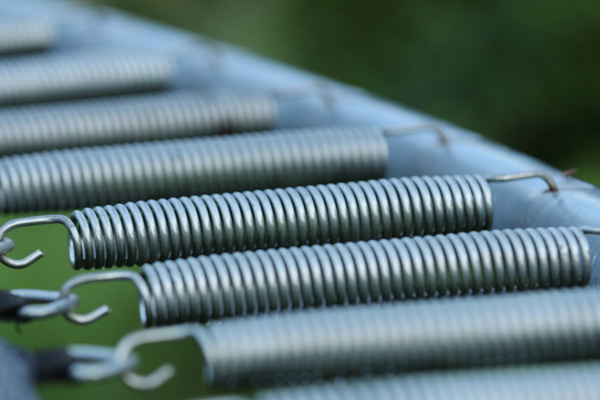
We know that within the elastic limit, the elongation (or contraction) of the spring is proportional to the external force.
2024-05-22
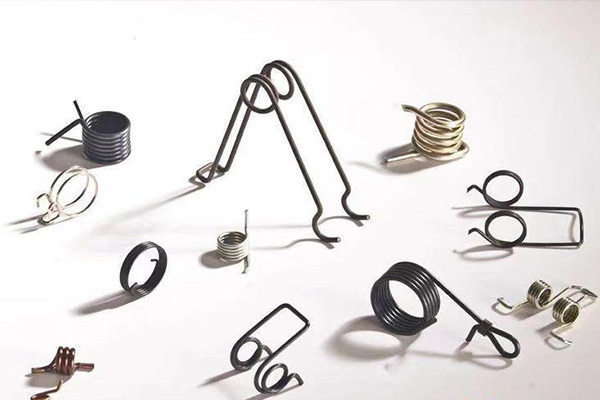
The current pattern of the spring industry
For the spring industry, for a long time, there has been an oversupply of low-grade ordinary springs.
2024-05-22
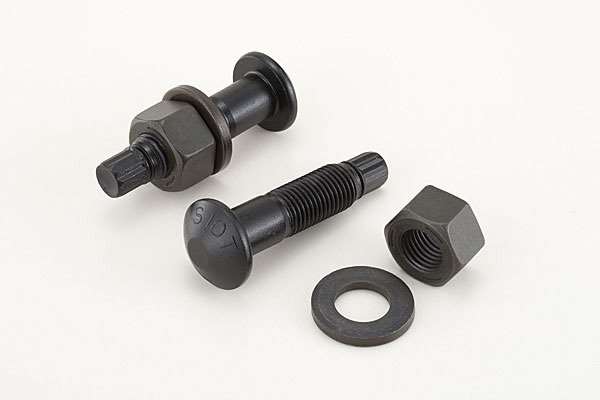
What material is generally used for high-strength bolts?
The upper limit of the tensile strength of the material used in high-strength bolts has a lot to do with the quenching treatment.
2024-05-22


Service E-mail
Service TEL
Address
Handan City, Hebei Province, China
To inquire about our products, please leave your email to us and we will contact you within 24 hours.
