



Understanding Stainless Steel Expansion in Industrial Applications
2026-10-04
Stainless steel expansion is a critical consideration in the engineering and manufacturing sectors, particularly when dealing with fasteners and connectors. Expansion refers to the increase in size of materials when subjected to temperature fluctuations. This phenomenon is particularly relevant for stainless steel, a commonly used material in industrial applications due to its strength, durability
Stainless steel expansion is a critical consideration in the engineering and manufacturing sectors, particularly when dealing with fasteners and connectors. Expansion refers to the increase in size of materials when subjected to temperature fluctuations. This phenomenon is particularly relevant for stainless steel, a commonly used material in industrial applications due to its strength, durability, and resistance to corrosion.
In practical applications, stainless steel expansion can impact the integrity and performance of fasteners and connectors. When temperatures rise, stainless steel components may expand; conversely, they will contract as temperatures drop. This cyclical movement can lead to potential issues such as loosening of fasteners, misalignment of components, and, in some cases, structural failure if not properly managed.
One important factor to consider is the coefficient of thermal expansion (CTE) of stainless steel. The CTE measures how much a material expands per unit length with a change in temperature. For stainless steel, this value is typically around 16 to 18 x 10^-6 /°C. Understanding the CTE is essential for engineers and designers when determining the appropriate dimensions and tolerances for components that will experience temperature variations.
Furthermore, the choice of fasteners and connectors should account for the expansion properties of stainless steel. In applications where temperature fluctuations are expected, it may be necessary to use specialized fasteners that allow for movement without compromising joint integrity. For example, using oversized holes or slots can accommodate the expansion and contraction of the materials, ensuring that the assembly remains secure over its operational lifetime.
Additionally, proper installation techniques can mitigate the effects of stainless steel expansion. Using locking mechanisms, such as lock washers or lock nuts, can help maintain tension and prevent loosening due to thermal cycling. It is also advisable to regularly inspect connections in high-temperature environments to identify any early signs of fatigue or failure.
In conclusion, understanding stainless steel expansion is vital for professionals in the industrial equipment and component sector, particularly when dealing with fasteners and connectors. By acknowledging the effects of temperature changes and incorporating appropriate design and installation practices, one can enhance the performance and longevity of these critical components. It is essential to stay informed about the properties of materials used and to adopt a proactive approach to ensure safety and reliability in all applications.
In practical applications, stainless steel expansion can impact the integrity and performance of fasteners and connectors. When temperatures rise, stainless steel components may expand; conversely, they will contract as temperatures drop. This cyclical movement can lead to potential issues such as loosening of fasteners, misalignment of components, and, in some cases, structural failure if not properly managed.
One important factor to consider is the coefficient of thermal expansion (CTE) of stainless steel. The CTE measures how much a material expands per unit length with a change in temperature. For stainless steel, this value is typically around 16 to 18 x 10^-6 /°C. Understanding the CTE is essential for engineers and designers when determining the appropriate dimensions and tolerances for components that will experience temperature variations.
Furthermore, the choice of fasteners and connectors should account for the expansion properties of stainless steel. In applications where temperature fluctuations are expected, it may be necessary to use specialized fasteners that allow for movement without compromising joint integrity. For example, using oversized holes or slots can accommodate the expansion and contraction of the materials, ensuring that the assembly remains secure over its operational lifetime.
Additionally, proper installation techniques can mitigate the effects of stainless steel expansion. Using locking mechanisms, such as lock washers or lock nuts, can help maintain tension and prevent loosening due to thermal cycling. It is also advisable to regularly inspect connections in high-temperature environments to identify any early signs of fatigue or failure.
In conclusion, understanding stainless steel expansion is vital for professionals in the industrial equipment and component sector, particularly when dealing with fasteners and connectors. By acknowledging the effects of temperature changes and incorporating appropriate design and installation practices, one can enhance the performance and longevity of these critical components. It is essential to stay informed about the properties of materials used and to adopt a proactive approach to ensure safety and reliability in all applications.
Key words:
RELATED INFORMATION
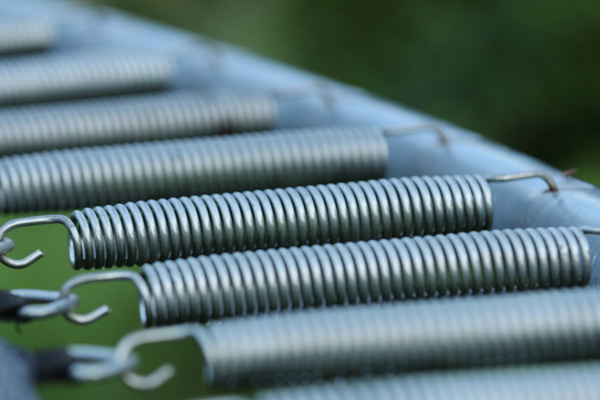
We know that within the elastic limit, the elongation (or contraction) of the spring is proportional to the external force.
2024-05-22
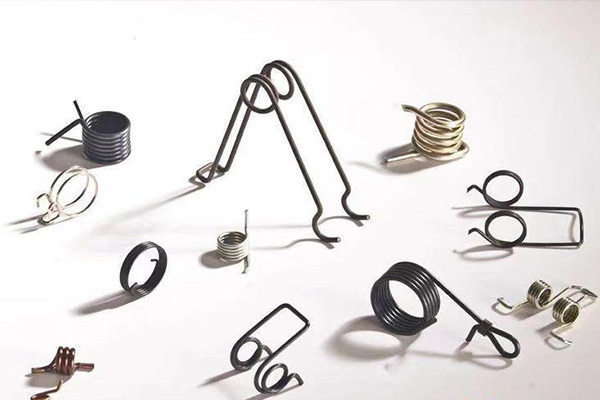
The current pattern of the spring industry
For the spring industry, for a long time, there has been an oversupply of low-grade ordinary springs.
2024-05-22
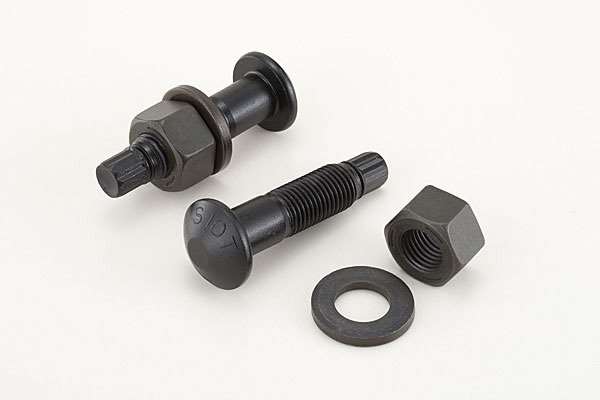
What material is generally used for high-strength bolts?
The upper limit of the tensile strength of the material used in high-strength bolts has a lot to do with the quenching treatment.
2024-05-22


Service E-mail
Service TEL
Address
Handan City, Hebei Province, China
To inquire about our products, please leave your email to us and we will contact you within 24 hours.
