



Understanding Stainless Steel Expansion: Key Considerations for Industrial Fasteners
2026-07-12
Stainless steel is renowned for its strength, corrosion resistance, and durability, making it a preferred material for fasteners in various industries. However, one critical property that engineers and designers must consider is the thermal expansion of stainless steel. As temperatures fluctuate, stainless steel can expand and contract, affecting the integrity of the connections it forms.
When dis
Stainless steel is renowned for its strength, corrosion resistance, and durability, making it a preferred material for fasteners in various industries. However, one critical property that engineers and designers must consider is the thermal expansion of stainless steel. As temperatures fluctuate, stainless steel can expand and contract, affecting the integrity of the connections it forms.
When discussing stainless steel expansion, it’s essential to recognize that the material's coefficient of thermal expansion plays a pivotal role. This coefficient measures how much a material expands per degree of temperature change. For stainless steel, this value typically ranges from 16 to 18 x 10^-6 per degree Celsius. Understanding this value is crucial for calculating the necessary tolerances in assembly and ensuring that connections remain secure under varying thermal conditions.
Another significant factor to consider is the application environment. In high-temperature settings, such as those found in manufacturing plants or power generation facilities, the expansion characteristics of stainless steel can lead to gaps or misalignments in fastening systems if not properly accounted for. Engineers often need to design for expansion by incorporating features such as expansion joints or using fasteners that allow for slight movement without compromising structural integrity.
Additionally, the selection of the appropriate type of stainless steel can influence expansion behavior. Different alloys exhibit varying coefficients of thermal expansion, and some may perform better than others in specific environments. For instance, austenitic stainless steels, which contain higher nickel content, generally have better expansion characteristics compared to ferritic or martensitic grades. Therefore, choosing the right alloy is essential for optimal performance.
Moreover, during the installation of stainless steel fasteners, it is advisable to avoid over-tightening, which can lead to stress concentrations and potential failure points. Providing adequate clearance for expansion can significantly enhance the longevity of the connection. Utilizing washers or spacers can help mitigate the effects of thermal expansion and ensure a more reliable connection.
In conclusion, understanding stainless steel expansion is vital for professionals in the industrial equipment and fasteners sector. By taking into account the coefficient of thermal expansion, the application environment, and the type of stainless steel used, engineers can design more effective and reliable fastening systems. This knowledge not only enhances the durability of connections but also ensures safety and efficiency in various industrial applications.
When discussing stainless steel expansion, it’s essential to recognize that the material's coefficient of thermal expansion plays a pivotal role. This coefficient measures how much a material expands per degree of temperature change. For stainless steel, this value typically ranges from 16 to 18 x 10^-6 per degree Celsius. Understanding this value is crucial for calculating the necessary tolerances in assembly and ensuring that connections remain secure under varying thermal conditions.
Another significant factor to consider is the application environment. In high-temperature settings, such as those found in manufacturing plants or power generation facilities, the expansion characteristics of stainless steel can lead to gaps or misalignments in fastening systems if not properly accounted for. Engineers often need to design for expansion by incorporating features such as expansion joints or using fasteners that allow for slight movement without compromising structural integrity.
Additionally, the selection of the appropriate type of stainless steel can influence expansion behavior. Different alloys exhibit varying coefficients of thermal expansion, and some may perform better than others in specific environments. For instance, austenitic stainless steels, which contain higher nickel content, generally have better expansion characteristics compared to ferritic or martensitic grades. Therefore, choosing the right alloy is essential for optimal performance.
Moreover, during the installation of stainless steel fasteners, it is advisable to avoid over-tightening, which can lead to stress concentrations and potential failure points. Providing adequate clearance for expansion can significantly enhance the longevity of the connection. Utilizing washers or spacers can help mitigate the effects of thermal expansion and ensure a more reliable connection.
In conclusion, understanding stainless steel expansion is vital for professionals in the industrial equipment and fasteners sector. By taking into account the coefficient of thermal expansion, the application environment, and the type of stainless steel used, engineers can design more effective and reliable fastening systems. This knowledge not only enhances the durability of connections but also ensures safety and efficiency in various industrial applications.
Key words:
RELATED INFORMATION
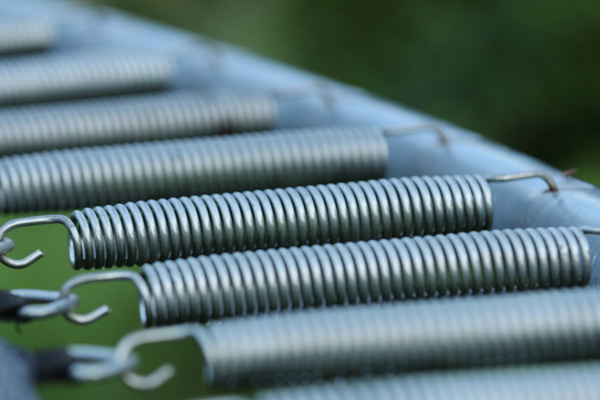
We know that within the elastic limit, the elongation (or contraction) of the spring is proportional to the external force.
2024-05-22
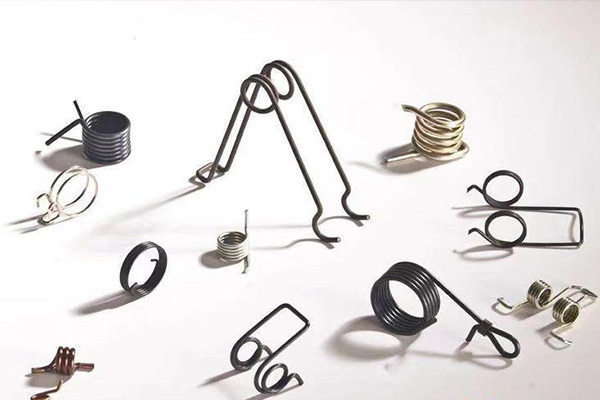
The current pattern of the spring industry
For the spring industry, for a long time, there has been an oversupply of low-grade ordinary springs.
2024-05-22
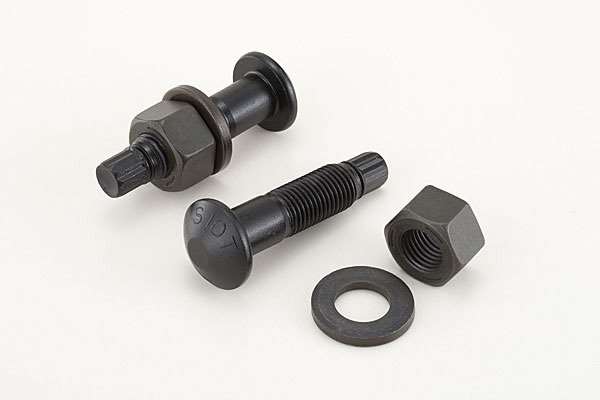
What material is generally used for high-strength bolts?
The upper limit of the tensile strength of the material used in high-strength bolts has a lot to do with the quenching treatment.
2024-05-22


Service E-mail
Service TEL
Address
Handan City, Hebei Province, China
To inquire about our products, please leave your email to us and we will contact you within 24 hours.
