



Stainless Steel Pins: The Cornerstone of Modular Design
2026-07-05
Stainless Steel Pins: The Cornerstone of Modular Design
Table of Contents
1. Introduction to Stainless Steel Pins
2. Importance of Stainless Steel Pins in Modular Design
2.1 Strength and Durability
2.2 Corrosion Resistance
3. Applications of Stainless Steel Pins
3.1 Industrial Applications
3.2 Automotive Applic
Stainless Steel Pins: The Cornerstone of Modular Design
Table of Contents
- 1. Introduction to Stainless Steel Pins
- 2. Importance of Stainless Steel Pins in Modular Design
- 3. Applications of Stainless Steel Pins
- 4. Key Design Considerations
- 5. Installation Techniques for Stainless Steel Pins
- 6. Maintenance and Care for Stainless Steel Pins
- 7. Conclusion
- 8. Frequently Asked Questions
1. Introduction to Stainless Steel Pins
Stainless steel pins serve as a fundamental component in modular design, enabling the assembly of various structural elements while providing strength, stability, and flexibility. These pins are widely used across industries due to their unique properties, making them an essential choice for engineers and designers alike. In this article, we will delve into the significance of stainless steel pins, their diverse applications, and the critical design considerations to keep in mind when integrating these fasteners into modular systems.
2. Importance of Stainless Steel Pins in Modular Design
Stainless steel pins play a crucial role in the efficacy of modular design. Their importance can be encapsulated in two primary attributes: strength and durability, and corrosion resistance.
2.1 Strength and Durability
One of the primary reasons for the widespread use of stainless steel pins in modular design is their exceptional strength and durability. Unlike many other materials, stainless steel pins can withstand significant loads and vibrations without deforming or breaking. This characteristic is vital in modular assemblies, where stability is paramount.
Moreover, the inherent toughness of stainless steel ensures that these pins maintain their structural integrity over time, reducing the need for frequent replacements and repairs. This longevity contributes not only to cost-effectiveness but also to the overall efficiency of modular systems.
2.2 Corrosion Resistance
Corrosion can severely impact the performance and lifespan of fastening solutions. Stainless steel is renowned for its corrosion resistance, thanks to the presence of chromium, which forms a protective oxide layer on the surface. This feature makes stainless steel pins particularly suitable for environments exposed to moisture, chemicals, and extreme temperatures.
In modular design, where components may be subjected to varying environmental conditions, the corrosion resistance of stainless steel pins ensures that they remain functional and reliable throughout their service life.
3. Applications of Stainless Steel Pins
The versatility of stainless steel pins allows for their use across various industries. Here, we explore some of the key applications where stainless steel pins are indispensable.
3.1 Industrial Applications
In industrial settings, stainless steel pins are utilized in machinery, equipment assembly, and structural frameworks. Their ability to endure heavy loads and resist wear makes them ideal for applications such as conveyor systems, heavy machinery, and construction equipment.
3.2 Automotive Applications
The automotive industry employs stainless steel pins in various components, including suspension systems, engine mounts, and body panels. Given the rigorous demands of automotive applications, these pins provide the necessary strength and durability to ensure vehicle safety and performance.
3.3 Aerospace Applications
In the aerospace sector, where weight and reliability are critical, stainless steel pins are essential for securing components in aircraft and spacecraft. Their lightweight nature combined with high strength-to-weight ratios makes them a preferred choice for fastening solutions in aerospace engineering.
4. Key Design Considerations
When integrating stainless steel pins into modular designs, several key considerations must be taken into account to ensure optimal performance and safety.
4.1 Types of Stainless Steel Pins
There are several types of stainless steel pins available, each designed for specific applications. Common varieties include:
- **Straight Pins:** Used for simple applications where alignment is straightforward.
- **Spring Pins:** Designed to provide flexibility and accommodate various load conditions.
- **Taper Pins:** Ideal for securing components at an angle, offering enhanced stability.
Selecting the appropriate pin type is crucial for achieving desired performance outcomes.
4.2 Size and Fit
The size and fit of stainless steel pins are critical to their effectiveness in modular designs. Proper sizing ensures that pins can withstand operational stresses without failing. Engineers must consider factors such as the diameter, length, and tolerances of the pins to ensure a secure fit within the assembly.
5. Installation Techniques for Stainless Steel Pins
Correct installation techniques are essential for maximizing the performance and longevity of stainless steel pins. Here are some best practices:
- **Alignment:** Ensure that components are properly aligned before inserting the pins. Misalignment can lead to increased wear and premature failure.
- **Force Application:** Use the appropriate tools and methods for inserting pins, such as hammers or presses, to avoid damage during installation.
- **Lubrication:** In some cases, applying a lubricant may facilitate smoother installation and reduce friction.
Following these guidelines will result in a more robust and reliable modular assembly.
6. Maintenance and Care for Stainless Steel Pins
To maximize the lifespan of stainless steel pins, regular maintenance and care are imperative. Here are some essential practices:
- **Inspection:** Regularly inspect pins for signs of wear, deformation, or corrosion.
- **Cleaning:** Keep pins clean and free from debris that could affect performance. Use appropriate cleaning agents that do not damage the stainless steel finish.
- **Replacement:** Replace any pins that show significant wear or damage to maintain the integrity of the modular system.
By implementing these maintenance practices, users can ensure the longevity and reliability of stainless steel pins in modular designs.
7. Conclusion
In conclusion, stainless steel pins are vital components in modular design, delivering unparalleled strength, durability, and corrosion resistance. Their diverse applications across industries—from industrial machinery to aerospace engineering—underscore their importance in creating reliable and efficient structures.
By understanding the key design considerations, installation techniques, and maintenance practices, engineers and designers can effectively leverage stainless steel pins in their modular systems, ensuring optimal performance and longevity. As we continue to innovate and push the boundaries of modular design, the role of these essential fasteners will remain central to our success.
8. Frequently Asked Questions
What are stainless steel pins made of?
Stainless steel pins are made from stainless steel alloys that typically contain chromium, nickel, and molybdenum, enhancing their strength and corrosion resistance.
How do I choose the right stainless steel pin for my application?
Selecting the appropriate stainless steel pin involves considering factors such as load capacity, environmental conditions, and the specific requirements of your assembly.
Can stainless steel pins be reused?
While stainless steel pins can often be reused, it is essential to inspect them for signs of wear or damage before reinstallation.
What maintenance is required for stainless steel pins?
Regular inspection, cleaning, and replacement of worn or damaged pins are critical for maintaining their performance and longevity.
Are there different grades of stainless steel pins?
Yes, stainless steel pins come in various grades, such as 304 and 316, each offering different levels of corrosion resistance and mechanical properties suitable for specific applications.
Key words:
RELATED INFORMATION
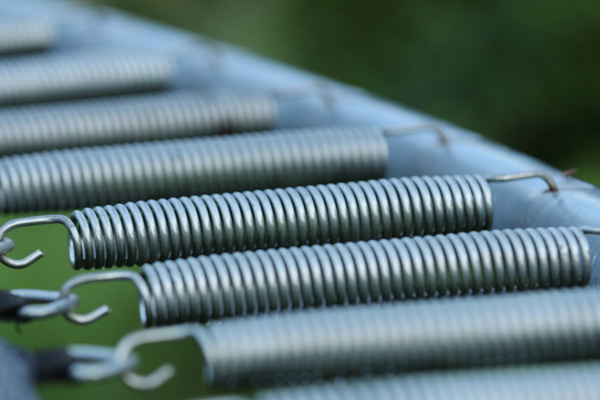
We know that within the elastic limit, the elongation (or contraction) of the spring is proportional to the external force.
2024-05-22
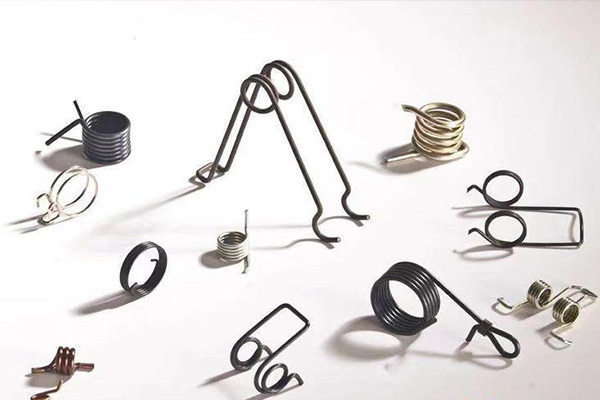
The current pattern of the spring industry
For the spring industry, for a long time, there has been an oversupply of low-grade ordinary springs.
2024-05-22
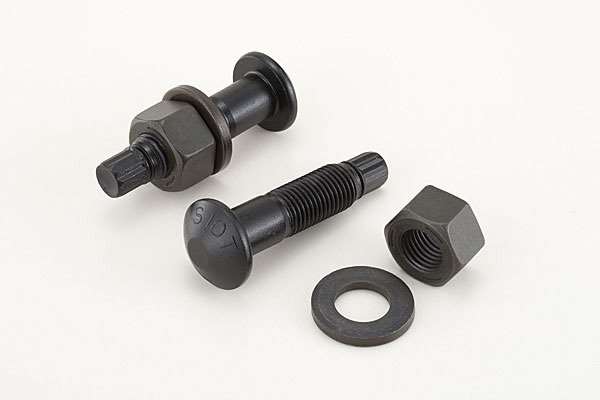
What material is generally used for high-strength bolts?
The upper limit of the tensile strength of the material used in high-strength bolts has a lot to do with the quenching treatment.
2024-05-22


Service E-mail
Service TEL
Address
Handan City, Hebei Province, China
To inquire about our products, please leave your email to us and we will contact you within 24 hours.
