



Redefining Standards for Embedded Parts in Industrial Applications
2026-02-09
Redefining Standards for Embedded Parts in Industrial Applications
Table of Contents
Introduction to Embedded Parts in Industrial Applications
The Importance of High-Quality Embedded Parts
Current Trends in Embedded Parts Technology
Innovations in Materials for Embedded Parts
Design Considerations for Embedded Parts
Manufacturing Processes for Embedded Components
Quali
Redefining Standards for Embedded Parts in Industrial Applications
Table of Contents
- Introduction to Embedded Parts in Industrial Applications
- The Importance of High-Quality Embedded Parts
- Current Trends in Embedded Parts Technology
- Innovations in Materials for Embedded Parts
- Design Considerations for Embedded Parts
- Manufacturing Processes for Embedded Components
- Quality Standards and Compliance in Embedded Parts
- The Future Outlook for Embedded Parts in Industrial Applications
- Frequently Asked Questions
- Conclusion
Introduction to Embedded Parts in Industrial Applications
Embedded parts play a critical role in the functionality and reliability of various industrial applications. These components, often hidden within the machinery or systems, provide the essential framework and support necessary for optimal performance. As industries evolve, the standards for these embedded parts are being redefined, focusing on enhanced efficiency, safety, and sustainability. In this article, we will explore the transformative changes in embedded components, including their significance, the latest innovations, and future trends that are shaping the industry landscape.
The Importance of High-Quality Embedded Parts
High-quality embedded parts are paramount for ensuring the longevity and performance of industrial equipment. Poorly designed or manufactured components can lead to machinery failures, increased downtime, and substantial financial losses.
Enhancing Performance and Durability
Investing in superior embedded parts boosts the overall performance of equipment. Advanced materials and innovative engineering practices enhance durability, allowing machinery to operate under demanding conditions without compromising performance.
Safety and Compliance
Safety is another crucial facet of embedded parts. Adhering to stringent safety standards protects operators and prevents accidents. Therefore, manufacturers are increasingly focusing on compliance with international standards to ensure that their products meet safety regulations.
Current Trends in Embedded Parts Technology
The landscape of embedded parts is continuously evolving, driven by technological advancements and shifting market demands.
Integration of Smart Technology
One of the most significant trends is the integration of smart technology into embedded components. These smart parts utilize sensors and IoT capabilities to monitor performance in real-time, allowing for predictive maintenance and reducing downtime.
Sustainability and Eco-Friendly Practices
There is also a growing emphasis on sustainability. Many manufacturers are adopting eco-friendly materials and practices in the production of embedded parts, ensuring that their operations minimize environmental impact.
Innovations in Materials for Embedded Parts
Material selection plays a pivotal role in the performance of embedded parts. Recent innovations have led to the development of advanced materials that offer better strength, flexibility, and resistance to wear and corrosion.
High-Performance Alloys
High-performance alloys are gaining popularity due to their exceptional mechanical properties. These materials are ideal for applications that require high strength and resistance to extreme temperatures and corrosive environments.
Composite Materials
Composite materials are being utilized more frequently in embedded parts due to their lightweight and durable nature. They offer significant advantages in terms of reducing the overall weight of machinery while maintaining structural integrity.
Design Considerations for Embedded Parts
Designing embedded parts demands a comprehensive understanding of the application requirements and operating conditions.
Ergonomics and User Interaction
While embedded parts are typically not visible, the user experience can be significantly affected by their design. Ergonomic considerations are crucial, especially in machinery that operators interact with directly.
Modularity and Scalability
Designing for modularity and scalability ensures that parts can be easily replaced or upgraded. This approach increases the lifespan of equipment and allows for improvements without the need for complete overhauls.
Manufacturing Processes for Embedded Components
The manufacturing of embedded parts involves several complex processes that ensure their reliability and performance.
Precision Machining
Precision machining is crucial for creating high-quality embedded parts. Advanced CNC machines allow for intricate designs and tight tolerances, ensuring that each component meets rigorous specifications.
Injection Molding
Injection molding is commonly used for producing plastic embedded components. This process allows for efficient production with minimal waste, making it a cost-effective solution for high-volume manufacturing.
Quality Standards and Compliance in Embedded Parts
Quality assurance is vital in the production of embedded parts. Adhering to established quality standards ensures that components meet performance and safety criteria.
ISO Certifications
Many manufacturers pursue ISO certifications to demonstrate their commitment to quality. These certifications signify that the manufacturer adheres to internationally recognized quality management standards.
Regulatory Compliance
Compliance with industry regulations is essential, especially in sectors such as aerospace and automotive, where safety is paramount. Manufacturers must stay updated on relevant regulations to ensure their embedded parts are compliant.
The Future Outlook for Embedded Parts in Industrial Applications
As technology continues to advance, the future of embedded parts looks promising. We anticipate several key trends shaping the industry in the coming years.
Increased Automation and Robotics
With the rise of automation and robotics, the demand for innovative embedded parts will grow. These components will need to support complex functions and enhance the efficiency of automated systems.
Customization and 3D Printing
The ability to customize embedded parts through 3D printing technology is revolutionizing the industry. Manufacturers can now produce bespoke components that meet specific requirements, reducing lead times and costs.
Frequently Asked Questions
What are embedded parts in industrial applications?
Embedded parts are components integrated within machinery or systems, providing structural support and functionality essential for optimal performance.
Why are high-quality embedded parts important?
High-quality embedded parts enhance machinery performance, durability, and safety, reducing the likelihood of failures and operational downtime.
What are the latest trends in embedded parts technology?
Current trends include the integration of smart technology, increased focus on sustainability, and the adoption of advanced materials.
How do material innovations impact embedded parts?
Material innovations lead to improved strength, flexibility, and resistance to wear, enhancing the overall performance and longevity of embedded components.
What quality standards should manufacturers adhere to?
Manufacturers should comply with international standards, such as ISO certifications, to ensure their products meet safety and performance requirements.
Conclusion
The evolution of embedded parts in industrial applications is pivotal for enhancing operational efficiency and reliability. As industries continue to innovate, the standards for these components are being redefined to meet the demands of modern technology. By focusing on high-quality materials, advanced manufacturing processes, and adherence to stringent quality standards, manufacturers can ensure that their embedded parts not only meet but exceed industry expectations. The future of embedded components promises exciting developments that will continue to drive progress in industrial applications, making them more efficient, sustainable, and safe.
Key words:
RELATED INFORMATION
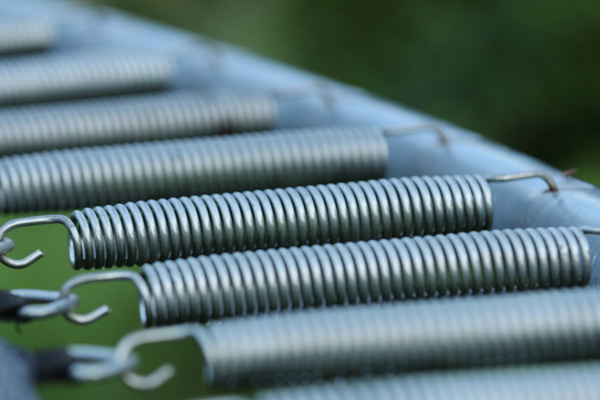
We know that within the elastic limit, the elongation (or contraction) of the spring is proportional to the external force.
2024-05-22
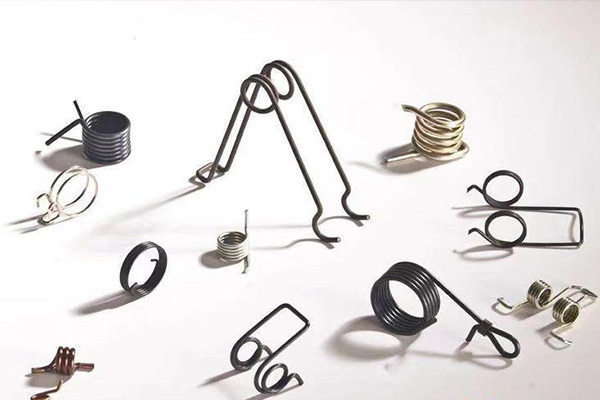
The current pattern of the spring industry
For the spring industry, for a long time, there has been an oversupply of low-grade ordinary springs.
2024-05-22
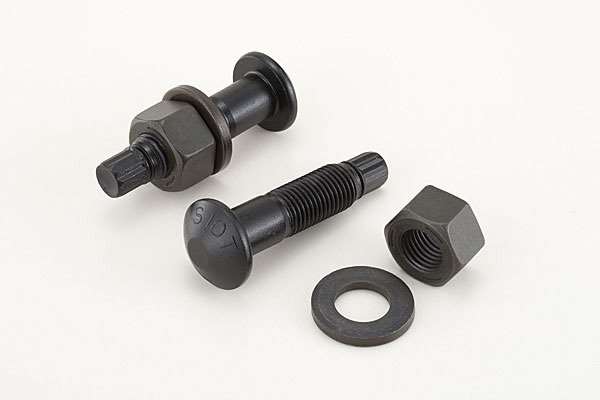
What material is generally used for high-strength bolts?
The upper limit of the tensile strength of the material used in high-strength bolts has a lot to do with the quenching treatment.
2024-05-22


Service E-mail
Service TEL
Address
Handan City, Hebei Province, China
To inquire about our products, please leave your email to us and we will contact you within 24 hours.
