



The Essential Guide to Welding Nails: Advantages and Applications in Industrial Fastening
2026-02-08
Welding nails, often referred to as weld pins or stud welding nails, play a significant role in various industrial applications, particularly in situations demanding strong and durable fastening solutions. These fasteners are commonly used in construction, manufacturing, and repair operations due to their efficient bonding capabilities.
One of the primary advantages of welding nails is their abili
Welding nails, often referred to as weld pins or stud welding nails, play a significant role in various industrial applications, particularly in situations demanding strong and durable fastening solutions. These fasteners are commonly used in construction, manufacturing, and repair operations due to their efficient bonding capabilities.
One of the primary advantages of welding nails is their ability to create a robust mechanical bond without the need for pre-drilling, which saves both time and labor costs. The welding process involves fusing the nail directly to the substrate, resulting in an exceptionally strong joint that can withstand significant loads. This characteristic makes welding nails particularly effective in applications where traditional fastening methods, such as screws or rivets, may fall short in durability.
Another essential benefit of welding nails is their versatility. They can be used with a variety of materials, including metals, plastics, and composites, making them suitable for a wide range of industries. Whether you are working on automotive assembly, HVAC installations, or even in shipbuilding, welding nails can provide reliable fastening solutions tailored to specific project requirements.
In addition to their strength and versatility, welding nails also offer advantages in terms of aesthetics and finish. Since the welding process doesn't leave behind any visible fasteners on the surface, it allows for a cleaner and more professional appearance in the final product. This is particularly important in applications where visual appeal is a priority, such as in furniture manufacturing or architectural design.
When considering the use of welding nails, it is crucial to understand the appropriate techniques and equipment required for effective application. Proper training in stud welding techniques ensures that operators can achieve optimal results and maintain consistent quality across their projects. Understanding the specific requirements of your materials and the environmental conditions can significantly influence the performance of welding nails.
In conclusion, welding nails represent a powerful fastening solution in the industrial equipment and components sector. Their combination of strength, versatility, and aesthetic appeal makes them an ideal choice for a variety of applications. By leveraging the benefits of welding nails, professionals can enhance the efficiency and durability of their projects, while also achieving a clean finish that meets industry standards.
One of the primary advantages of welding nails is their ability to create a robust mechanical bond without the need for pre-drilling, which saves both time and labor costs. The welding process involves fusing the nail directly to the substrate, resulting in an exceptionally strong joint that can withstand significant loads. This characteristic makes welding nails particularly effective in applications where traditional fastening methods, such as screws or rivets, may fall short in durability.
Another essential benefit of welding nails is their versatility. They can be used with a variety of materials, including metals, plastics, and composites, making them suitable for a wide range of industries. Whether you are working on automotive assembly, HVAC installations, or even in shipbuilding, welding nails can provide reliable fastening solutions tailored to specific project requirements.
In addition to their strength and versatility, welding nails also offer advantages in terms of aesthetics and finish. Since the welding process doesn't leave behind any visible fasteners on the surface, it allows for a cleaner and more professional appearance in the final product. This is particularly important in applications where visual appeal is a priority, such as in furniture manufacturing or architectural design.
When considering the use of welding nails, it is crucial to understand the appropriate techniques and equipment required for effective application. Proper training in stud welding techniques ensures that operators can achieve optimal results and maintain consistent quality across their projects. Understanding the specific requirements of your materials and the environmental conditions can significantly influence the performance of welding nails.
In conclusion, welding nails represent a powerful fastening solution in the industrial equipment and components sector. Their combination of strength, versatility, and aesthetic appeal makes them an ideal choice for a variety of applications. By leveraging the benefits of welding nails, professionals can enhance the efficiency and durability of their projects, while also achieving a clean finish that meets industry standards.
Key words:
RELATED INFORMATION
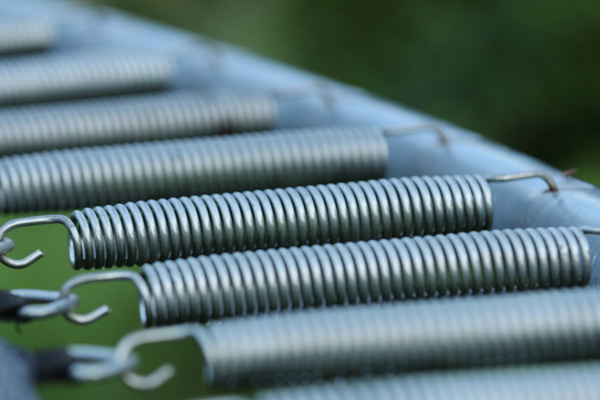
We know that within the elastic limit, the elongation (or contraction) of the spring is proportional to the external force.
2024-05-22
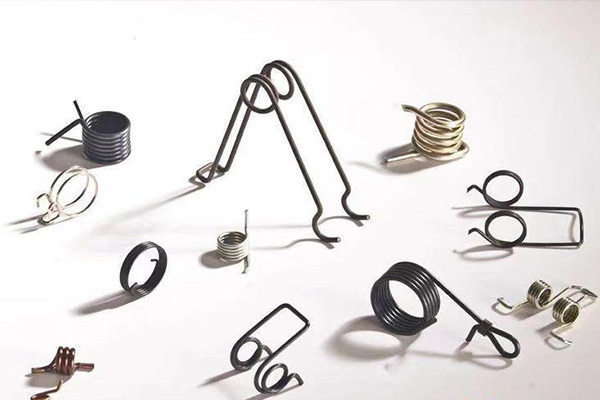
The current pattern of the spring industry
For the spring industry, for a long time, there has been an oversupply of low-grade ordinary springs.
2024-05-22
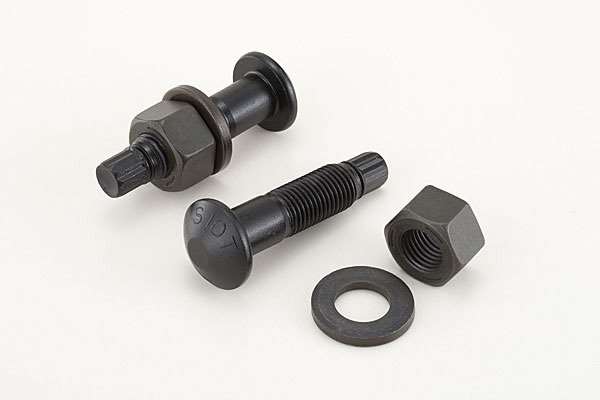
What material is generally used for high-strength bolts?
The upper limit of the tensile strength of the material used in high-strength bolts has a lot to do with the quenching treatment.
2024-05-22


Service E-mail
Service TEL
Address
Handan City, Hebei Province, China
To inquire about our products, please leave your email to us and we will contact you within 24 hours.
