



The Versatile Applications of Stainless Steel Drill Tail Wire in Industrial Fastening
2025-12-18
Stainless steel drill tail wire is a specialized fastening component that has gained popularity in various industrial applications due to its durability, corrosion resistance, and versatility. This type of wire is particularly beneficial in environments where moisture, chemicals, and temperature fluctuations are prevalent, making it an ideal choice for many industrial purposes.
One of the primary
Stainless steel drill tail wire is a specialized fastening component that has gained popularity in various industrial applications due to its durability, corrosion resistance, and versatility. This type of wire is particularly beneficial in environments where moisture, chemicals, and temperature fluctuations are prevalent, making it an ideal choice for many industrial purposes.
One of the primary advantages of stainless steel drill tail wire is its exceptional strength-to-weight ratio. This means that while it is lightweight, it can still endure significant loads without compromising its structural integrity. This property is especially crucial in applications where reducing weight is essential, such as in aerospace, automotive, and marine industries. The ability to maintain strength while minimizing weight can lead to improved fuel efficiency and overall performance in these sectors.
In addition to its strength, stainless steel drill tail wire exhibits remarkable resistance to corrosion and oxidation. Unlike other materials that may degrade over time when exposed to harsh environments, stainless steel maintains its integrity, ensuring long-lasting performance. This characteristic is particularly important in industries such as construction and manufacturing, where components are often exposed to moisture and various chemicals. The longevity of stainless steel drill tail wire can lead to lower maintenance costs and fewer replacements over time.
Another significant aspect of stainless steel drill tail wire is its ease of use. The design allows for straightforward installation, making it an efficient solution for various fastening needs. Industries that rely on precision and speed can benefit from the quick application of these wires, leading to increased productivity and reduced downtime. Moreover, the adaptability of drill tail wires means they can be used in a wide range of applications, from securing fixtures to reinforcing connections.
Furthermore, the aesthetic appeal of stainless steel cannot be overlooked. Its sleek, modern appearance makes it an attractive option for architectural and design applications, where both function and form are important. This versatility enables professionals in various fields to utilize stainless steel drill tail wire not only for its practical benefits but also for its visual contribution to projects.
In conclusion, stainless steel drill tail wire is an essential component in the industrial fastening and connecting elements market. With its superior strength, corrosion resistance, ease of use, and aesthetic appeal, it serves a multitude of purposes across various sectors. Professionals involved in industrial applications should consider the unique advantages of stainless steel drill tail wire to enhance their projects' performance and longevity.
One of the primary advantages of stainless steel drill tail wire is its exceptional strength-to-weight ratio. This means that while it is lightweight, it can still endure significant loads without compromising its structural integrity. This property is especially crucial in applications where reducing weight is essential, such as in aerospace, automotive, and marine industries. The ability to maintain strength while minimizing weight can lead to improved fuel efficiency and overall performance in these sectors.
In addition to its strength, stainless steel drill tail wire exhibits remarkable resistance to corrosion and oxidation. Unlike other materials that may degrade over time when exposed to harsh environments, stainless steel maintains its integrity, ensuring long-lasting performance. This characteristic is particularly important in industries such as construction and manufacturing, where components are often exposed to moisture and various chemicals. The longevity of stainless steel drill tail wire can lead to lower maintenance costs and fewer replacements over time.
Another significant aspect of stainless steel drill tail wire is its ease of use. The design allows for straightforward installation, making it an efficient solution for various fastening needs. Industries that rely on precision and speed can benefit from the quick application of these wires, leading to increased productivity and reduced downtime. Moreover, the adaptability of drill tail wires means they can be used in a wide range of applications, from securing fixtures to reinforcing connections.
Furthermore, the aesthetic appeal of stainless steel cannot be overlooked. Its sleek, modern appearance makes it an attractive option for architectural and design applications, where both function and form are important. This versatility enables professionals in various fields to utilize stainless steel drill tail wire not only for its practical benefits but also for its visual contribution to projects.
In conclusion, stainless steel drill tail wire is an essential component in the industrial fastening and connecting elements market. With its superior strength, corrosion resistance, ease of use, and aesthetic appeal, it serves a multitude of purposes across various sectors. Professionals involved in industrial applications should consider the unique advantages of stainless steel drill tail wire to enhance their projects' performance and longevity.
Key words:
RELATED INFORMATION
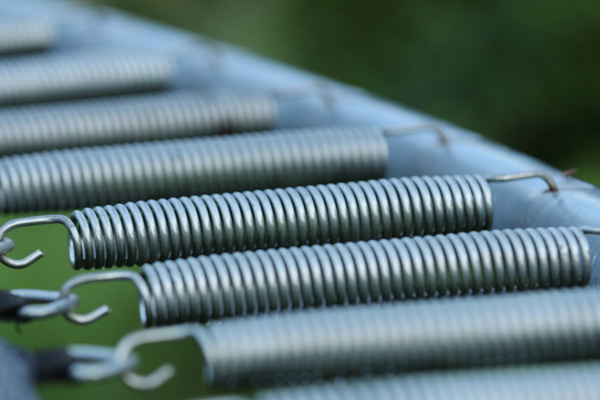
We know that within the elastic limit, the elongation (or contraction) of the spring is proportional to the external force.
2024-05-22
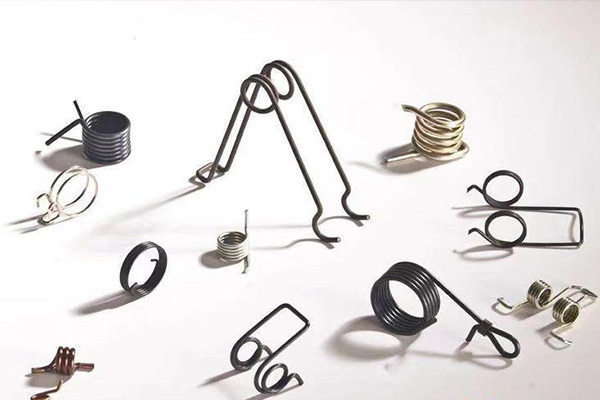
The current pattern of the spring industry
For the spring industry, for a long time, there has been an oversupply of low-grade ordinary springs.
2024-05-22
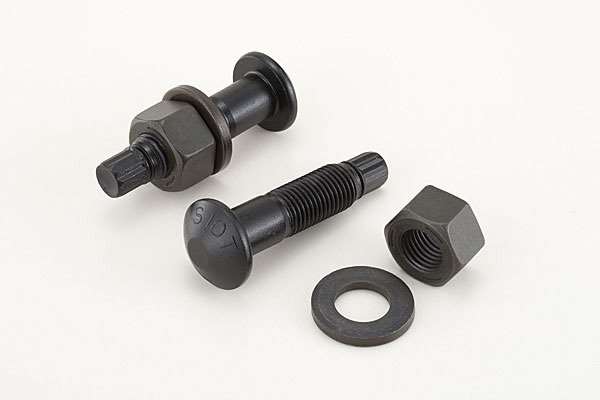
What material is generally used for high-strength bolts?
The upper limit of the tensile strength of the material used in high-strength bolts has a lot to do with the quenching treatment.
2024-05-22


Service E-mail
Service TEL
Address
Handan City, Hebei Province, China
To inquire about our products, please leave your email to us and we will contact you within 24 hours.
