



Best Materials for Embedded Parts: A Comprehensive Guide for Manufacturers
2025-12-17
Best Materials for Embedded Parts: A Comprehensive Guide for Manufacturers
Table of Contents
1. Introduction to Embedded Parts
2. Importance of Material Selection for Embedded Parts
3. Common Materials Used for Embedded Parts
3.1 Metals
3.2 Plastics
3.3 Composites
4. Key Properties to Consider
4.1 Mechanica
Best Materials for Embedded Parts: A Comprehensive Guide for Manufacturers
Table of Contents
- 1. Introduction to Embedded Parts
- 2. Importance of Material Selection for Embedded Parts
- 3. Common Materials Used for Embedded Parts
- 4. Key Properties to Consider
- 5. Applications of Embedded Parts
- 6. Case Studies: Successful Material Selection
- 7. Future Trends in Embedded Part Materials
- 8. Conclusion
- 9. Frequently Asked Questions (FAQs)
1. Introduction to Embedded Parts
Embedded parts play a crucial role in the integrity and functionality of various industrial products. These components, which are integrated into larger systems, require careful consideration regarding the materials used in their fabrication. Material selection is not merely a matter of preference; it directly influences performance, durability, and overall product quality.
As manufacturers strive to enhance reliability and efficiency, understanding the best materials for embedded parts becomes essential. This comprehensive guide aims to provide manufacturers with the insights necessary to make informed decisions about material selection for embedded components.
2. Importance of Material Selection for Embedded Parts
Choosing the right materials for embedded parts is vital for several reasons:
1. **Performance**: The material affects how well the part will perform in its intended application. High-performance materials can withstand extreme conditions, ensuring longevity and reliability.
2. **Cost Efficiency**: Selecting appropriate materials can lead to significant cost savings. Utilizing high-quality materials may reduce the need for frequent replacements and repairs.
3. **Compliance**: Certain industries have strict regulations regarding material usage. Understanding these requirements helps manufacturers avoid legal issues.
4. **Sustainability**: In today’s eco-conscious market, choosing sustainable materials can enhance a brand's reputation and appeal to environmentally-minded consumers.
5. **Innovation**: The right material can enable new design possibilities, allowing manufacturers to innovate and stay competitive in a rapidly evolving market.
3. Common Materials Used for Embedded Parts
When considering materials for embedded parts, several options stand out due to their unique properties and suitability for various applications.
3.1 Metals
Metals are widely used for embedded parts due to their strength, durability, and excellent conductivity. Common metals include:
- **Steel**: Known for its high tensile strength, steel is often used in structural applications.
- **Aluminum**: Lightweight and resistant to corrosion, aluminum is ideal for applications where weight reduction is critical.
- **Copper**: With excellent electrical conductivity, copper is commonly used in electronic components.
3.2 Plastics
Plastics offer versatility and can be engineered to meet specific performance criteria. Popular plastics for embedded parts include:
- **Polypropylene (PP)**: Known for its chemical resistance, PP is commonly used in automotive and packaging applications.
- **Polycarbonate**: This material is known for its impact resistance and clarity, making it ideal for optical applications.
- **Acrylic**: Often used for transparent components, acrylic provides excellent clarity and UV resistance.
3.3 Composites
Composites combine the desirable properties of different materials, resulting in superior performance characteristics. Notable composites include:
- **Fiber-Reinforced Plastics**: These materials are lightweight yet strong, making them suitable for aerospace applications.
- **Metal Matrix Composites**: These incorporate metal with reinforcing fibers, offering enhanced strength and thermal stability.
4. Key Properties to Consider
When selecting materials for embedded parts, it is crucial to evaluate specific properties that will affect performance and longevity.
4.1 Mechanical Properties
Mechanical properties, such as tensile strength, hardness, and flexibility, are fundamental to determining how a material will respond under various loads and stresses. A thorough understanding of these properties helps manufacturers select materials that can withstand operational demands.
4.2 Thermal Properties
Thermal properties, including thermal conductivity and heat resistance, are critical in applications exposed to temperature fluctuations. Materials must be able to maintain performance and structural integrity under thermal stress.
4.3 Chemical Resistance
Embedded parts often encounter various chemicals, making resistance to corrosion and degradation vital. Selecting materials with high chemical resistance can extend the life of components and reduce maintenance costs.
4.4 Electrical Properties
For embedded parts used in electrical applications, properties such as conductivity, resistivity, and dielectric strength are essential. Choosing materials with the right electrical properties ensures optimal performance and safety in electronic devices.
5. Applications of Embedded Parts
Embedded parts find applications across diverse industries, including:
- **Automotive**: Used in engines, braking systems, and body structures to enhance performance and safety.
- **Aerospace**: Essential in aircraft components, where weight and strength are critical.
- **Electronics**: Found in circuit boards and connectors, where reliability is paramount.
- **Medical Devices**: Used in implants and diagnostic equipment, requiring biocompatibility and precision.
6. Case Studies: Successful Material Selection
Examining real-world scenarios provides valuable insights into effective material selection. Consider the following case studies:
1. **Automotive Component Design**: A leading automotive manufacturer replaced steel parts with lightweight aluminum alloys, resulting in a 30% weight reduction without sacrificing strength. This change improved fuel efficiency and overall vehicle performance.
2. **Aerospace Applications**: An aerospace company used carbon fiber composites to create stronger and lighter wing structures. This material choice led to better fuel efficiency and reduced emissions.
3. **Medical Device Innovation**: A medical device manufacturer developed a new implant using a biocompatible plastic, significantly reducing patient recovery time due to its superior integration with human tissue.
7. Future Trends in Embedded Part Materials
As technology evolves, so do the materials used for embedded parts. Future trends include:
- **Smart Materials**: Materials that can respond to environmental changes (temperature, pressure) will play an increasing role in advanced manufacturing.
- **Recyclable Materials**: The push for sustainability will drive the development of materials that are not only durable but also recyclable, reducing waste.
- **Nanomaterials**: Incorporating nanotechnology can enhance the properties of materials, improving strength, conductivity, and other essential characteristics.
8. Conclusion
Selecting the best materials for embedded parts is critical for manufacturers seeking to enhance product performance, ensure compliance, and drive innovation. By understanding the various materials available, their properties, and their applications, manufacturers can make informed decisions that lead to superior products.
As we move forward, the focus on sustainable and advanced materials will continue to shape the landscape of embedded components in the industrial sector. Manufacturers who stay ahead of these trends will not only enhance their competitiveness but also contribute positively to the environment and society.
9. Frequently Asked Questions (FAQs)
What factors should I consider when selecting materials for embedded parts?
When selecting materials, consider mechanical properties, thermal stability, chemical resistance, electrical properties, and compliance with industry standards.
Are metals always the best choice for embedded parts?
Not necessarily. While metals offer strength, plastics and composites can provide advantages like lighter weight and resistance to corrosion, depending on the application.
How do I know if a material is suitable for high-temperature applications?
Look for materials specifically rated for high-temperature use, such as certain ceramics or high-performance plastics, and verify their thermal properties.
Can I use recycled materials for embedded parts?
Yes, many recycled materials are engineered to meet industry standards and can be used effectively in embedded applications, supporting sustainability efforts.
What are the emerging trends in materials for embedded parts?
Emerging trends include smart materials, recyclable materials, and advancements in nanotechnology, which enhance performance and sustainability.
By focusing on these advanced materials and understanding their applications, manufacturers can make decisions that not only benefit their products but also align with future industry trends.
Key words:
RELATED INFORMATION
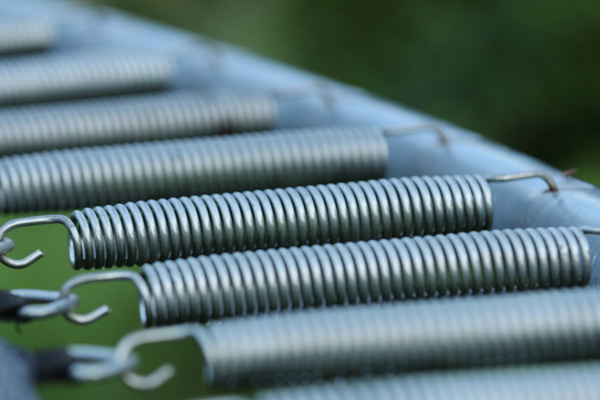
We know that within the elastic limit, the elongation (or contraction) of the spring is proportional to the external force.
2024-05-22
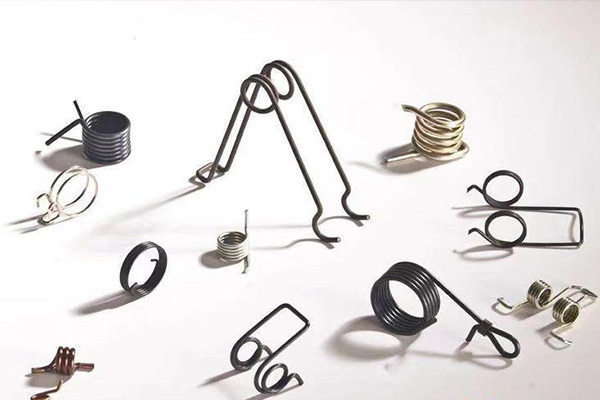
The current pattern of the spring industry
For the spring industry, for a long time, there has been an oversupply of low-grade ordinary springs.
2024-05-22
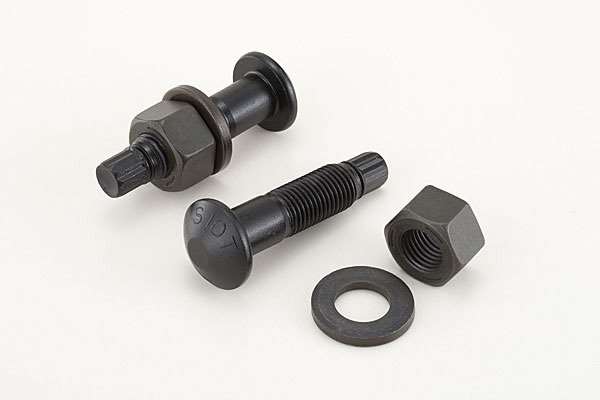
What material is generally used for high-strength bolts?
The upper limit of the tensile strength of the material used in high-strength bolts has a lot to do with the quenching treatment.
2024-05-22


Service E-mail
Service TEL
Address
Handan City, Hebei Province, China
To inquire about our products, please leave your email to us and we will contact you within 24 hours.
