



The Essential Guide to Welding Nails: A Key Component in Industrial Fastening
2025-12-04
Welding nails are specialized fasteners designed to provide secure connections in various industrial applications. Unlike traditional nails, welding nails are engineered to be attached through a welding process, which allows them to achieve a high level of strength and durability. This makes them particularly useful in environments where conventional fastening methods may not suffice, such as in h
Welding nails are specialized fasteners designed to provide secure connections in various industrial applications. Unlike traditional nails, welding nails are engineered to be attached through a welding process, which allows them to achieve a high level of strength and durability. This makes them particularly useful in environments where conventional fastening methods may not suffice, such as in heavy machinery, structural assemblies, and automotive components.
One of the primary advantages of welding nails is their ability to create a permanent bond between two metal surfaces. This is accomplished through a process known as arc welding, where the welding nail is melted and fused to the base materials, resulting in a joint that can withstand significant stress and strain. The weld created using welding nails often exhibits superior tensile strength compared to standard mechanical fasteners, providing added reliability in demanding applications.
In addition to strength, welding nails also offer a streamlined installation process. When used in conjunction with automated welding systems, these nails can be applied quickly and efficiently, reducing labor costs and minimizing the risk of human error. The speed of installation makes welding nails an attractive option for high-volume production scenarios, where time and precision are of the essence.
From a material perspective, welding nails are typically made from high-strength steel or other alloy materials, which are selected based on the specific application requirements. Factors such as corrosion resistance, thermal stability, and compatibility with the base materials should be considered when selecting the right welding nail. Additionally, the diameter and length of the welding nails can vary to accommodate different thicknesses of materials being joined.
Another crucial consideration is the welding technique employed. Proper technique not only ensures a strong bond but also prevents defects such as porosity or incomplete fusion, which can compromise the integrity of the weld. Professionals should be well-versed in the best practices for using welding nails, including the correct heat settings, welding speed, and electrode selection.
In conclusion, welding nails play a vital role in the industrial fastening landscape. Their unique properties provide strength, permanence, and efficiency, making them an essential choice for various applications. Understanding the technical aspects of welding nails, including material selection and welding techniques, is crucial for professionals aiming to achieve optimal results in their fastening projects. By leveraging the advantages of welding nails, industries can ensure robust connections that enhance the performance and longevity of their products.
One of the primary advantages of welding nails is their ability to create a permanent bond between two metal surfaces. This is accomplished through a process known as arc welding, where the welding nail is melted and fused to the base materials, resulting in a joint that can withstand significant stress and strain. The weld created using welding nails often exhibits superior tensile strength compared to standard mechanical fasteners, providing added reliability in demanding applications.
In addition to strength, welding nails also offer a streamlined installation process. When used in conjunction with automated welding systems, these nails can be applied quickly and efficiently, reducing labor costs and minimizing the risk of human error. The speed of installation makes welding nails an attractive option for high-volume production scenarios, where time and precision are of the essence.
From a material perspective, welding nails are typically made from high-strength steel or other alloy materials, which are selected based on the specific application requirements. Factors such as corrosion resistance, thermal stability, and compatibility with the base materials should be considered when selecting the right welding nail. Additionally, the diameter and length of the welding nails can vary to accommodate different thicknesses of materials being joined.
Another crucial consideration is the welding technique employed. Proper technique not only ensures a strong bond but also prevents defects such as porosity or incomplete fusion, which can compromise the integrity of the weld. Professionals should be well-versed in the best practices for using welding nails, including the correct heat settings, welding speed, and electrode selection.
In conclusion, welding nails play a vital role in the industrial fastening landscape. Their unique properties provide strength, permanence, and efficiency, making them an essential choice for various applications. Understanding the technical aspects of welding nails, including material selection and welding techniques, is crucial for professionals aiming to achieve optimal results in their fastening projects. By leveraging the advantages of welding nails, industries can ensure robust connections that enhance the performance and longevity of their products.
Key words:
RELATED INFORMATION
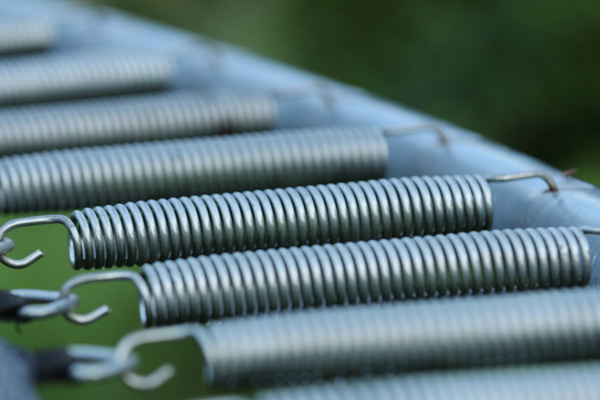
We know that within the elastic limit, the elongation (or contraction) of the spring is proportional to the external force.
2024-05-22
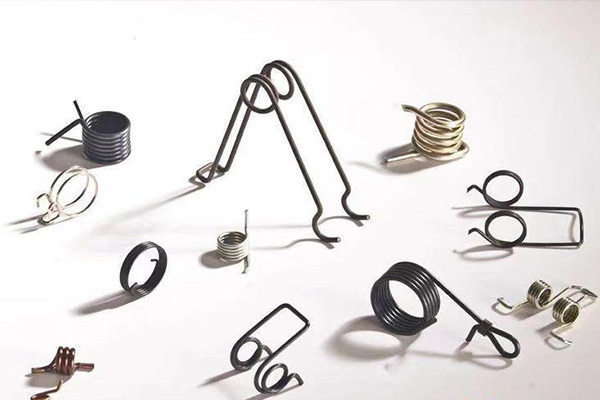
The current pattern of the spring industry
For the spring industry, for a long time, there has been an oversupply of low-grade ordinary springs.
2024-05-22
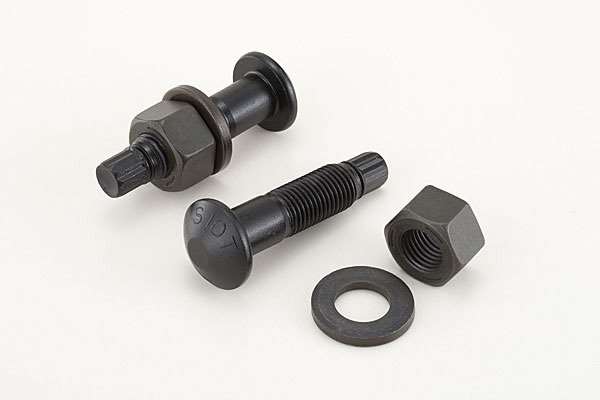
What material is generally used for high-strength bolts?
The upper limit of the tensile strength of the material used in high-strength bolts has a lot to do with the quenching treatment.
2024-05-22


Service E-mail
Service TEL
Address
Handan City, Hebei Province, China
To inquire about our products, please leave your email to us and we will contact you within 24 hours.
