



What You Should Know About the Strength of Stainless Steel Nuts
2025-12-03
Understanding the Strength of Stainless Steel Nuts
Stainless steel nuts are a critical component in various industrial applications, providing secure fastening solutions due to their exceptional strength and durability. This article delves deep into the factors that contribute to the strength of stainless steel nuts, their types, and best practices for selecting the right ones for your projects.
Understanding the Strength of Stainless Steel Nuts
Stainless steel nuts are a critical component in various industrial applications, providing secure fastening solutions due to their exceptional strength and durability. This article delves deep into the factors that contribute to the strength of stainless steel nuts, their types, and best practices for selecting the right ones for your projects.
Table of Contents
1. Introduction to Stainless Steel Nuts
2. The Mechanics of Strength in Stainless Steel Nuts
2.1 What Determines Strength?
2.2 Tensile Strength vs. Yield Strength
3. Types of Stainless Steel Nuts
3.1 Standard Hex Nuts
3.2 Lock Nuts
3.3 Flanged Nuts
3.4 Specialty Nuts
4. Stainless Steel Grades and Their Strength
4.1 Overview of Common Grades
4.2 Comparing A2 and A4 Stainless Steel
5. Applications of Stainless Steel Nuts
5.1 Marine and Coastal Applications
5.2 Construction and Structural Engineering
5.3 Automotive Industry
6. Best Practices for Selecting Stainless Steel Nuts
7. Maintenance and Care for Stainless Steel Nuts
8. Frequently Asked Questions
9. Conclusion
1. Introduction to Stainless Steel Nuts
In the realm of industrial fastening, stainless steel nuts stand out due to their impressive strength and resistance to corrosion. They are widely used in various sectors, including construction, automotive, and marine applications. Understanding the strength of these nuts is crucial for ensuring the integrity and longevity of structures and machinery.
2. The Mechanics of Strength in Stainless Steel Nuts
The strength of stainless steel nuts is not a singular measure but rather a combination of several factors.
2.1 What Determines Strength?
Key factors that influence the strength of stainless steel nuts include material composition, manufacturing processes, and design specifications. Each of these elements plays a vital role in how a nut performs under stress.
2.2 Tensile Strength vs. Yield Strength
Tensile strength refers to the maximum amount of tensile (pulling) stress that a material can withstand before failure. Yield strength, on the other hand, is the amount of stress at which a material begins to deform plastically. For stainless steel nuts, both tensile and yield strength are critical measures of performance.
3. Types of Stainless Steel Nuts
Different types of stainless steel nuts are designed for specific applications, and understanding their characteristics can help in making the right choice.
3.1 Standard Hex Nuts
These are the most common types of nuts used across various applications. They provide excellent strength and are available in different grades and finishes.
3.2 Lock Nuts
Lock nuts feature a deformed thread that prevents loosening under vibration, making them ideal for automotive and machinery applications.
3.3 Flanged Nuts
Flanged nuts distribute the load over a larger area, reducing the risk of damage to the surface being fastened. They are often used in applications where a strong grip is necessary.
3.4 Specialty Nuts
Specialty nuts are custom-designed for specific applications, providing unique benefits. Examples include T-nuts and wing nuts, each serving specialized functions in various industries.
4. Stainless Steel Grades and Their Strength
The strength of stainless steel nuts can vary significantly based on the material grade. Understanding these grades is essential for appropriate application.
4.1 Overview of Common Grades
Common grades include A2 (304) and A4 (316) stainless steel. A2 offers good corrosion resistance and tensile strength, suitable for most applications, while A4 provides better resistance to chlorides and is preferred in marine environments.
4.2 Comparing A2 and A4 Stainless Steel
While both A2 and A4 grades are strong, A4 is specifically engineered for harsher environments. If your application requires superior resistance to corrosion and extreme conditions, A4 is the better choice.
5. Applications of Stainless Steel Nuts
Stainless steel nuts are utilized in various industries due to their strength and durability.
5.1 Marine and Coastal Applications
In marine environments, stainless steel nuts resist saltwater corrosion, making them suitable for applications in ships and offshore structures.
5.2 Construction and Structural Engineering
The construction industry relies heavily on stainless steel nuts for securing structural components, where their strength ensures safety and stability.
5.3 Automotive Industry
In automotive applications, stainless steel nuts provide reliable fastening solutions that can withstand vibrations and high-stress conditions.
6. Best Practices for Selecting Stainless Steel Nuts
Choosing the right stainless steel nut involves considering several factors, including load requirements, environmental conditions, and compatibility with other materials.
7. Maintenance and Care for Stainless Steel Nuts
To ensure longevity, regular maintenance is essential. Inspect nuts for signs of wear or corrosion and clean them appropriately to remove debris and contaminants.
8. Frequently Asked Questions
1. What is the tensile strength of stainless steel nuts?
The tensile strength can vary based on the grade, with A2 generally around 500 MPa and A4 ranging higher, depending on the specific manufacturing process.
2. Are stainless steel nuts resistant to corrosion?
Yes, stainless steel nuts are highly resistant to corrosion, particularly those made from higher grades like A4.
3. How do I know which grade to choose for my application?
Consider the environmental factors and load requirements of your application. For harsher environments, opt for A4 stainless steel.
4. Can stainless steel nuts be reused?
While they can be reused, it's essential to inspect them for any signs of wear or deformation before reinstallation.
5. What is the difference between a lock nut and a standard nut?
Lock nuts are designed to resist loosening under vibration, while standard nuts do not have this feature, making them less reliable in high-vibration environments.
9. Conclusion
In conclusion, understanding the strength of stainless steel nuts is crucial for making informed decisions in various industrial applications. By considering the types, grades, and best practices outlined in this guide, you can choose the right stainless steel nuts for your needs. Whether in marine, construction, or automotive applications, selecting high-quality stainless steel nuts ensures safety, durability, and reliability in your projects.
Key words:
RELATED INFORMATION
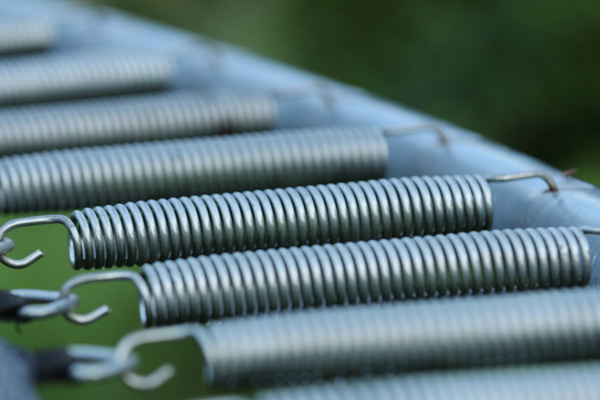
We know that within the elastic limit, the elongation (or contraction) of the spring is proportional to the external force.
2024-05-22
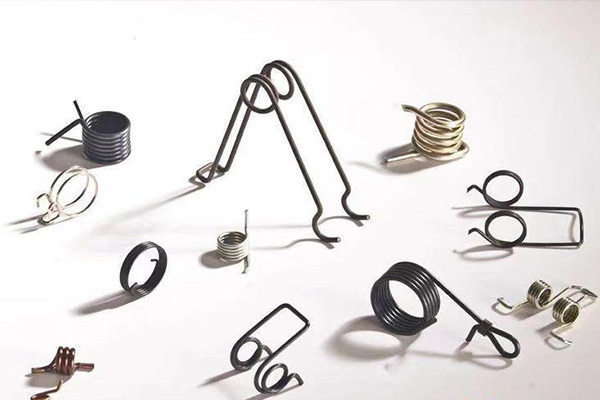
The current pattern of the spring industry
For the spring industry, for a long time, there has been an oversupply of low-grade ordinary springs.
2024-05-22
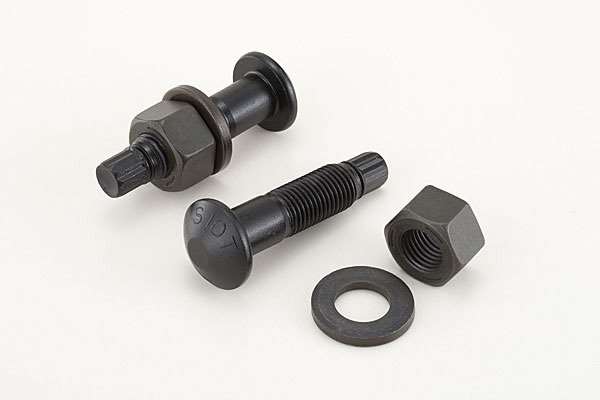
What material is generally used for high-strength bolts?
The upper limit of the tensile strength of the material used in high-strength bolts has a lot to do with the quenching treatment.
2024-05-22


Service E-mail
Service TEL
Address
Handan City, Hebei Province, China
To inquire about our products, please leave your email to us and we will contact you within 24 hours.
