



The Essential Guide to Welding Nails: Techniques and Applications
2025-11-28
Welding nails are specialized fasteners designed for joining materials through the process of welding. Unlike traditional nails, which are typically driven into materials, welding nails create a strong and permanent bond by melting and fusing the base materials together. This method is particularly useful in scenarios where high tensile strength and durability are required.
One of the primary adva
Welding nails are specialized fasteners designed for joining materials through the process of welding. Unlike traditional nails, which are typically driven into materials, welding nails create a strong and permanent bond by melting and fusing the base materials together. This method is particularly useful in scenarios where high tensile strength and durability are required.
One of the primary advantages of using welding nails is their ability to provide a seamless finish. When welding nails are used, there are no protruding heads, which may be an aesthetic requirement in certain applications. Additionally, the absence of any visible fasteners can enhance the structural integrity of the joint, making it less susceptible to corrosion and environmental damage.
In terms of materials, welding nails are often made from high-strength steel, stainless steel, or other alloys that can withstand high temperatures and provide excellent performance under stress. Choosing the right material is crucial, as it directly impacts the effectiveness of the welding process and the longevity of the joined components.
The welding process for these nails can be accomplished using various techniques, including spot welding, arc welding, and projection welding. Spot welding is typically used for thin materials, where two pieces are joined by applying heat and pressure at specific points. Arc welding, on the other hand, generates significant heat through an electric arc, melting the materials and allowing for a strong bond. Projection welding is often employed when connecting multiple spots simultaneously, making it an efficient choice for mass production.
When it comes to applications, welding nails are commonly used in the automotive, construction, and manufacturing industries. In automotive applications, they are often employed to attach components to the vehicle frame or body, ensuring a robust and lightweight assembly. In construction, welding nails provide a secure solution for joining steel structures, offering better load-bearing capabilities than traditional fasteners. Additionally, in manufacturing, they can be utilized for various assembly processes, improving efficiency and reducing assembly time.
Safety is paramount when using welding nails, and appropriate protective equipment should always be worn. Operators should also be trained in the correct welding techniques to prevent injury and ensure the best outcomes. Moreover, regular maintenance of welding equipment is essential to maintain efficiency and avoid defects in the welding process.
In conclusion, welding nails are a vital component in the world of industrial fastening. Their unique properties and the advantages they offer make them an excellent choice for various applications. Understanding the different techniques and materials involved in using welding nails can significantly enhance the performance of your projects, ensuring they meet the demands of modern industry.
One of the primary advantages of using welding nails is their ability to provide a seamless finish. When welding nails are used, there are no protruding heads, which may be an aesthetic requirement in certain applications. Additionally, the absence of any visible fasteners can enhance the structural integrity of the joint, making it less susceptible to corrosion and environmental damage.
In terms of materials, welding nails are often made from high-strength steel, stainless steel, or other alloys that can withstand high temperatures and provide excellent performance under stress. Choosing the right material is crucial, as it directly impacts the effectiveness of the welding process and the longevity of the joined components.
The welding process for these nails can be accomplished using various techniques, including spot welding, arc welding, and projection welding. Spot welding is typically used for thin materials, where two pieces are joined by applying heat and pressure at specific points. Arc welding, on the other hand, generates significant heat through an electric arc, melting the materials and allowing for a strong bond. Projection welding is often employed when connecting multiple spots simultaneously, making it an efficient choice for mass production.
When it comes to applications, welding nails are commonly used in the automotive, construction, and manufacturing industries. In automotive applications, they are often employed to attach components to the vehicle frame or body, ensuring a robust and lightweight assembly. In construction, welding nails provide a secure solution for joining steel structures, offering better load-bearing capabilities than traditional fasteners. Additionally, in manufacturing, they can be utilized for various assembly processes, improving efficiency and reducing assembly time.
Safety is paramount when using welding nails, and appropriate protective equipment should always be worn. Operators should also be trained in the correct welding techniques to prevent injury and ensure the best outcomes. Moreover, regular maintenance of welding equipment is essential to maintain efficiency and avoid defects in the welding process.
In conclusion, welding nails are a vital component in the world of industrial fastening. Their unique properties and the advantages they offer make them an excellent choice for various applications. Understanding the different techniques and materials involved in using welding nails can significantly enhance the performance of your projects, ensuring they meet the demands of modern industry.
Key words:
RELATED INFORMATION
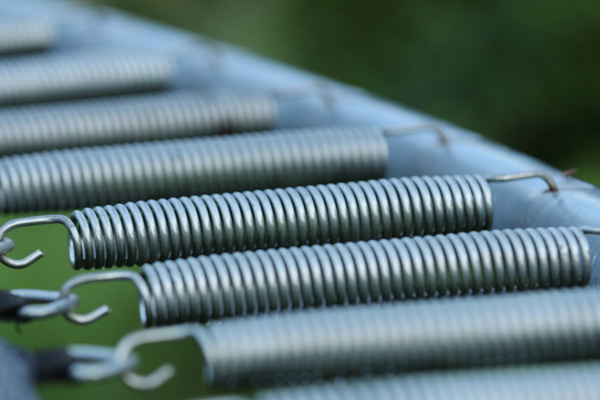
We know that within the elastic limit, the elongation (or contraction) of the spring is proportional to the external force.
2024-05-22
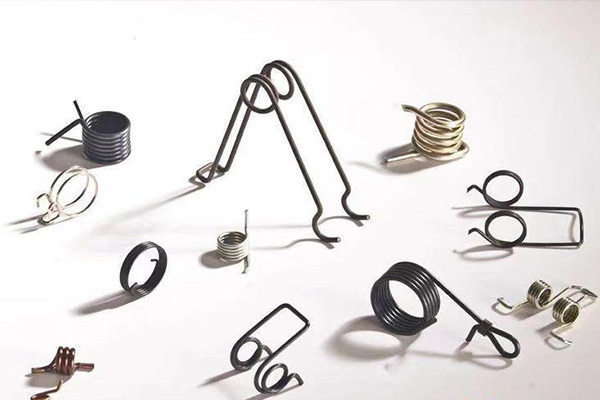
The current pattern of the spring industry
For the spring industry, for a long time, there has been an oversupply of low-grade ordinary springs.
2024-05-22
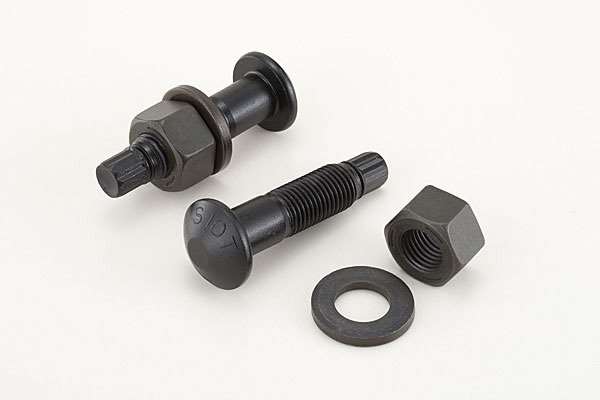
What material is generally used for high-strength bolts?
The upper limit of the tensile strength of the material used in high-strength bolts has a lot to do with the quenching treatment.
2024-05-22


Service E-mail
Service TEL
Address
Handan City, Hebei Province, China
To inquire about our products, please leave your email to us and we will contact you within 24 hours.
