



Stainless Steel Nuts and Their Impact on Safety Standards: Ensuring Reliability and Performance
2025-11-27
Stainless Steel Nuts and Their Impact on Safety Standards
Table of Contents
Introduction
Understanding Stainless Steel Nuts
Benefits of Stainless Steel Nuts
Types of Stainless Steel Nuts
Applications of Stainless Steel Nuts
Impact on Safety Standards
Selection Criteria for Stainless Steel Nuts
Maintaining Safety with Stainless Steel Nuts
Conclusion
FAQs
In
Stainless Steel Nuts and Their Impact on Safety Standards
Table of Contents
- Introduction
- Understanding Stainless Steel Nuts
- Benefits of Stainless Steel Nuts
- Types of Stainless Steel Nuts
- Applications of Stainless Steel Nuts
- Impact on Safety Standards
- Selection Criteria for Stainless Steel Nuts
- Maintaining Safety with Stainless Steel Nuts
- Conclusion
- FAQs
Introduction
In the industrial landscape, the importance of quality fasteners cannot be overstated. Among various types of fasteners, **stainless steel nuts** play a vital role in ensuring safety and reliability in a multitude of applications. Their unique properties make them a preferred choice in environments that demand high strength and corrosion resistance. In this article, we will explore the multifaceted impact of stainless steel nuts on safety standards, discussing their benefits, types, applications, and more.
Understanding Stainless Steel Nuts
**Stainless steel nuts** are fasteners that are used to secure bolts in place. They are designed to fit over the threaded end of a bolt, creating a secure joint. The primary materials used in manufacturing stainless steel nuts are a variety of stainless steel alloys, notably **304** and **316** grades. These materials are known for their resistance to corrosion, strength, and durability, which are essential in demanding environments.
**The composition of stainless steel** includes a minimum of 10.5% chromium, which forms a protective oxide layer on the surface. This layer helps to prevent rust and degradation, making stainless steel nuts ideal for outdoor and marine applications.
Benefits of Stainless Steel Nuts
Stainless steel nuts offer a variety of benefits that significantly contribute to safety and reliability standards in industrial applications:
1. Corrosion Resistance
Corrosion is one of the leading causes of equipment failure. **Stainless steel nuts**, particularly those made from **316-grade** stainless steel, provide excellent resistance to corrosion, making them suitable for environments exposed to moisture, chemicals, and other corrosive elements.
2. High Strength
The inherent strength of stainless steel nuts ensures that they can withstand high levels of pressure and stress. This high tensile strength is critical in applications where safety is paramount, such as in construction and heavy machinery.
3. Temperature Resistance
Stainless steel nuts retain their mechanical properties at elevated temperatures, making them suitable for use in high-temperature environments. This characteristic is vital in industries like aerospace and automotive, where components are exposed to extreme conditions.
4. Aesthetic Appeal
Stainless steel has a polished finish that adds aesthetic value to products. This is particularly important in applications where appearance matters, such as in architectural fixtures and high-end consumer products.
5. Low Maintenance
Due to their robust properties, stainless steel nuts require minimal maintenance, which translates to cost savings over time. Their durability means fewer replacements and less downtime in production processes.
Types of Stainless Steel Nuts
Understanding the different types of stainless steel nuts is crucial for making informed decisions:
1. Standard Hex Nuts
These are the most common type of nuts used in various applications. They have six sides and can be tightened with a wrench.
2. Lock Nuts
Lock nuts are designed to prevent loosening due to vibration. They feature a nylon insert or are serrated, providing additional grip.
3. Wing Nuts
Wing nuts are easily adjustable by hand, making them ideal for applications requiring frequent adjustments or quick assembly.
4. Flanged Nuts
These nuts have a wider base, distributing the load more evenly and preventing damage to the mating surface.
5. Cap Nuts
Cap nuts feature a closed end, which protects the threads of the bolt and enhances safety by preventing accidental contact with the threads.
Applications of Stainless Steel Nuts
Stainless steel nuts find their applications in various industries due to their versatile properties:
1. Aerospace
In the aerospace industry, safety is paramount. Stainless steel nuts are used in aircraft assemblies where reliability and strength are critical.
2. Construction
Construction sites often expose materials to harsh conditions. Using stainless steel nuts ensures that structural integrity is maintained over time.
3. Marine
With exposure to saltwater, stainless steel nuts are essential in marine applications to prevent corrosion and ensure safety.
4. Automotive
In automotive manufacturing, stainless steel nuts are used extensively, particularly in engine components where high temperatures and vibrations are common.
5. Food Processing
The food industry requires materials that comply with hygiene standards. Stainless steel nuts are non-reactive, making them suitable for food processing equipment.
Impact on Safety Standards
The use of stainless steel nuts directly influences safety standards across various sectors. By ensuring that connections remain secure over time, these fasteners help prevent accidents and equipment failures, which can have catastrophic consequences.
1. Reduced Risk of Equipment Failure
Stainless steel nuts contribute to the overall reliability of equipment. Their resistance to corrosion and wear leads to fewer breakdowns, which enhances workplace safety.
2. Compliance with Regulatory Standards
Many industries are governed by strict safety regulations. Utilizing stainless steel nuts ensures compliance with these standards, minimizing legal and financial risks.
3. Enhanced Structural Integrity
In construction and engineering, the integrity of structures is paramount. Stainless steel nuts bolster the strength and stability of joints, preventing structural failures.
Selection Criteria for Stainless Steel Nuts
Choosing the right stainless steel nuts for specific applications involves considering several factors:
1. Environmental Conditions
Assessing the environment where the nuts will be used is crucial. For corrosive environments, **316-grade stainless steel** is often recommended.
2. Load Requirements
Understanding the load and stress that the fasteners will endure is essential. This helps in selecting the appropriate type and size of nuts.
3. Joint Design
The design of the joint and the materials being joined can influence the choice of nuts. Compatibility is key to ensuring a secure connection.
4. Surface Finish
The finish of the nuts can also affect their performance. For example, a polished finish may be necessary for aesthetic applications, while a rough finish might provide better grip in industrial settings.
5. Regulatory Compliance
Ensure that the selected nuts meet industry-specific standards and regulations to guarantee safety and reliability.
Maintaining Safety with Stainless Steel Nuts
To maximize the benefits of stainless steel nuts, proper maintenance is essential:
1. Regular Inspections
Conducting routine inspections helps identify signs of wear or corrosion early, preventing potential failures.
2. Correct Installation
Ensuring that nuts are installed correctly is vital. Over-tightening can lead to thread stripping, while under-tightening can result in loosening.
3. Proper Storage
Storing stainless steel nuts in a dry, clean environment prevents premature corrosion and maintains their performance.
4. Use of Lubricants
In certain applications, using lubricants can help reduce friction during installation, ensuring that nuts achieve the required torque without damage.
5. Training Personnel
Educating employees on the proper handling and installation of stainless steel nuts can enhance overall safety in the workplace.
Conclusion
Stainless steel nuts are indispensable components that significantly impact safety standards across various industries. Their superior corrosion resistance, strength, and versatility make them essential for reliable performance in demanding environments. By understanding their benefits, applications, and proper maintenance, industries can enhance safety, comply with regulations, and ultimately protect lives and investments.
FAQs
1. What are the main advantages of using stainless steel nuts?
Stainless steel nuts offer corrosion resistance, high strength, temperature resilience, low maintenance, and aesthetic appeal, making them suitable for various applications.
2. How do I choose the right type of stainless steel nut?
Consider factors such as environmental conditions, load requirements, joint design, surface finish, and regulatory compliance when selecting stainless steel nuts.
3. Are stainless steel nuts suitable for marine applications?
Yes, stainless steel nuts, particularly those made from **316-grade** stainless steel, are ideal for marine applications due to their excellent corrosion resistance.
4. How can I maintain stainless steel nuts to ensure safety?
Regular inspections, correct installation, proper storage, use of lubricants, and training personnel are crucial for maintaining the safety and reliability of stainless steel nuts.
5. What is the difference between standard hex nuts and lock nuts?
Standard hex nuts are used primarily for securing bolts, while lock nuts are designed to prevent loosening due to vibration, enhancing the security of the connection.
Key words:
RELATED INFORMATION
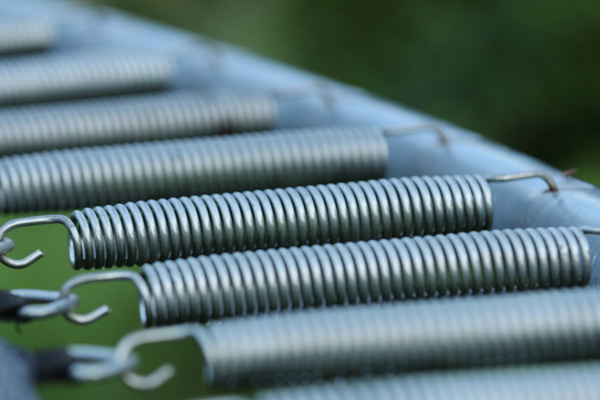
We know that within the elastic limit, the elongation (or contraction) of the spring is proportional to the external force.
2024-05-22
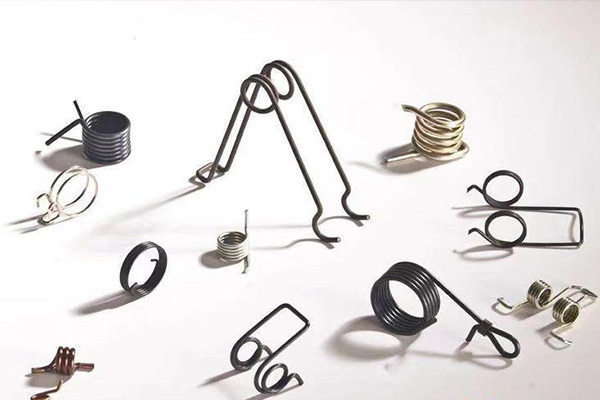
The current pattern of the spring industry
For the spring industry, for a long time, there has been an oversupply of low-grade ordinary springs.
2024-05-22
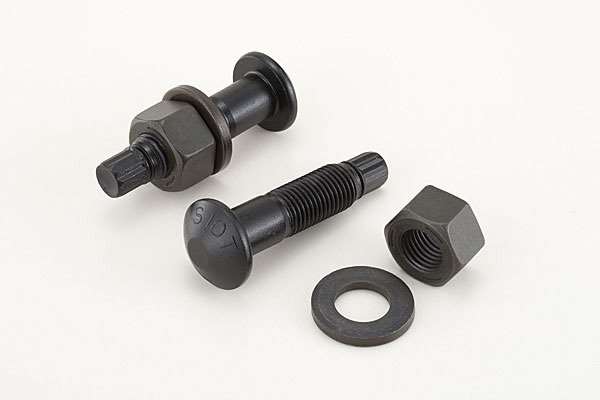
What material is generally used for high-strength bolts?
The upper limit of the tensile strength of the material used in high-strength bolts has a lot to do with the quenching treatment.
2024-05-22


Service E-mail
Service TEL
Address
Handan City, Hebei Province, China
To inquire about our products, please leave your email to us and we will contact you within 24 hours.
