



The Crucial Link Between Embedded Parts and Equipment Safety Standards
2025-11-23
The Crucial Link Between Embedded Parts and Equipment Safety Standards
Introduction to Embedded Parts in Industrial Equipment
In modern industrial operations, **embedded parts** play a vital role in the functionality and safety of equipment. These components are integrated within machinery, serving as the backbone for various operations. Their **design, quality, and compliance with safety standard
The Crucial Link Between Embedded Parts and Equipment Safety Standards
Introduction to Embedded Parts in Industrial Equipment
In modern industrial operations, **embedded parts** play a vital role in the functionality and safety of equipment. These components are integrated within machinery, serving as the backbone for various operations. Their **design, quality, and compliance with safety standards** can dramatically influence the overall performance and safety of the equipment they inhabit.
Understanding Equipment Safety Standards
Equipment safety standards are guidelines and regulations designed to ensure the safety and efficiency of industrial machinery. These standards are established by various regulatory bodies and industry organizations to prevent accidents, reduce risks, and promote safe working environments.
Types of Equipment Safety Standards
Safety standards can be categorized into several main types:
1. **International Standards**: Such as those set by the International Organization for Standardization (ISO) that apply globally.
2. **National Standards**: These are specific to a country, such as ANSI in the United States.
3. **Industry-Specific Standards**: Tailored to particular industries, for instance, the standards set for construction equipment or manufacturing machinery.
The Role of Embedded Parts in Safety Compliance
Embedded parts are crucial in meeting safety compliance because they directly affect the operational capabilities of the equipment. Their performance can influence overall machine safety, reliability, and efficiency.
Key Embedded Components and Their Functions
Some common embedded parts include:
- **Fasteners**: Essential for securing components together, ensuring structural integrity.
- **Sensors**: Integrated to monitor performance and detect potential failures.
- **Wiring and Connectors**: Facilitate communication between different parts of machinery, impacting control systems.
- **Control Modules**: Embedded systems that manage operations and safety features.
Connection Between Fasteners and Equipment Standards
Fasteners, though often overlooked, are vital for adhering to safety standards. Their ability to withstand stress and fatigue determines the longevity and reliability of the equipment. Poorly designed or low-quality fasteners can lead to catastrophic failures.
The Impact of Material Quality on Safety Standards
The materials used for embedded parts significantly influence their effectiveness and durability. High-quality materials enhance the performance of these components, ensuring they meet the required safety standards.
Material Selection for Embedded Components
Choosing the right materials involves considering factors such as:
- **Corrosion Resistance**: Essential for parts exposed to harsh environments.
- **Strength and Durability**: Critical for load-bearing components.
- **Thermal Properties**: Important for components exposed to high temperatures.
Compliance with Material Standards
Ensuring compliance with material standards is essential for embedded parts. This includes adhering to specifications outlined in regulatory documents to confirm that materials used can withstand operational demands.
Best Practices for Ensuring Safety in Embedded Parts
To ensure that embedded parts meet safety standards, we must implement several best practices:
Regular Inspections and Maintenance
Conducting regular inspections helps identify wear and potential failures before they escalate into serious issues. Maintenance schedules should be adhered to, ensuring that all components, including embedded parts, are functioning optimally.
Adhering to Technical Specifications
Following the manufacturer's specifications when installing embedded parts is critical. This includes torque settings for fasteners and operational thresholds for sensors, which are essential for maintaining safety.
The Role of Testing in Safety Compliance
Rigorous testing procedures can confirm that embedded parts meet safety standards. Testing methods include:
- **Load Testing**: To ensure fasteners and structural components can withstand operational loads.
- **Functional Testing**: To verify that sensors and control modules perform as intended.
Documenting Compliance and Safety Records
Keeping detailed records of compliance testing and inspections can be beneficial for audits and regulatory reviews. This documentation serves as proof that safety standards are being met.
Regulatory Framework Governing Embedded Parts and Equipment Safety
Understanding the regulatory environment is crucial for compliance. Various organizations oversee standards for embedded parts, including:
- **Occupational Safety and Health Administration (OSHA)**: In the U.S., OSHA provides regulations related to workplace safety.
- **European Committee for Standardization (CEN)**: Establishes safety standards within Europe.
Implications of Non-Compliance
Failing to comply with established safety standards can lead to severe consequences, including operational shutdowns, legal liabilities, and threats to employee safety. It is imperative to remain vigilant and proactive in ensuring compliance.
Future Trends in Embedded Parts and Safety Standards
As technology evolves, so do the standards governing embedded parts. Future trends may include:
- **Increased Automation**: The use of smart technologies can enhance monitoring and compliance.
- **Sustainability Standards**: A growing emphasis on environmentally friendly materials and practices.
- **Adaptation to New Technologies**: Safety standards will need to evolve to address innovations such as AI and robotics in industrial settings.
Integrating Safety Culture in Industrial Operations
Fostering a safety culture within an organization is essential. This involves training employees on safety practices concerning embedded parts and instilling a mindset that prioritizes safety above all.
Conclusion
In summary, the relationship between embedded parts and equipment safety standards is critical for the efficient functioning of industrial machinery. By understanding the importance of material quality, adhering to compliance regulations, and implementing best practices, we can ensure that our equipment remains safe and reliable. As the industry evolves, staying informed about new standards and technologies will be essential in maintaining safety and operational excellence.
FAQs
What are embedded parts in industrial equipment?
Embedded parts are components integrated into machinery that play critical roles in its functionality and safety.
Why are safety standards important for embedded parts?
Safety standards ensure that equipment operates reliably and minimizes risks associated with equipment failures.
How do materials affect the safety of embedded parts?
The quality and properties of materials directly influence the durability and performance of embedded components, impacting overall equipment safety.
What is the role of fasteners in equipment safety?
Fasteners secure components, and their design and quality are crucial for maintaining the structural integrity of machinery.
What best practices should be followed for compliance with safety standards?
Regular inspections, adhering to technical specifications, and maintaining documentation of compliance are essential best practices for ensuring safety standards are met.
Key words:
RELATED INFORMATION
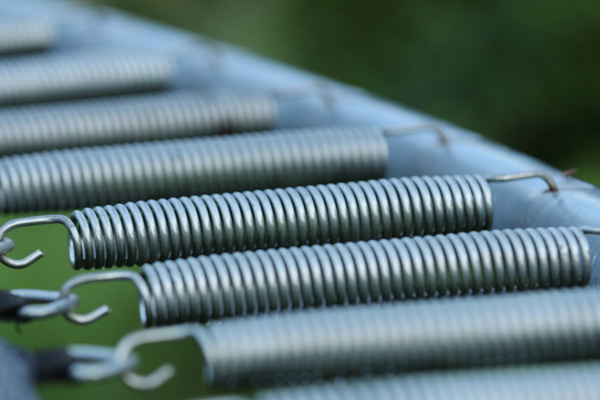
We know that within the elastic limit, the elongation (or contraction) of the spring is proportional to the external force.
2024-05-22
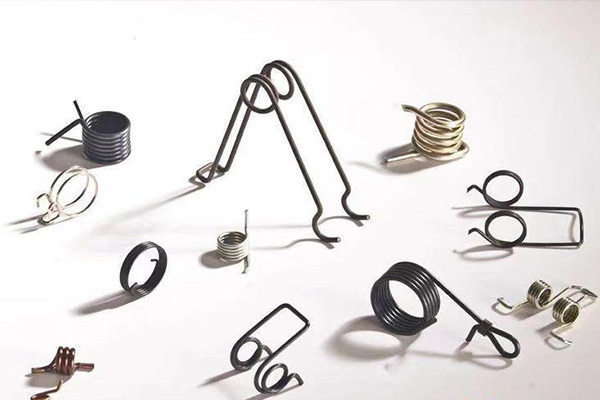
The current pattern of the spring industry
For the spring industry, for a long time, there has been an oversupply of low-grade ordinary springs.
2024-05-22
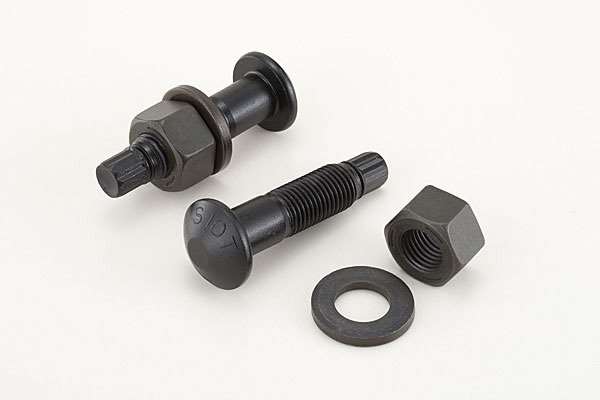
What material is generally used for high-strength bolts?
The upper limit of the tensile strength of the material used in high-strength bolts has a lot to do with the quenching treatment.
2024-05-22


Service E-mail
Service TEL
Address
Handan City, Hebei Province, China
To inquire about our products, please leave your email to us and we will contact you within 24 hours.
