



The Essential Guide to Welding Nails: Applications, Benefits, and Considerations
2025-11-22
Welding nails are specialized fasteners that play an essential role in various industrial applications, particularly in construction and manufacturing. Unlike traditional nails, welding nails are designed to be fused onto surfaces through welding techniques, providing a robust and durable fastening solution. Their unique design allows for a stronger bond compared to standard fastening methods, mak
Welding nails are specialized fasteners that play an essential role in various industrial applications, particularly in construction and manufacturing. Unlike traditional nails, welding nails are designed to be fused onto surfaces through welding techniques, providing a robust and durable fastening solution. Their unique design allows for a stronger bond compared to standard fastening methods, making them a popular choice in environments where structural integrity is paramount.
One of the primary advantages of welding nails is their ability to create a permanent bond without the need for pre-drilling or additional hardware. This feature significantly reduces installation time and labor costs, making them an efficient solution for projects requiring quick turnaround times. Additionally, welding nails can be used on a variety of materials, including metals and certain types of plastics, which expands their usability across different industries.
In applications such as steel construction, automotive manufacturing, and heavy machinery assembly, welding nails provide a reliable fastening method that can withstand high stress and dynamic loads. The controlled weld process ensures that the nails are securely attached, minimizing the risk of loosening or failure over time. Furthermore, welding nails are often resistant to corrosion, contributing to the longevity of the fastening solution in challenging environments.
When considering the use of welding nails, it is crucial to assess the specific requirements of your project, including the material compatibility and the welding methods available. There are various types of welding processes that can be employed, such as arc welding and resistance welding, each with its own set of advantages and limitations. Understanding these processes will help you select the most suitable welding nails for your application.
Safety is another critical factor to consider. Proper training and adherence to safety protocols are essential when working with welding equipment and materials. Ensuring that your team is well-versed in welding techniques will not only improve the quality of the work but also minimize potential hazards associated with welding operations.
In summary, welding nails represent a versatile and efficient fastening solution that can enhance the performance and durability of various industrial applications. By understanding their benefits, applications, and the considerations involved in their use, professionals can make informed decisions that lead to successful project outcomes. Whether you are involved in construction, manufacturing, or any other sector requiring reliable fasteners, welding nails should be a key consideration in your toolkit.
One of the primary advantages of welding nails is their ability to create a permanent bond without the need for pre-drilling or additional hardware. This feature significantly reduces installation time and labor costs, making them an efficient solution for projects requiring quick turnaround times. Additionally, welding nails can be used on a variety of materials, including metals and certain types of plastics, which expands their usability across different industries.
In applications such as steel construction, automotive manufacturing, and heavy machinery assembly, welding nails provide a reliable fastening method that can withstand high stress and dynamic loads. The controlled weld process ensures that the nails are securely attached, minimizing the risk of loosening or failure over time. Furthermore, welding nails are often resistant to corrosion, contributing to the longevity of the fastening solution in challenging environments.
When considering the use of welding nails, it is crucial to assess the specific requirements of your project, including the material compatibility and the welding methods available. There are various types of welding processes that can be employed, such as arc welding and resistance welding, each with its own set of advantages and limitations. Understanding these processes will help you select the most suitable welding nails for your application.
Safety is another critical factor to consider. Proper training and adherence to safety protocols are essential when working with welding equipment and materials. Ensuring that your team is well-versed in welding techniques will not only improve the quality of the work but also minimize potential hazards associated with welding operations.
In summary, welding nails represent a versatile and efficient fastening solution that can enhance the performance and durability of various industrial applications. By understanding their benefits, applications, and the considerations involved in their use, professionals can make informed decisions that lead to successful project outcomes. Whether you are involved in construction, manufacturing, or any other sector requiring reliable fasteners, welding nails should be a key consideration in your toolkit.
Key words:
RELATED INFORMATION
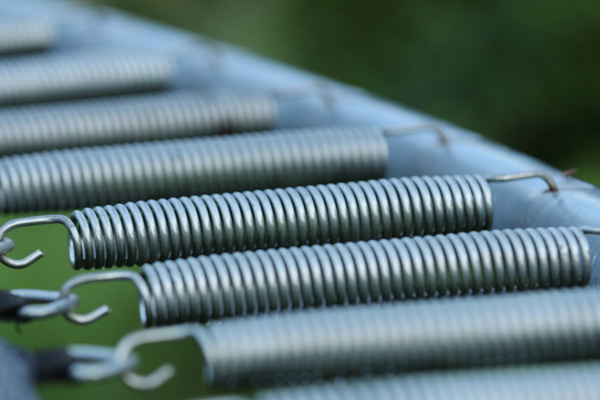
We know that within the elastic limit, the elongation (or contraction) of the spring is proportional to the external force.
2024-05-22
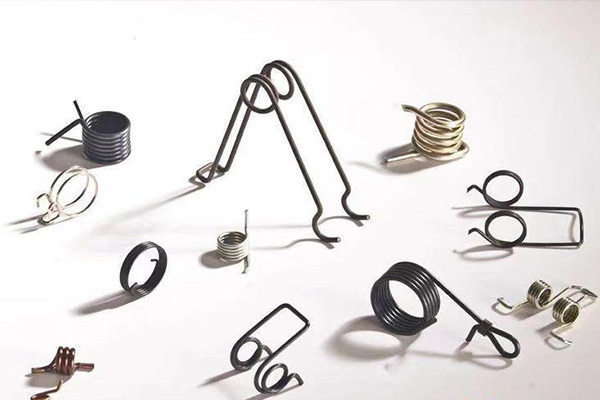
The current pattern of the spring industry
For the spring industry, for a long time, there has been an oversupply of low-grade ordinary springs.
2024-05-22
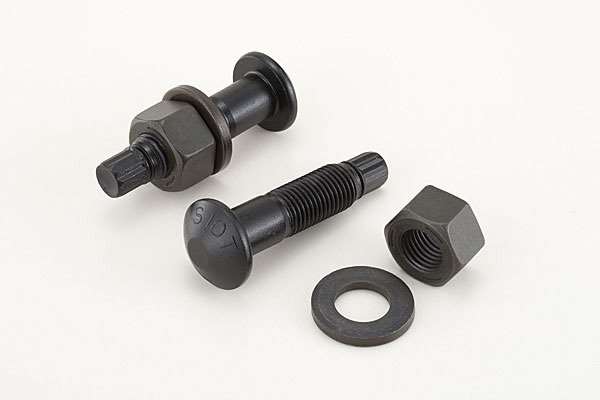
What material is generally used for high-strength bolts?
The upper limit of the tensile strength of the material used in high-strength bolts has a lot to do with the quenching treatment.
2024-05-22


Service E-mail
Service TEL
Address
Handan City, Hebei Province, China
To inquire about our products, please leave your email to us and we will contact you within 24 hours.
