



Understanding Welding Nails: Essential Insights for Industrial Applications
2025-10-23
Welding nails are fasteners designed to provide a strong and secure bond between materials through the process of welding. Unlike traditional nails, welding nails are manufactured with a specific end design that allows for efficient and effective attachment when subjected to high temperatures. The welding process typically involves melting the nail's base and the material it is being attached to,
Welding nails are fasteners designed to provide a strong and secure bond between materials through the process of welding. Unlike traditional nails, welding nails are manufactured with a specific end design that allows for efficient and effective attachment when subjected to high temperatures. The welding process typically involves melting the nail's base and the material it is being attached to, creating a solid joint upon cooling.
One of the primary advantages of using welding nails is their ability to create a high-strength connection that can withstand significant loads and stresses. This makes them an ideal choice for applications in construction, manufacturing, and automotive industries where structural integrity is paramount. Unlike mechanical fasteners that may loosen over time, welding nails form a permanent bond, reducing the potential for failure and maintenance needs.
When considering welding nails for your projects, it's essential to assess the materials you are working with and the specific requirements of the application. Different types of welding nails are available, including those made from carbon steel, stainless steel, and other alloys, each offering distinct benefits in terms of strength, corrosion resistance, and temperature tolerance. Selecting the right material is crucial, especially for projects exposed to harsh environments or requiring long-term durability.
The installation process for welding nails involves using a welding tool, which generates the necessary heat to melt the nail and bond it to the substrate. It is important to ensure that the surfaces being joined are clean and free of contaminants to achieve optimal results. Additionally, understanding the appropriate welding techniques and parameters, such as temperature and duration, is essential for effective bonding.
Safety is another critical aspect when working with welding nails. Proper protective equipment should be worn, and safety protocols must be followed to prevent accidents or injuries during the welding process. Training personnel in the safe handling and application of welding nails can further enhance workplace safety.
In summary, welding nails are a powerful fastening solution for industrial applications, providing strength and durability that traditional fasteners may not deliver. By understanding the types, materials, and installation processes associated with welding nails, you can make informed decisions that enhance the quality and reliability of your projects. Whether you are involved in construction, manufacturing, or other industrial operations, welding nails may be the key to achieving superior connections and ensuring long-lasting performance.
One of the primary advantages of using welding nails is their ability to create a high-strength connection that can withstand significant loads and stresses. This makes them an ideal choice for applications in construction, manufacturing, and automotive industries where structural integrity is paramount. Unlike mechanical fasteners that may loosen over time, welding nails form a permanent bond, reducing the potential for failure and maintenance needs.
When considering welding nails for your projects, it's essential to assess the materials you are working with and the specific requirements of the application. Different types of welding nails are available, including those made from carbon steel, stainless steel, and other alloys, each offering distinct benefits in terms of strength, corrosion resistance, and temperature tolerance. Selecting the right material is crucial, especially for projects exposed to harsh environments or requiring long-term durability.
The installation process for welding nails involves using a welding tool, which generates the necessary heat to melt the nail and bond it to the substrate. It is important to ensure that the surfaces being joined are clean and free of contaminants to achieve optimal results. Additionally, understanding the appropriate welding techniques and parameters, such as temperature and duration, is essential for effective bonding.
Safety is another critical aspect when working with welding nails. Proper protective equipment should be worn, and safety protocols must be followed to prevent accidents or injuries during the welding process. Training personnel in the safe handling and application of welding nails can further enhance workplace safety.
In summary, welding nails are a powerful fastening solution for industrial applications, providing strength and durability that traditional fasteners may not deliver. By understanding the types, materials, and installation processes associated with welding nails, you can make informed decisions that enhance the quality and reliability of your projects. Whether you are involved in construction, manufacturing, or other industrial operations, welding nails may be the key to achieving superior connections and ensuring long-lasting performance.
Key words:
RELATED INFORMATION
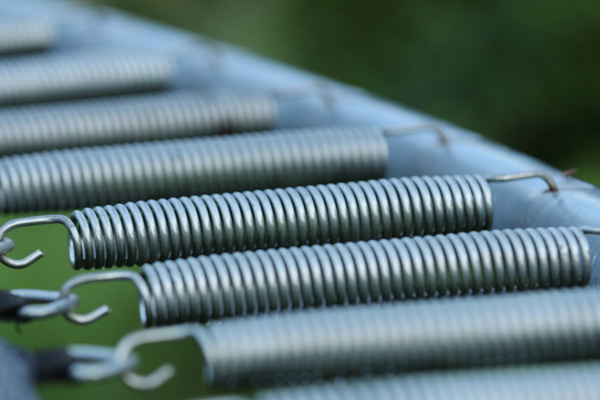
We know that within the elastic limit, the elongation (or contraction) of the spring is proportional to the external force.
2024-05-22
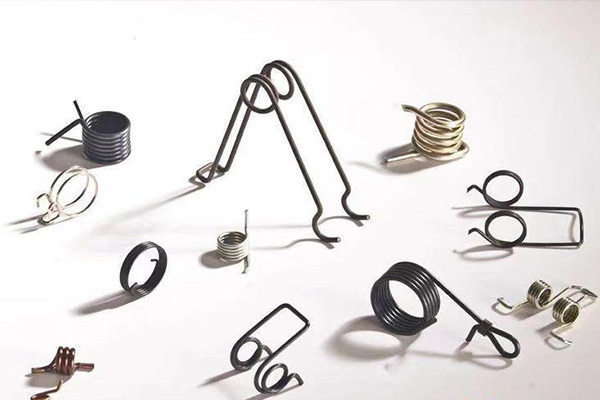
The current pattern of the spring industry
For the spring industry, for a long time, there has been an oversupply of low-grade ordinary springs.
2024-05-22
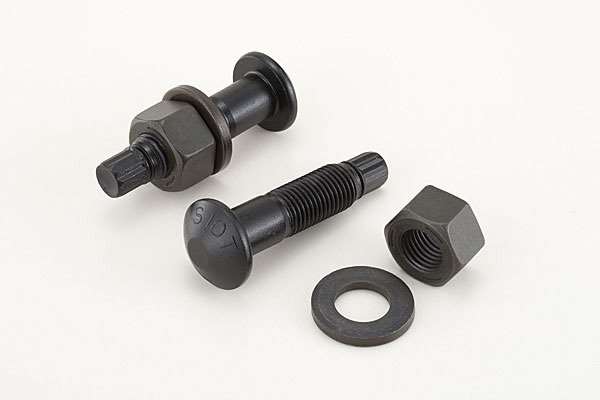
What material is generally used for high-strength bolts?
The upper limit of the tensile strength of the material used in high-strength bolts has a lot to do with the quenching treatment.
2024-05-22


Service E-mail
Service TEL
Address
Handan City, Hebei Province, China
To inquire about our products, please leave your email to us and we will contact you within 24 hours.
