



Common Mistakes to Avoid When Using Stainless Steel Nuts: A Comprehensive Guide
2025-10-22
Common Mistakes to Avoid When Using Stainless Steel Nuts
Introduction to Stainless Steel Nuts
Stainless steel nuts are integral components in various industrial applications, ranging from automotive manufacturing to construction. While they offer excellent corrosion resistance and durability, misuse or misunderstanding of these fasteners can lead to costly mistakes. This guide aims to outline the
Common Mistakes to Avoid When Using Stainless Steel Nuts
Introduction to Stainless Steel Nuts
Stainless steel nuts are integral components in various industrial applications, ranging from automotive manufacturing to construction. While they offer excellent corrosion resistance and durability, misuse or misunderstanding of these fasteners can lead to costly mistakes. This guide aims to outline the **common mistakes** to avoid when utilizing stainless steel nuts, ensuring that your projects are executed flawlessly.
Understanding Stainless Steel Alloys
1. Choosing the Wrong Stainless Steel Grade
One of the primary mistakes made in the selection of stainless steel nuts is opting for the wrong grade. Stainless steel nuts are available in several grades, each with distinct properties. For instance, **A2 (304)** is a general-purpose stainless steel, while **A4 (316)** provides enhanced corrosion resistance, especially in marine environments.
Always assess the environment where the nuts will be used. Factors such as **humidity**, **salinity**, and **chemical exposure** should drive your choice of material. Choosing a lower-grade nut in a corrosive environment can lead to significant failures.
2. Ignoring the Importance of Matching Fasteners
Using mismatched fasteners is another frequent error. When combining nuts, bolts, and washers, it’s crucial to ensure that all components are made from the same material and, ideally, from the same manufacturer. This practice reduces the risk of galvanic corrosion, which can occur when dissimilar metals are in contact.
Always verify that your nuts are compatible with the bolts being used—paying close attention to **thread pitch**, **diameter**, and **tensile strength**.
Torque Specifications and Installation Techniques
3. Failing to Follow Proper Torque Specifications
Torque specifications are critical in securing connections. Over-torquing or under-torquing can lead to joint failure. Over-torquing may cause the nut to strip the threads or even break, while under-torquing can result in loosening over time.
To avoid these issues, always refer to the manufacturer’s specifications for torque values and utilize a calibrated torque wrench during installation. This ensures that each connection is properly secured without causing damage to the fasteners.
4. Neglecting Lubrication
Another common misconception is the belief that stainless steel nuts do not require lubrication. While stainless steel has natural anti-friction properties, lubrication can still reduce galling—a common problem in stainless steel fasteners where threads seize together due to friction.
When working with stainless steel nuts, consider using a suitable lubricant, such as **anti-seize compounds**. This will help mitigate galling and ensure easier disassembly in the future.
Environmental Considerations and Corrosion Risks
5. Overlooking Environmental Factors
The environment plays a pivotal role in the performance of stainless steel nuts. Factors like temperature fluctuations, exposure to chemicals, and humidity levels can significantly impact their longevity.
For example, using A2 stainless steel nuts in a saltwater environment can lead to rapid corrosion. Always assess the specific environment and select the appropriate stainless steel grade to mitigate these risks.
6. Ignoring the Effects of Disinfectants and Cleaners
In many industrial settings, the use of disinfectants and harsh cleaners is common. Some of these substances can cause stress corrosion cracking in stainless steel. It’s essential to identify any cleaning agents used in your environment and ensure that they are compatible with the type of stainless steel you are using.
Always consult with material safety data sheets (MSDS) for any chemicals used, and consider alternatives if these substances are found to be unsuitable.
Maintenance and Inspection Practices
7. Skipping Regular Inspections
A common oversight is the failure to conduct regular inspections of stainless steel nut assemblies. Routine checks can identify early signs of wear, corrosion, or loosening.
Schedule periodic inspections, especially in high-stress or high-corrosive environments. Look for signs of corrosion, thread wear, or any loosening of the nut. Early detection can save you from costly repairs or replacements down the line.
8. Not Planning for Disassembly
When installing stainless steel nuts, it’s crucial to plan for their future disassembly. Many overlook this aspect, leading to problems when trying to remove the fasteners.
Ensure that all connections are designed with future maintenance in mind. Utilize lubricants and avoid over-torquing to make disassembly easier when the time comes.
Conclusion: Best Practices for Using Stainless Steel Nuts
Utilizing stainless steel nuts effectively requires an understanding of the material, proper installation techniques, and awareness of environmental factors. By avoiding these common mistakes, including selecting the right grade, matching fasteners, following torque specifications, and planning for maintenance, you can ensure the longevity and security of your assemblies.
With careful attention to detail and adherence to best practices, you can confidently use stainless steel nuts in your industrial applications, minimizing risks and enhancing performance.
FAQs
1. What are the common grades of stainless steel nuts?
Common grades include A2 (304) and A4 (316), with A4 offering better corrosion resistance.
2. How do I prevent galling when using stainless steel nuts?
Using lubricants such as anti-seize compounds can significantly reduce the risk of galling.
3. What environmental factors should I consider when selecting stainless steel nuts?
Consider humidity, temperature, and chemical exposure when selecting the appropriate grade.
4. Why is it important to match fasteners?
Mismatched fasteners can lead to galvanic corrosion and joint failure.
5. How often should I inspect stainless steel nut assemblies?
Regular inspections should be scheduled, especially in high-stress or corrosive environments, to identify wear and loosening.
By understanding these common pitfalls and adhering to best practices, you can ensure that your use of stainless steel nuts is effective, safe, and durable.
Key words:
RELATED INFORMATION
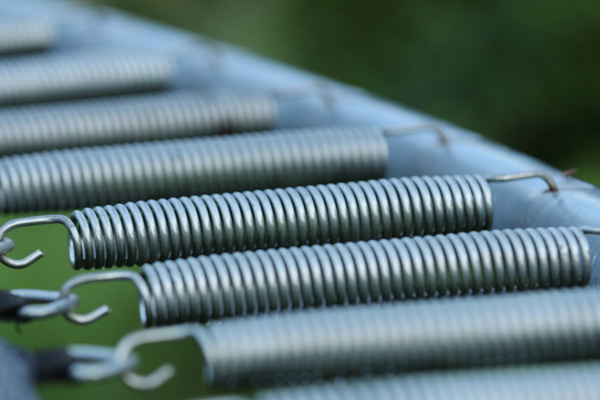
We know that within the elastic limit, the elongation (or contraction) of the spring is proportional to the external force.
2024-05-22
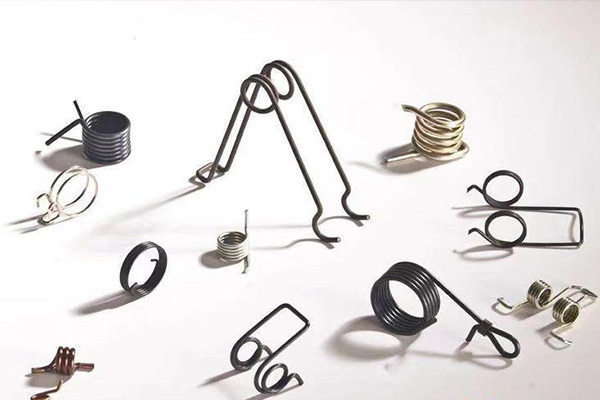
The current pattern of the spring industry
For the spring industry, for a long time, there has been an oversupply of low-grade ordinary springs.
2024-05-22
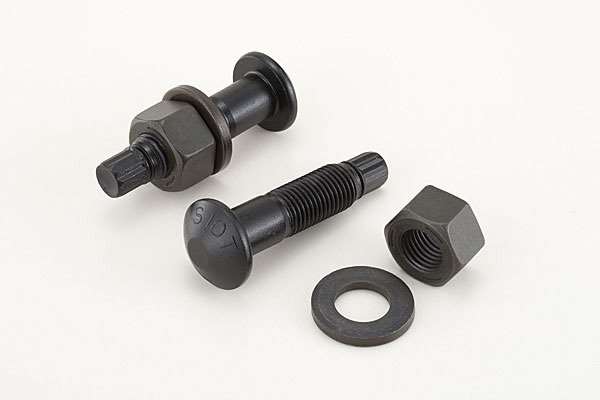
What material is generally used for high-strength bolts?
The upper limit of the tensile strength of the material used in high-strength bolts has a lot to do with the quenching treatment.
2024-05-22


Service E-mail
Service TEL
Address
Handan City, Hebei Province, China
To inquire about our products, please leave your email to us and we will contact you within 24 hours.
