



Understanding Stainless Steel Expansion: Essential Insights for Industrial Applications
2025-10-03
---
Stainless steel is widely recognized for its corrosion resistance, durability, and aesthetic appeal, making it an ideal choice for many industrial applications. However, one critical aspect that often goes overlooked is the phenomenon of thermal expansion. Like all materials, stainless steel expands and contracts in response to temperature changes, which can significantly impact its performanc
---
Stainless steel is widely recognized for its corrosion resistance, durability, and aesthetic appeal, making it an ideal choice for many industrial applications. However, one critical aspect that often goes overlooked is the phenomenon of thermal expansion. Like all materials, stainless steel expands and contracts in response to temperature changes, which can significantly impact its performance in fastening and connecting applications.
### What is Stainless Steel Expansion?
Stainless steel expansion refers to the tendency of stainless steel to change its dimensions when subjected to temperature variations. When heated, the metal expands; conversely, when cooled, it contracts. This property is known as the coefficient of thermal expansion (CTE), which for stainless steel typically ranges from 16 to 18 x 10^-6 per degree Celsius. Understanding this behavior is essential for engineers and professionals working with stainless steel components in industrial settings.
### Factors Influencing Expansion
Several factors can influence the rate and extent of stainless steel expansion:
1. **Temperature Fluctuations**: Rapid or extreme temperature changes can lead to significant expansion or contraction, which may stress connections and joints.
2. **Alloy Composition**: Different stainless steel grades (e.g., 304, 316) have varying CTEs due to their unique compositions, affecting their expansion properties.
3. **Joint Design**: The method of joining components — whether through welding, bolting, or other fastening techniques — can also play a vital role in how expansion is managed.
### Implications for Industrial Applications
When designing and selecting stainless steel components for industrial applications, it's crucial to account for thermal expansion. Here are some key considerations:
- **Joint Tolerance**: Ensure that there is adequate tolerance in joint designs to accommodate expansion without compromising the integrity of the connection.
- **Material Selection**: Choose the right stainless steel grade based on the thermal environment and the specific expansion characteristics that may be needed.
- **Environmental Conditions**: In applications subject to significant temperature changes, consider the potential impacts on the performance of the fasteners and connections.
### Conclusion
Understanding stainless steel expansion is vital for ensuring the reliability and safety of industrial fasteners and connections. By considering the factors influencing thermal expansion, professionals can make informed decisions that enhance the durability and functionality of their systems. Whether you are involved in engineering, manufacturing, or installation, a thorough grasp of this concept will aid in optimizing the performance of stainless steel components in your projects.
Stainless steel is widely recognized for its corrosion resistance, durability, and aesthetic appeal, making it an ideal choice for many industrial applications. However, one critical aspect that often goes overlooked is the phenomenon of thermal expansion. Like all materials, stainless steel expands and contracts in response to temperature changes, which can significantly impact its performance in fastening and connecting applications.
### What is Stainless Steel Expansion?
Stainless steel expansion refers to the tendency of stainless steel to change its dimensions when subjected to temperature variations. When heated, the metal expands; conversely, when cooled, it contracts. This property is known as the coefficient of thermal expansion (CTE), which for stainless steel typically ranges from 16 to 18 x 10^-6 per degree Celsius. Understanding this behavior is essential for engineers and professionals working with stainless steel components in industrial settings.
### Factors Influencing Expansion
Several factors can influence the rate and extent of stainless steel expansion:
1. **Temperature Fluctuations**: Rapid or extreme temperature changes can lead to significant expansion or contraction, which may stress connections and joints.
2. **Alloy Composition**: Different stainless steel grades (e.g., 304, 316) have varying CTEs due to their unique compositions, affecting their expansion properties.
3. **Joint Design**: The method of joining components — whether through welding, bolting, or other fastening techniques — can also play a vital role in how expansion is managed.
### Implications for Industrial Applications
When designing and selecting stainless steel components for industrial applications, it's crucial to account for thermal expansion. Here are some key considerations:
- **Joint Tolerance**: Ensure that there is adequate tolerance in joint designs to accommodate expansion without compromising the integrity of the connection.
- **Material Selection**: Choose the right stainless steel grade based on the thermal environment and the specific expansion characteristics that may be needed.
- **Environmental Conditions**: In applications subject to significant temperature changes, consider the potential impacts on the performance of the fasteners and connections.
### Conclusion
Understanding stainless steel expansion is vital for ensuring the reliability and safety of industrial fasteners and connections. By considering the factors influencing thermal expansion, professionals can make informed decisions that enhance the durability and functionality of their systems. Whether you are involved in engineering, manufacturing, or installation, a thorough grasp of this concept will aid in optimizing the performance of stainless steel components in your projects.
Key words:
RELATED INFORMATION

We know that within the elastic limit, the elongation (or contraction) of the spring is proportional to the external force.
2024-05-22
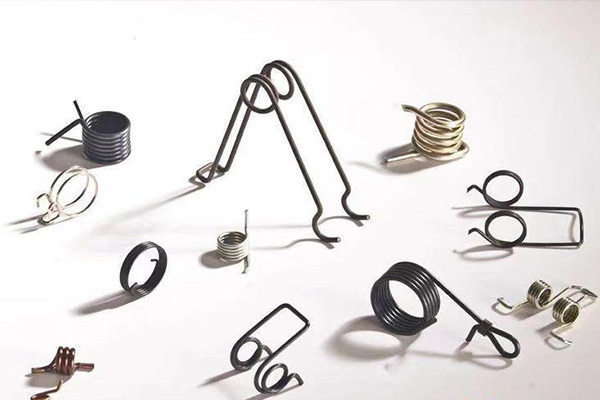
The current pattern of the spring industry
For the spring industry, for a long time, there has been an oversupply of low-grade ordinary springs.
2024-05-22
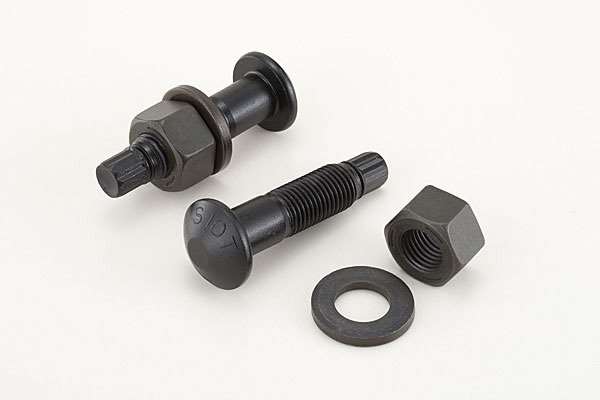
What material is generally used for high-strength bolts?
The upper limit of the tensile strength of the material used in high-strength bolts has a lot to do with the quenching treatment.
2024-05-22


Service E-mail
Service TEL
Address
Handan City, Hebei Province, China
To inquire about our products, please leave your email to us and we will contact you within 24 hours.
