



The Cost-Effectiveness of Using Stainless Steel Pins in Production: A Comprehensive Guide
2025-10-02
The Cost-Effectiveness of Using Stainless Steel Pins in Production
Introduction to Stainless Steel Pins in Manufacturing
In the manufacturing industry, selecting the right materials for production is crucial. Among the various fasteners and components available, **stainless steel pins** have emerged as a highly effective option. They are utilized in numerous applications due to their strength, res
The Cost-Effectiveness of Using Stainless Steel Pins in Production
Introduction to Stainless Steel Pins in Manufacturing
In the manufacturing industry, selecting the right materials for production is crucial. Among the various fasteners and components available, **stainless steel pins** have emerged as a highly effective option. They are utilized in numerous applications due to their strength, resistance to corrosion, and overall longevity. This article delves into the cost-effectiveness of stainless steel pins, exploring their advantages, applications, and the factors that contribute to their return on investment in production environments.
Understanding the Role of Stainless Steel Pins
Stainless steel pins serve as essential connectors and fasteners in a variety of industrial applications. They are often used in assemblies where durability and reliability are paramount. These pins are available in several configurations, including **cotter pins**, **dowel pins**, and **retaining pins**, each designed to fulfill specific requirements.
The Functional Benefits of Stainless Steel Pins
Stainless steel pins offer several functional benefits that make them an attractive choice for manufacturers:
1. Corrosion Resistance
One of the most significant advantages of stainless steel pins is their innate resistance to corrosion. This property is particularly beneficial in environments exposed to moisture, chemicals, and temperature fluctuations, reducing the need for frequent replacements.
2. High Strength-to-Weight Ratio
Stainless steel pins are engineered to provide exceptional strength while remaining lightweight. This combination allows for efficient use in applications where weight is a consideration without compromising structural integrity.
3. Versatility in Applications
These pins are adaptable and can be employed in various industries, including automotive, aerospace, and construction. Their versatility extends to use in different mechanical assemblies, fixtures, and equipment.
4. Ease of Installation and Maintenance
Installing stainless steel pins is generally straightforward, requiring minimal tools and expertise. Furthermore, maintenance is simplified due to their resistance to wear and tear.
Analyzing Cost-Effectiveness in Production
When assessing the **cost-effectiveness** of stainless steel pins, it is essential to consider both direct and indirect costs associated with their use in production.
Direct Costs: Initial Investment and Replacement
The initial cost of stainless steel pins may be higher compared to other materials such as plastic or carbon steel. However, their durability can lead to lower replacement rates over time, saving money in the long run.
Indirect Costs: Impact on Production Efficiency
The use of stainless steel pins can enhance overall production efficiency. Their reliability reduces downtime due to equipment failure, facilitating smoother operations. This increased efficiency can lead to higher productivity rates and ultimately, improved profitability.
Long-Term Savings through Durability
Investing in stainless steel pins results in long-term savings. Their durability leads to fewer replacements and maintenance needs, significantly lowering costs associated with labor and material reorders.
Factors Influencing the Cost-Effectiveness of Stainless Steel Pins
Several elements can impact the overall cost-effectiveness of using stainless steel pins in production:
1. Quality of Materials
The quality of stainless steel used in manufacturing pins plays a crucial role in their performance. Higher-grade stainless steel, while initially more expensive, often leads to greater longevity and better resistance to corrosion.
2. Supplier Relationships
Building strong relationships with reliable suppliers can lead to significant savings through bulk purchasing, favorable terms, and consistent quality.
3. Manufacturing Processes
Choosing the right manufacturing processes for assembling stainless steel pins can also influence cost-effectiveness. Companies must analyze their production methods to ensure they utilize efficient techniques that minimize waste and labor costs.
Applications of Stainless Steel Pins in Various Industries
Stainless steel pins find applications across multiple sectors, each benefiting from their unique properties.
1. Automotive Industry
In the automotive sector, stainless steel pins are integral to the assembly of various components, including engines and transmission systems, where reliability is crucial.
2. Aerospace Sector
The aerospace industry demands the highest standards in material performance. Stainless steel pins provide the necessary strength and weight advantages crucial for flight safety.
3. Construction and Infrastructure
In construction, stainless steel pins are used in scaffolding, reinforcements, and various structural applications where durability and corrosion resistance are critical.
Case Studies: Implementing Stainless Steel Pins for Cost Savings
Several companies have successfully implemented stainless steel pins into their production lines, realizing significant cost savings and efficiency improvements.
Case Study 1: Automotive Assembly Line
A leading automotive manufacturer switched from carbon steel to stainless steel pins for their assembly line. This change not only reduced the frequency of replacements but also improved assembly line efficiency by 20%.
Case Study 2: Aerospace Component Manufacturer
An aerospace company incorporated stainless steel pins in their engine assembly. The result was a notable decrease in maintenance costs and improved safety ratings due to enhanced reliability.
Choosing the Right Stainless Steel Pins for Your Production Needs
Selecting the appropriate stainless steel pins for your applications is vital for maximizing their benefits.
1. Understanding Pin Types
Different types of stainless steel pins are designed for specific applications. Understanding the unique properties of each type is essential for effective selection.
2. Assessing Environmental Conditions
Evaluate the environmental conditions in which the pins will operate. Factors such as humidity, temperature, and exposure to chemicals will influence the choice of stainless steel grade.
3. Considering Load Requirements
Evaluate the load requirements for the application. Ensure that the selected pins can withstand the stresses they will encounter without failure.
FAQs about Stainless Steel Pins in Production
1. What are stainless steel pins made from?
Stainless steel pins are typically made from various grades of stainless steel, including 304 and 316, which offer different levels of corrosion resistance and strength.
2. How do stainless steel pins compare to other materials?
Stainless steel pins provide superior corrosion resistance, strength, and durability compared to materials like plastic or carbon steel, making them a more cost-effective choice in the long run.
3. Can stainless steel pins be recycled?
Yes, stainless steel pins are highly recyclable, which adds to their sustainability and reduces the overall environmental impact of their production.
4. What industries benefit the most from using stainless steel pins?
Industries such as automotive, aerospace, construction, and manufacturing benefit significantly from the use of stainless steel pins due to their reliability and durability.
5. How can I ensure I am purchasing high-quality stainless steel pins?
To ensure quality, purchase stainless steel pins from reputable suppliers who provide certifications and product specifications that detail the material's grade and properties.
Conclusion
In conclusion, the cost-effectiveness of using stainless steel pins in production is evident through their numerous advantages, including durability, corrosion resistance, and versatility. Investing in these components can lead to significant long-term savings, improved operational efficiency, and enhanced product quality. Manufacturers looking to optimize their production processes should consider the selection and implementation of stainless steel pins to achieve a competitive edge in the marketplace. Embracing this cost-effective solution will not only streamline operations but also contribute to sustainable manufacturing practices.
Key words:
RELATED INFORMATION
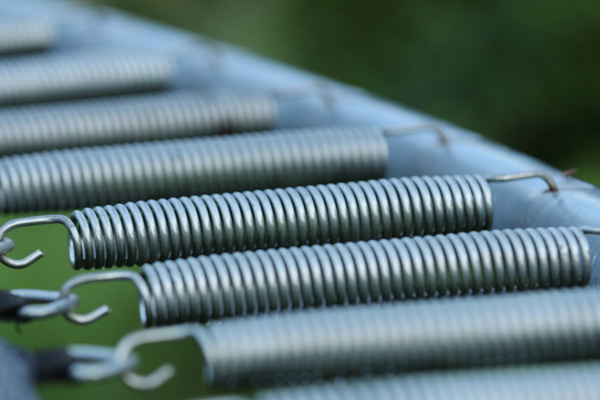
We know that within the elastic limit, the elongation (or contraction) of the spring is proportional to the external force.
2024-05-22
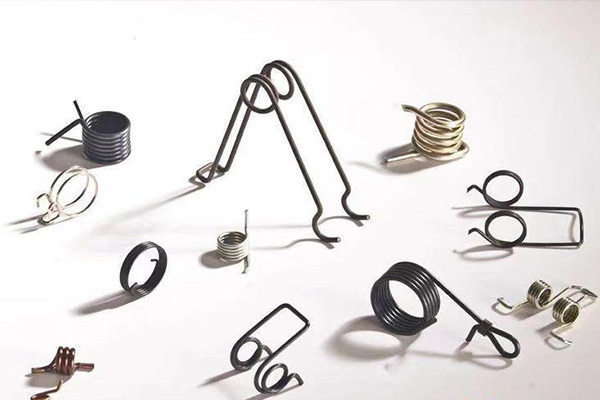
The current pattern of the spring industry
For the spring industry, for a long time, there has been an oversupply of low-grade ordinary springs.
2024-05-22
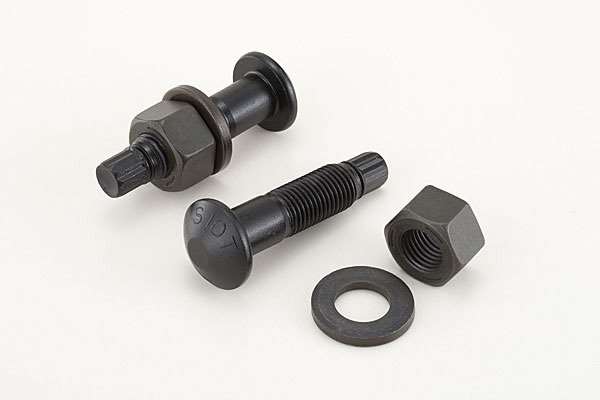
What material is generally used for high-strength bolts?
The upper limit of the tensile strength of the material used in high-strength bolts has a lot to do with the quenching treatment.
2024-05-22


Service E-mail
Service TEL
Address
Handan City, Hebei Province, China
To inquire about our products, please leave your email to us and we will contact you within 24 hours.
