
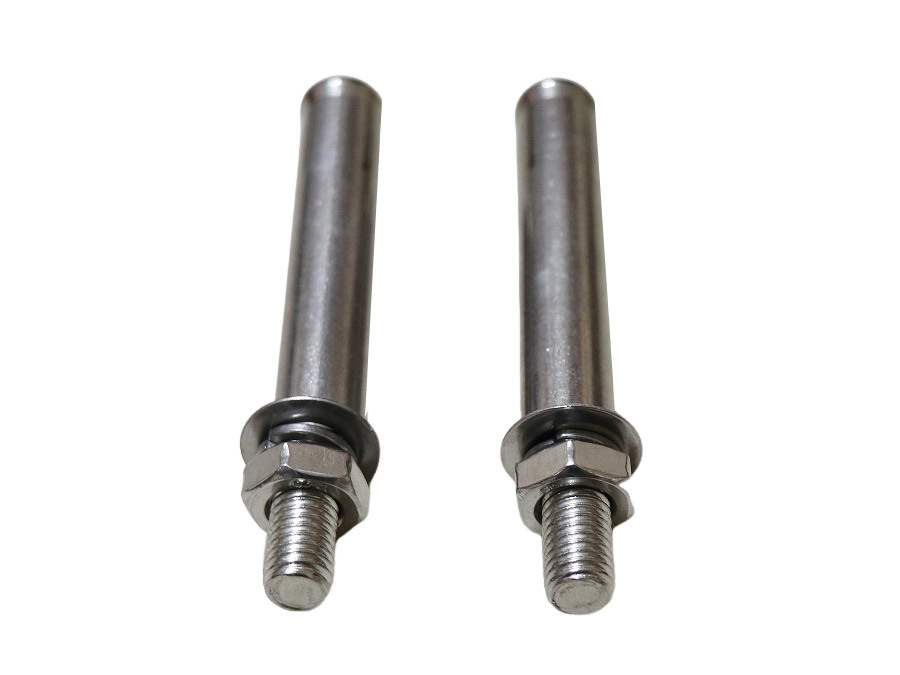
Understanding Stainless Steel Expansion: A Key Factor in Industrial Fasteners
Stainless steel is a popular choice in the manufacturing of fasteners and connectors due to its corrosion resistance, strength, and aesthetic appeal. However, one aspect that often goes overlooked is how stainless steel expands and contracts with temperature fluctuations. Understanding stainless steel expansion is vital for engineers and designers in ensuring that their fastening solutions remain
2025-12-08
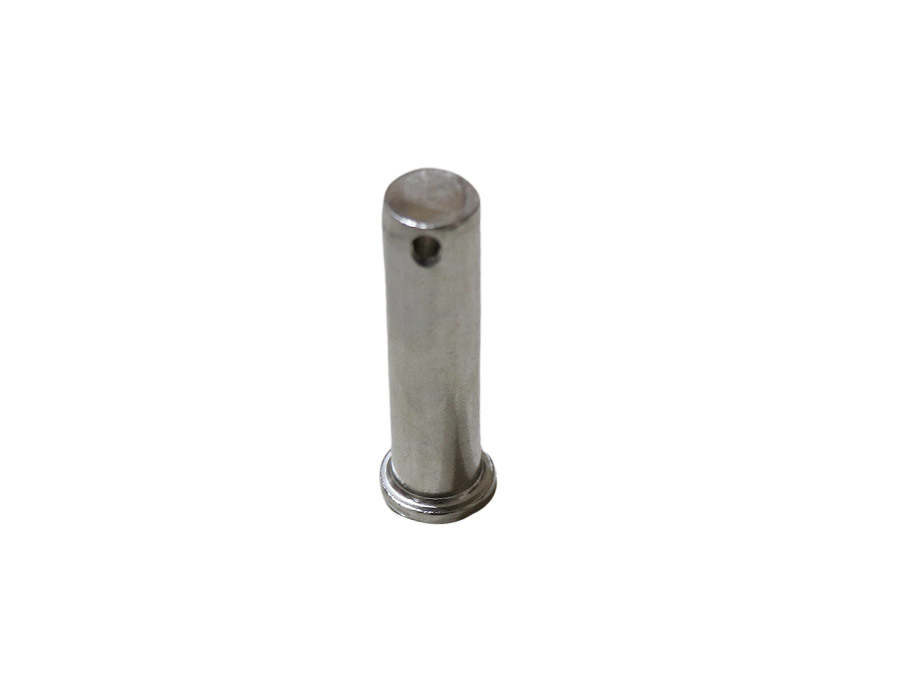
The Advantages of Custom Stainless Steel Pins for Unique Applications
Table of Contents
1. Introduction to Custom Stainless Steel Pins
2. What Are Custom Stainless Steel Pins?
3. Benefits of Using Custom Stainless Steel Pins
3.1. Exceptional Durability
3.2. Corrosion Resistance
3.3. Customization Options
3.4. Cost-Effectiveness
4. Unique Applications of C
2025-12-07
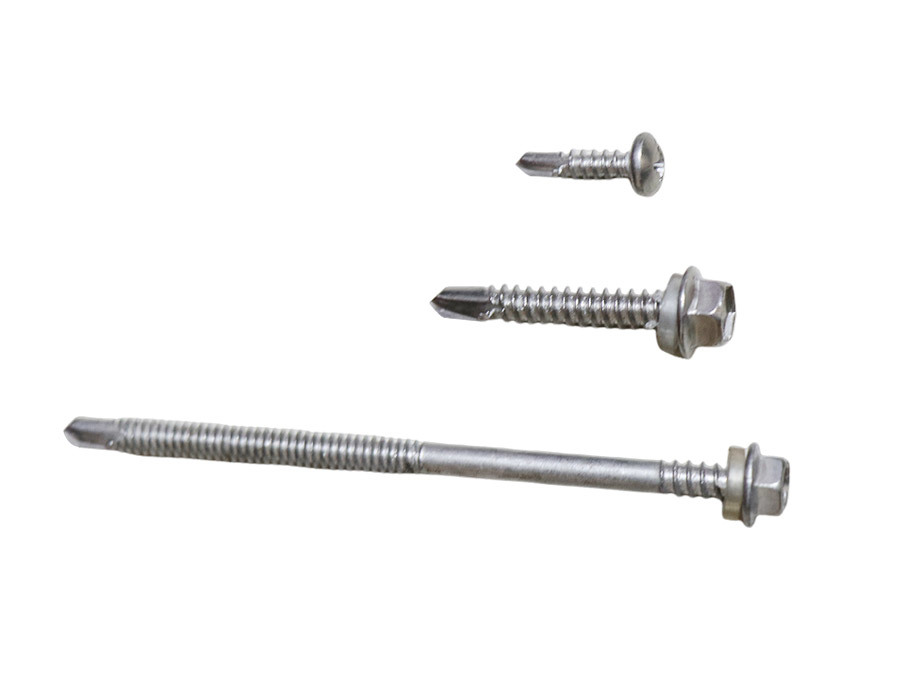
Understanding Stainless Steel Drill Tail Wire: Key Insights for Professionals
Stainless steel drill tail wire is an indispensable component in various industrial applications, particularly within the realm of fastening and connecting. Its unique properties make it a preferred choice among professionals looking for durability and reliability in their projects. This wire is characterized by a slender, elongated structure, often utilized in conjunction with drill bits to facil
2025-12-06
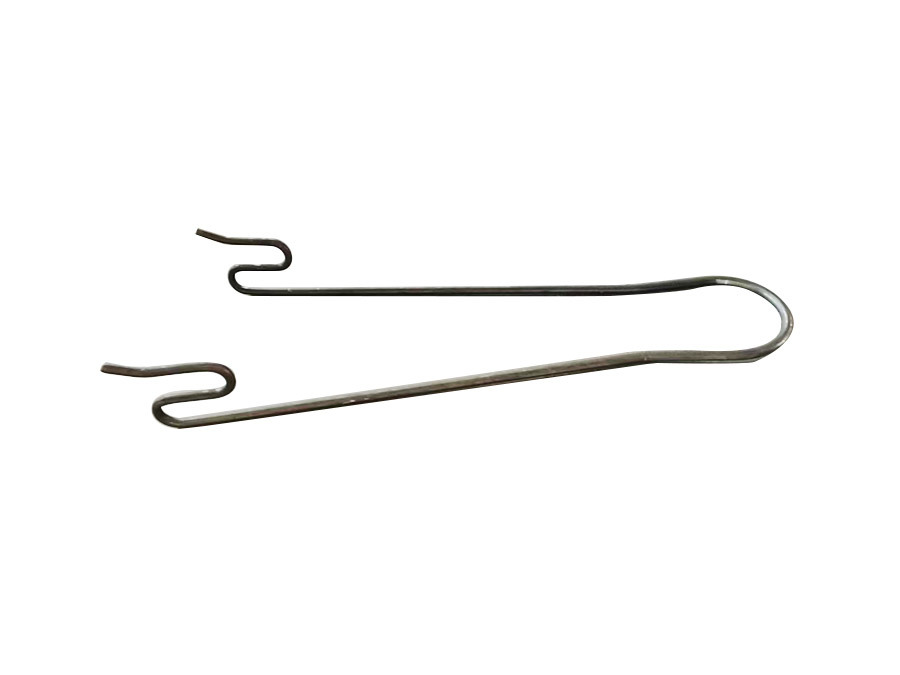
Navigating Regulatory Requirements for Embedded Parts in Manufacturing: A Comprehensive Guide
Navigating Regulatory Requirements for Embedded Parts in Manufacturing
In today's competitive manufacturing landscape, understanding and complying with regulatory requirements for embedded parts is crucial. Embedded parts, which include fasteners and connectors, play a significant role in the functionality and safety of manufactured products. Non-compliance can lead to severe consequences, includi
2025-12-05
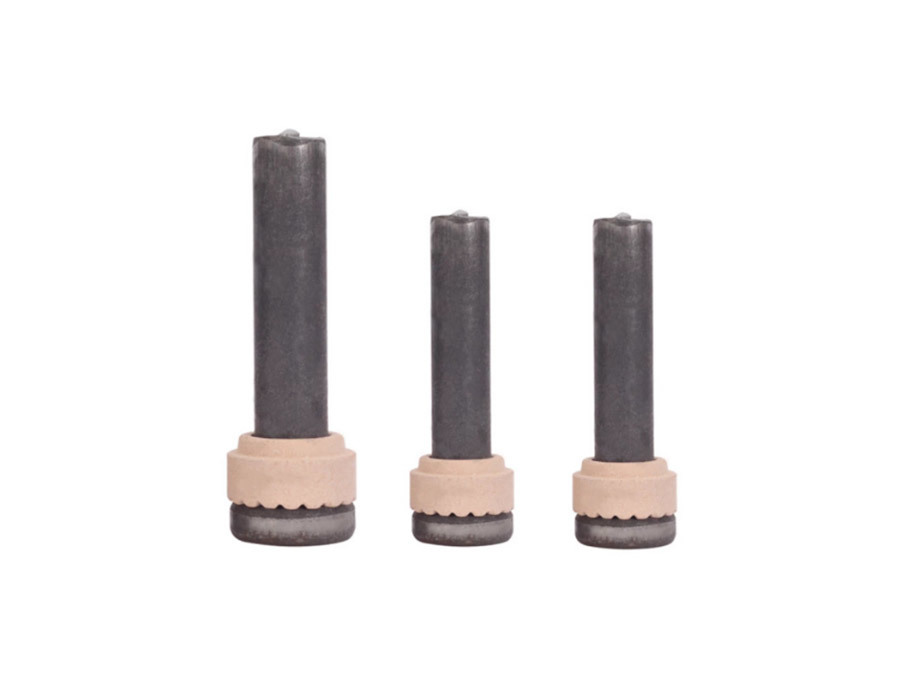
The Essential Guide to Welding Nails: A Key Component in Industrial Fastening
Welding nails are specialized fasteners designed to provide secure connections in various industrial applications. Unlike traditional nails, welding nails are engineered to be attached through a welding process, which allows them to achieve a high level of strength and durability. This makes them particularly useful in environments where conventional fastening methods may not suffice, such as in h
2025-12-04