



Embedded Parts: Key Components in Advanced Fastening Solutions
2026-09-13
Embedded Parts: Key Components in Advanced Fastening Solutions
In the ever-evolving landscape of industrial manufacturing, the role of embedded parts has become increasingly critical. These components are not just supplementary; they are the backbone of advanced fastening solutions. Understanding the intricacies of embedded parts is essential for anyone involved in the design, production, or appli
Embedded Parts: Key Components in Advanced Fastening Solutions
In the ever-evolving landscape of industrial manufacturing, the role of embedded parts has become increasingly critical. These components are not just supplementary; they are the backbone of advanced fastening solutions. Understanding the intricacies of embedded parts is essential for anyone involved in the design, production, or application of fasteners and connectors. This article delves into the significance, types, advantages, and real-world applications of embedded parts, providing a comprehensive resource for industry professionals.
Table of Contents
- 1. Understanding Embedded Parts
- 2. Types of Embedded Parts
- 3. Benefits of Embedded Parts in Fastening Solutions
- 4. Advanced Fastening Applications
- 5. Design Considerations for Embedded Parts
- 6. Materials Used in Embedded Parts
- 7. Maintenance and Reliability of Embedded Parts
- 8. Future Trends in Fastening Solutions
- 9. FAQs
- 10. Conclusion
1. Understanding Embedded Parts
Embedded parts are integral elements within fastening systems that enhance performance, improve stability, and ensure the longevity of the connection between components. These parts can be found in various applications, from automotive to aerospace, and even in everyday consumer products. By combining functionality with innovative design, embedded parts help manufacturers meet the ever-increasing demands for quality and efficiency.
Embedded parts often relate to fasteners, which are devices used to mechanically join or affix two or more components together. They can take various forms, including screws, bolts, rivets, and other connectors. Understanding how these parts work together is crucial for optimizing assembly processes and ensuring product reliability.
2. Types of Embedded Parts
Various types of embedded parts cater to specific fastening needs. Some common categories include:
2.1 Fasteners
Fasteners serve as the primary means of joining components. Types of fasteners include:
- **Bolts**: Often used in structural applications, bolts are typically threaded and designed to be tightened with a nut.
- **Screws**: These are similar to bolts but usually have a head and are driven directly into the material.
- **Rivets**: Used primarily in permanent applications, rivets create a strong, lasting bond between materials.
2.2 Anchors
Anchors provide a means of securing fasteners in materials that may not have inherent support. They are particularly useful in concrete and masonry applications, where standard fasteners would not provide adequate grip.
2.3 Washers
Washers distribute the load of a fastener over a larger area, which can help prevent damage to the components being joined. They also serve to reduce friction and provide a better seal against environmental elements.
2.4 Inserts
Inserts are often used in softer materials to provide a threaded interface for fasteners. They enhance the durability of the connection and allow for repeated assembly and disassembly.
3. Benefits of Embedded Parts in Fastening Solutions
Integrating embedded parts into fastening solutions offers numerous advantages that significantly enhance operational efficiency. Some of these benefits include:
3.1 Improved Load Distribution
Embedded parts allow for better load distribution across a joint, reducing the risk of failure due to stress concentrations. This is particularly important in applications where dynamic loads are prevalent.
3.2 Enhanced Stability and Alignment
By ensuring that components are securely fastened, embedded parts contribute to the overall stability and alignment of assemblies. This is crucial in applications where precision is paramount, such as in machinery and structural components.
3.3 Increased Longevity
When properly designed and installed, embedded parts can significantly extend the life of fastened components, reducing the need for frequent maintenance or replacements.
3.4 Versatility Across Applications
The adaptability of embedded parts means they can be used across various industries, from automotive to aerospace to consumer electronics. This versatility makes them an attractive option for manufacturers seeking efficient fastening solutions.
4. Advanced Fastening Applications
Embedded parts are utilized in a wide range of advanced fastening applications. Some of the most notable include:
4.1 Aerospace Industry
In the aerospace sector, where safety and reliability are non-negotiable, embedded parts contribute to the structural integrity of aircraft. Fasteners must withstand extreme conditions, including high temperatures and pressures.
4.2 Automotive Manufacturing
The automotive industry relies heavily on embedded parts to assemble vehicles efficiently. From body panels to engine components, fasteners must provide a secure fit while allowing for ease of assembly.
4.4 Consumer Electronics
In consumer electronics, embedded parts help ensure that devices are durable and can withstand everyday wear and tear. Fastening solutions are designed to be lightweight yet robust, meeting the demands of modern technology.
5. Design Considerations for Embedded Parts
When designing embedded parts for fastening solutions, several factors must be considered:
5.1 Material Selection
Choosing the right materials is crucial for the performance of embedded parts. Factors such as tensile strength, corrosion resistance, and weight must be taken into account.
5.2 Load Requirements
Understanding the load requirements for a specific application is essential. This includes both static and dynamic loads that the fastener will experience.
5.3 Environmental Factors
Embedded parts must be able to withstand environmental conditions such as temperature fluctuations, moisture, and chemical exposure. Selecting materials and coatings that provide adequate protection is vital.
5.4 Manufacturing Processes
The methods used to manufacture embedded parts can impact their performance. Choices between machining, molding, or 3D printing can affect both cost and quality.
6. Materials Used in Embedded Parts
The choice of materials for embedded parts directly affects their performance and durability. Common materials include:
6.1 Stainless Steel
Stainless steel is known for its corrosion resistance and mechanical strength, making it a popular choice for fasteners in various environments.
6.2 Aluminum
Lightweight and resistant to corrosion, aluminum is often used in applications where weight savings are crucial, such as in aerospace and automotive manufacturing.
6.3 Plastic Composites
Plastic composites can provide excellent chemical resistance and are often used in electronic applications. They offer the advantage of being lightweight and non-conductive.
6.4 Titanium
Titanium offers exceptional strength-to-weight ratios and is highly resistant to corrosion, making it ideal for high-performance applications.
7. Maintenance and Reliability of Embedded Parts
To maximize the lifespan and effectiveness of embedded parts, proper maintenance protocols should be established:
7.1 Regular Inspections
Routine inspections help identify potential wear and failure points before they become significant issues. This proactive approach can prevent costly downtimes.
7.2 Lubrication
Applying the appropriate lubricants to fasteners can enhance their performance and prevent galling, which can occur during assembly or disassembly.
7.3 Replacement Strategies
Implementing a scheduled replacement strategy for embedded parts ensures that components are regularly updated, maintaining the integrity of the assembly.
8. Future Trends in Fastening Solutions
As technology advances, the future of embedded parts and fastening solutions is evolving. Key trends include:
8.1 Smart Fasteners
The development of smart fasteners equipped with sensors that monitor their condition in real-time is gaining traction. These innovations could lead to predictive maintenance and enhanced safety.
8.2 Sustainable Practices
As industries move towards sustainable practices, the use of eco-friendly materials and manufacturing processes for embedded parts is becoming increasingly important.
8.3 Integration with Additive Manufacturing
The rise of additive manufacturing, or 3D printing, is changing how embedded parts are designed and produced. This technology allows for more complex geometries and customized solutions.
9. FAQs
9.1 What are embedded parts in fastening solutions?
**Embedded parts** are integral components within fastening systems that improve performance, stability, and longevity in various industrial applications.
9.2 What types of embedded parts are commonly used?
Common types of embedded parts include **fasteners, anchors, washers**, and **inserts**, each serving a specific purpose in fastening applications.
9.3 How do embedded parts enhance load distribution?
Embedded parts help distribute the load evenly across a joint, reducing stress concentrations and increasing the overall strength of the connection.
9.4 What materials are typically used for embedded parts?
Common materials include **stainless steel, aluminum, plastic composites**, and **titanium**, each offering unique properties suitable for specific applications.
9.5 How can I ensure the reliability of embedded parts?
Regular inspections, appropriate lubrication, and implementing a replacement strategy are essential for maintaining the reliability of embedded parts.
10. Conclusion
In conclusion, embedded parts play a pivotal role in the realm of advanced fastening solutions. Understanding their types, benefits, and applications enables manufacturers to optimize their processes and products effectively. By embracing innovative materials, design considerations, and maintenance strategies, industries can enhance the performance and reliability of their fastening systems. As we look to the future, staying abreast of emerging trends will ensure that embedded parts remain at the forefront of technological advancements in fastening solutions.
Key words:
RELATED INFORMATION
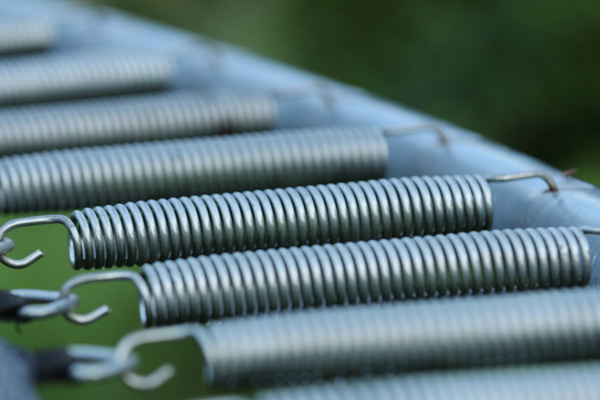
We know that within the elastic limit, the elongation (or contraction) of the spring is proportional to the external force.
2024-05-22
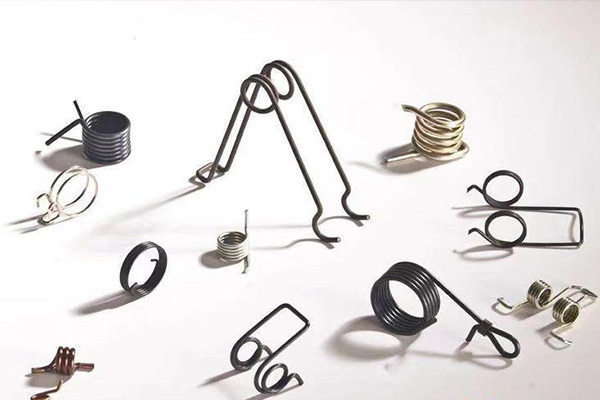
The current pattern of the spring industry
For the spring industry, for a long time, there has been an oversupply of low-grade ordinary springs.
2024-05-22
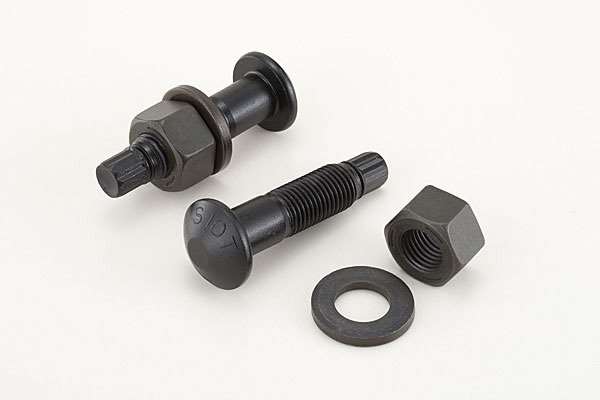
What material is generally used for high-strength bolts?
The upper limit of the tensile strength of the material used in high-strength bolts has a lot to do with the quenching treatment.
2024-05-22


Service E-mail
Service TEL
Address
Handan City, Hebei Province, China
To inquire about our products, please leave your email to us and we will contact you within 24 hours.
