



How Stainless Steel Pins are Revolutionizing Robotics and Automation
2026-08-16
How Stainless Steel Pins are Revolutionizing Robotics and Automation
Table of Contents
Introduction to Stainless Steel Pins in Robotics
Key Properties of Stainless Steel Pins
Applications of Stainless Steel Pins in Robotics and Automation
Role in Automation Systems
Contribution to Robotic Mechanisms
Advantages of Using Stainless Steel Pins
Manuf
How Stainless Steel Pins are Revolutionizing Robotics and Automation
Table of Contents
- Introduction to Stainless Steel Pins in Robotics
- Key Properties of Stainless Steel Pins
- Applications of Stainless Steel Pins in Robotics and Automation
- Advantages of Using Stainless Steel Pins
- Manufacturing Process of Stainless Steel Pins
- Maintenance of Stainless Steel Pins in Automated Systems
- Case Studies: Successful Implementations
- Future Trends in Robotics and Automation
- Conclusion
- Frequently Asked Questions (FAQs)
Introduction to Stainless Steel Pins in Robotics
Stainless steel pins play a pivotal role in the evolving fields of **robotics** and **automation**. These components are not merely fasteners; they serve as essential elements that ensure the reliability and efficiency of robotic systems. As industries continue to automate processes, the demand for durable and versatile components like stainless steel pins is escalating.
Stainless steel offers a unique combination of strength, corrosion resistance, and adaptability, making it an excellent choice for various robotic applications. In this article, we will explore the profound impact of stainless steel pins in robotics and automation, examining their properties, applications, advantages, and future prospects.
Key Properties of Stainless Steel Pins
Before delving into specific applications, it is essential to understand the properties that make stainless steel pins particularly suited for robotics and automation.
Corrosion Resistance
Stainless steel's inherent resistance to rust and corrosion ensures longevity, especially in environments exposed to moisture or varying temperatures. This property is vital in automated systems that operate continuously and may be subjected to harsh conditions.
High Strength-to-Weight Ratio
The lightweight nature of stainless steel pins combined with their high strength makes them ideal for robotic applications where weight is a critical factor. This property allows robots to be more efficient and agile.
Precision Manufacturing
Stainless steel pins can be manufactured with high precision, ensuring that the components fit perfectly within their designated systems. This precision is crucial for the smooth operation of robotic mechanisms.
Versatility in Design
Stainless steel pins can be produced in various shapes and sizes, accommodating a wide range of applications in robotics and automation. This versatility allows engineers to tailor designs to meet specific operational requirements.
Applications of Stainless Steel Pins in Robotics and Automation
The applications of stainless steel pins in robotics and automation are diverse and impactful. Here, we will examine their roles in both automation systems and robotic mechanisms.
Role in Automation Systems
In automation, stainless steel pins are utilized in various capacities, including but not limited to:
- **Fastening Components**: Pins provide secure fastening for components within automated machinery, ensuring everything stays in place during operation.
- **Alignment and Positioning**: Stainless steel pins can be used to align parts accurately, which is essential for machinery that requires precise movements.
- **Load-bearing Applications**: They often serve as load-bearing components, supporting the weight of various machinery parts without compromising structural integrity.
Contribution to Robotic Mechanisms
In robotics, stainless steel pins are crucial for:
- **Joints and Hinges**: Pins are often used in robotic joints, allowing for smooth and flexible movements. Their strength ensures that joints can withstand significant stress.
- **Linkages**: In robotic arms, stainless steel pins connect linkages and actuators, enabling complex movements and operations.
- **Mounting Points**: They serve as mounting points for sensors and cameras, essential for the functioning of autonomous robots.
Advantages of Using Stainless Steel Pins
The use of stainless steel pins in robotics and automation comes with numerous advantages:
Durability
Due to their resistance to corrosion and wear, stainless steel pins boast a longer lifespan than their alternatives, reducing the need for frequent replacements and maintenance.
Low Maintenance
Stainless steel pins require minimal maintenance, which is a significant advantage in industrial settings where downtime can be costly.
Cost-Effective
While the initial investment may be higher compared to other materials, the longevity and reduced need for replacements make stainless steel pins a cost-effective option in the long run.
Enhanced Performance
The properties of stainless steel ensure that pins perform effectively under various operational conditions, contributing to the overall efficiency of robotic and automated systems.
Manufacturing Process of Stainless Steel Pins
The manufacturing of stainless steel pins involves several critical steps:
Material Selection
High-quality stainless steel is chosen based on the required properties, considering factors like strength, corrosion resistance, and intended application.
Precision Machining
Modern manufacturing processes employ precision machining techniques, ensuring that pins are produced to exact specifications. This step is crucial for maintaining the integrity of robotic systems.
Quality Control
A thorough quality control process is implemented during manufacturing to ensure that each pin meets industry standards and specifications. This step is vital for reliability in automation and robotic applications.
Maintenance of Stainless Steel Pins in Automated Systems
While stainless steel pins require minimal maintenance, certain practices can extend their life:
Regular Inspections
Routine inspections can identify wear and tear, ensuring that any potential issues are addressed before they lead to failure.
Lubrication
Applying appropriate lubricants can reduce friction and wear, enhancing the performance and lifespan of stainless steel pins in moving components.
Cleaning
Keeping pins and their associated components clean can prevent the buildup of debris and contaminants, which can compromise functionality.
Case Studies: Successful Implementations
Several industries have successfully integrated stainless steel pins into their robotics and automation systems:
Automotive Industry
In automotive manufacturing, stainless steel pins play a critical role in assembly lines, facilitating the smooth operation of robotic arms and automated tools.
Aerospace Sector
The aerospace industry utilizes stainless steel pins for their lightweight and durable properties, ensuring the reliability of components in demanding environments.
Food Processing
In the food industry, stainless steel's corrosion resistance makes it an ideal choice for pins used in automated processing equipment, where hygiene is paramount.
Future Trends in Robotics and Automation
As technology advances, the role of stainless steel pins in robotics and automation is expected to evolve:
Smart Manufacturing
With the rise of smart manufacturing, the demand for reliable and durable components will only increase, positioning stainless steel pins favorably for future applications.
Integration with IoT
The integration of the Internet of Things (IoT) with automated systems will require components that can withstand increased connectivity and functionality, further solidifying the role of stainless steel pins.
Custom Solutions
Future developments may lead to more customized stainless steel pin solutions tailored for specific applications, enhancing the versatility and performance of robotic systems.
Conclusion
In conclusion, stainless steel pins are an invaluable component in the realms of robotics and automation. Their unique properties, diverse applications, and advantages make them essential for the efficient and reliable operation of advanced manufacturing systems. As industries continue to advance towards automation, the role of stainless steel pins will only grow, providing strength, precision, and durability that is critical for the future of technology.
Frequently Asked Questions (FAQs)
1. What are stainless steel pins made from?
Stainless steel pins are made from high-quality stainless steel, which is formulated to resist corrosion and offer high strength.
2. How are stainless steel pins used in robotics?
They are utilized in various applications such as joints, linkages, and fastening components within robotic systems.
3. What are the advantages of using stainless steel pins over other materials?
Stainless steel pins offer superior corrosion resistance, durability, lower maintenance requirements, and a high strength-to-weight ratio compared to other materials.
4. How can I maintain stainless steel pins in my automated systems?
Regular inspections, appropriate lubrication, and cleaning of the pins can help maintain their functionality and extend their lifespan.
5. Are there specific industries that benefit more from stainless steel pins?
Yes, industries such as automotive, aerospace, and food processing significantly benefit from the reliability and durability of stainless steel pins in their automated systems.
Key words:
RELATED INFORMATION
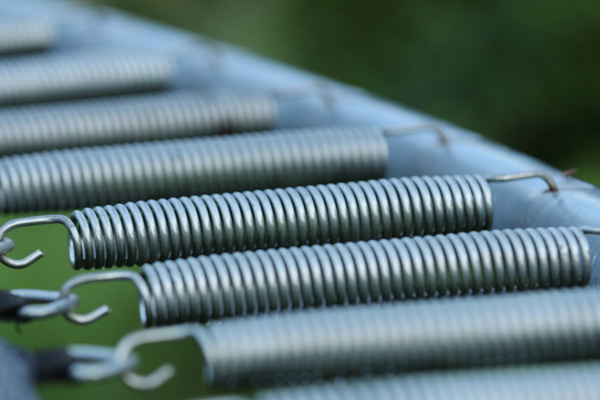
We know that within the elastic limit, the elongation (or contraction) of the spring is proportional to the external force.
2024-05-22
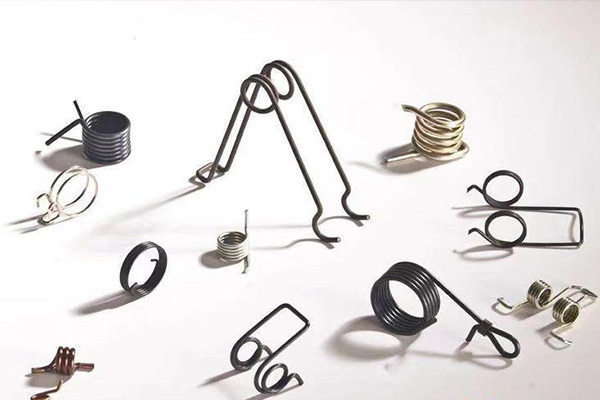
The current pattern of the spring industry
For the spring industry, for a long time, there has been an oversupply of low-grade ordinary springs.
2024-05-22
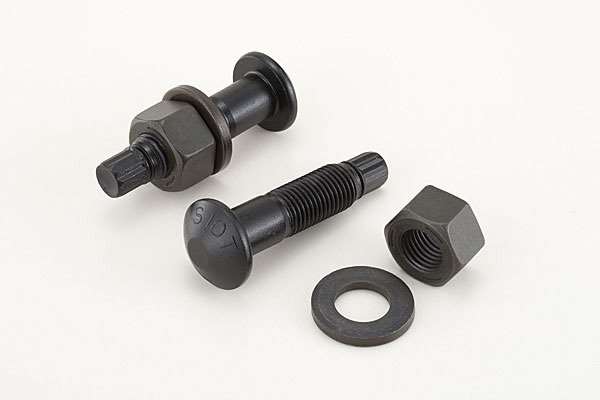
What material is generally used for high-strength bolts?
The upper limit of the tensile strength of the material used in high-strength bolts has a lot to do with the quenching treatment.
2024-05-22


Service E-mail
Service TEL
Address
Handan City, Hebei Province, China
To inquire about our products, please leave your email to us and we will contact you within 24 hours.
