



Understanding Welding Nails: Essential Insights for Industrial Fasteners
2026-07-26
Welding nails are specialized fasteners designed to create a robust bond between materials through a welding process. Unlike traditional nails or screws, welding nails are attached using heat, which melts the substrate material, allowing for a strong, permanent connection once cooled. This method is commonly used in construction, manufacturing, and automotive industries, where durability and stren
Welding nails are specialized fasteners designed to create a robust bond between materials through a welding process. Unlike traditional nails or screws, welding nails are attached using heat, which melts the substrate material, allowing for a strong, permanent connection once cooled. This method is commonly used in construction, manufacturing, and automotive industries, where durability and strength are paramount.
One of the key advantages of welding nails is their ability to provide a clean and flush finish. Since the welding process eliminates the need for pre-drilled holes, it minimizes the risk of material damage and leaves a smooth surface. This is particularly beneficial for applications where aesthetics are important or where a streamlined surface is required for functional purposes.
Additionally, welding nails exhibit excellent load-bearing capabilities, making them suitable for heavy-duty applications. Their strength derives from the fusion of materials, which results in a bond that can withstand significant mechanical stress. This quality is especially advantageous in environments subjected to vibrations or dynamic loads, as it reduces the likelihood of loosening over time.
When considering the use of welding nails, it is essential to evaluate the compatibility of the materials involved. Not all materials react the same way to welding processes; thus, understanding the specific characteristics of the base materials is crucial. For instance, welding nails work best with metals such as steel or aluminum. In contrast, non-metal materials may require different fastening techniques altogether.
Furthermore, safety and operational guidelines must be strictly adhered to when using welding nails. The welding process generates significant heat, which poses risks if proper precautions are not taken. Professionals should ensure that appropriate protective gear is worn and that the workspace is equipped with fire safety measures.
In conclusion, welding nails represent a powerful fastening solution for various industrial applications. Their ability to provide a secure bond, coupled with a clean finish and high load-bearing capacity, makes them an excellent choice for professionals in the field. Understanding the intricacies of their application and the materials involved will lead to more effective use and better project outcomes. For those in the industrial equipment and fastening sectors, leveraging the unique advantages of welding nails can enhance efficiency and quality in any project.
One of the key advantages of welding nails is their ability to provide a clean and flush finish. Since the welding process eliminates the need for pre-drilled holes, it minimizes the risk of material damage and leaves a smooth surface. This is particularly beneficial for applications where aesthetics are important or where a streamlined surface is required for functional purposes.
Additionally, welding nails exhibit excellent load-bearing capabilities, making them suitable for heavy-duty applications. Their strength derives from the fusion of materials, which results in a bond that can withstand significant mechanical stress. This quality is especially advantageous in environments subjected to vibrations or dynamic loads, as it reduces the likelihood of loosening over time.
When considering the use of welding nails, it is essential to evaluate the compatibility of the materials involved. Not all materials react the same way to welding processes; thus, understanding the specific characteristics of the base materials is crucial. For instance, welding nails work best with metals such as steel or aluminum. In contrast, non-metal materials may require different fastening techniques altogether.
Furthermore, safety and operational guidelines must be strictly adhered to when using welding nails. The welding process generates significant heat, which poses risks if proper precautions are not taken. Professionals should ensure that appropriate protective gear is worn and that the workspace is equipped with fire safety measures.
In conclusion, welding nails represent a powerful fastening solution for various industrial applications. Their ability to provide a secure bond, coupled with a clean finish and high load-bearing capacity, makes them an excellent choice for professionals in the field. Understanding the intricacies of their application and the materials involved will lead to more effective use and better project outcomes. For those in the industrial equipment and fastening sectors, leveraging the unique advantages of welding nails can enhance efficiency and quality in any project.
Key words:
RELATED INFORMATION
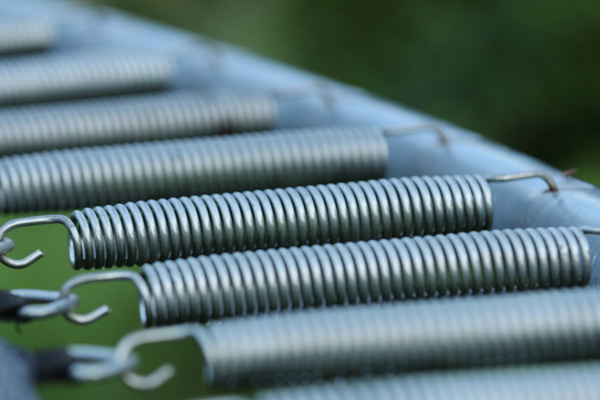
We know that within the elastic limit, the elongation (or contraction) of the spring is proportional to the external force.
2024-05-22
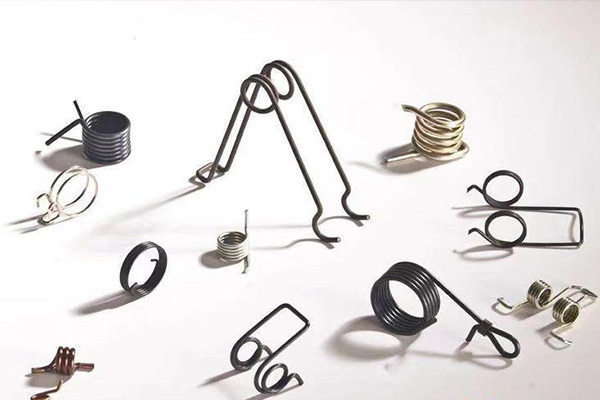
The current pattern of the spring industry
For the spring industry, for a long time, there has been an oversupply of low-grade ordinary springs.
2024-05-22
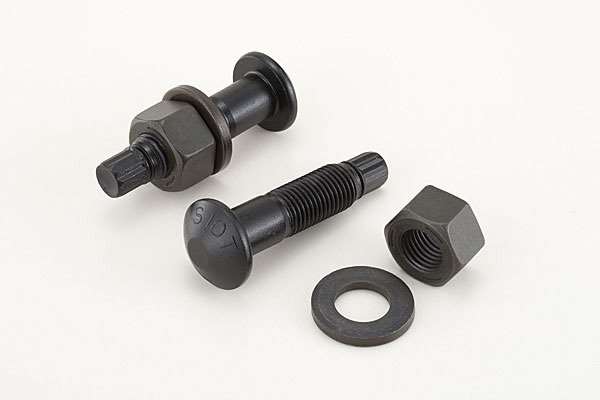
What material is generally used for high-strength bolts?
The upper limit of the tensile strength of the material used in high-strength bolts has a lot to do with the quenching treatment.
2024-05-22


Service E-mail
Service TEL
Address
Handan City, Hebei Province, China
To inquire about our products, please leave your email to us and we will contact you within 24 hours.
