



Essential Guide to Stainless Steel Drill Tail Wire: Features and Applications
2026-06-28
Stainless steel drill tail wire is an essential component in many industrial applications, particularly within the realm of fasteners and connectors. Known for its durability and resistance to corrosion, this type of wire is frequently utilized in various manufacturing processes where reliability and strength are paramount.
One of the key features of stainless steel drill tail wire is its high ten
Stainless steel drill tail wire is an essential component in many industrial applications, particularly within the realm of fasteners and connectors. Known for its durability and resistance to corrosion, this type of wire is frequently utilized in various manufacturing processes where reliability and strength are paramount.
One of the key features of stainless steel drill tail wire is its high tensile strength. This property enables it to withstand significant amounts of stress without deforming, making it an ideal choice for applications that require secure fastening. Additionally, the corrosion-resistant nature of stainless steel ensures that the wire maintains its integrity over time, even when exposed to harsh environments. This characteristic is especially important in industries such as construction, automotive, and aerospace, where safety and performance are critical.
Another advantage of stainless steel drill tail wire is its versatility. It can be used in a wide range of applications, including the assembly of components, securing machinery, and even in the manufacturing of various tools and equipment. Furthermore, the wire can be easily shaped and manipulated, allowing for custom solutions that meet specific project requirements. Whether you need a wire for electrical applications, plumbing fixtures, or general fastening, stainless steel drill tail wire can provide the necessary strength and reliability.
In addition to its mechanical properties, stainless steel drill tail wire is also valued for its aesthetic appeal. Its sleek, shiny finish not only enhances the overall appearance of the components it is used with but also contributes to the equipment's longevity. Since it doesn’t rust or tarnish like other materials, it requires less maintenance, ultimately reducing long-term operational costs.
Another noteworthy aspect of this wire is its ease of installation. Many users find that stainless steel drill tail wire can be easily integrated into existing systems without requiring extensive modifications. This ease of use can save time and resources, allowing businesses to focus on production rather than troubleshooting or repairs.
When considering the use of stainless steel drill tail wire in your projects, it is essential to assess the specific requirements, including tensile strength, diameter, and corrosion resistance needed for your application. By understanding these factors, you can make informed decisions that will lead to successful outcomes in your industrial operations.
In conclusion, stainless steel drill tail wire is a vital component in the industrial sector, offering exceptional strength, corrosion resistance, and versatility. Its wide range of applications and ease of use make it an indispensable tool for manufacturers and engineers alike. Investing in quality stainless steel drill tail wire can enhance both the performance and durability of your projects.
One of the key features of stainless steel drill tail wire is its high tensile strength. This property enables it to withstand significant amounts of stress without deforming, making it an ideal choice for applications that require secure fastening. Additionally, the corrosion-resistant nature of stainless steel ensures that the wire maintains its integrity over time, even when exposed to harsh environments. This characteristic is especially important in industries such as construction, automotive, and aerospace, where safety and performance are critical.
Another advantage of stainless steel drill tail wire is its versatility. It can be used in a wide range of applications, including the assembly of components, securing machinery, and even in the manufacturing of various tools and equipment. Furthermore, the wire can be easily shaped and manipulated, allowing for custom solutions that meet specific project requirements. Whether you need a wire for electrical applications, plumbing fixtures, or general fastening, stainless steel drill tail wire can provide the necessary strength and reliability.
In addition to its mechanical properties, stainless steel drill tail wire is also valued for its aesthetic appeal. Its sleek, shiny finish not only enhances the overall appearance of the components it is used with but also contributes to the equipment's longevity. Since it doesn’t rust or tarnish like other materials, it requires less maintenance, ultimately reducing long-term operational costs.
Another noteworthy aspect of this wire is its ease of installation. Many users find that stainless steel drill tail wire can be easily integrated into existing systems without requiring extensive modifications. This ease of use can save time and resources, allowing businesses to focus on production rather than troubleshooting or repairs.
When considering the use of stainless steel drill tail wire in your projects, it is essential to assess the specific requirements, including tensile strength, diameter, and corrosion resistance needed for your application. By understanding these factors, you can make informed decisions that will lead to successful outcomes in your industrial operations.
In conclusion, stainless steel drill tail wire is a vital component in the industrial sector, offering exceptional strength, corrosion resistance, and versatility. Its wide range of applications and ease of use make it an indispensable tool for manufacturers and engineers alike. Investing in quality stainless steel drill tail wire can enhance both the performance and durability of your projects.
Key words:
RELATED INFORMATION
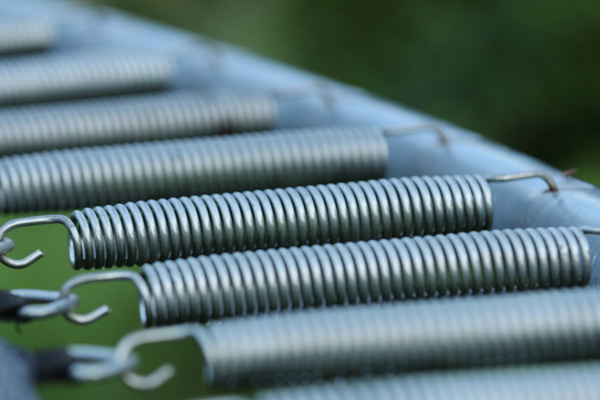
We know that within the elastic limit, the elongation (or contraction) of the spring is proportional to the external force.
2024-05-22
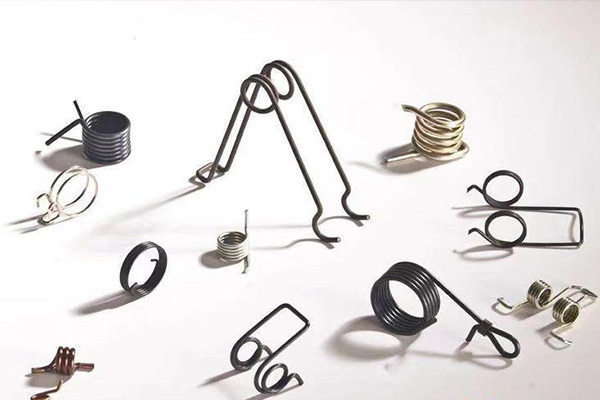
The current pattern of the spring industry
For the spring industry, for a long time, there has been an oversupply of low-grade ordinary springs.
2024-05-22
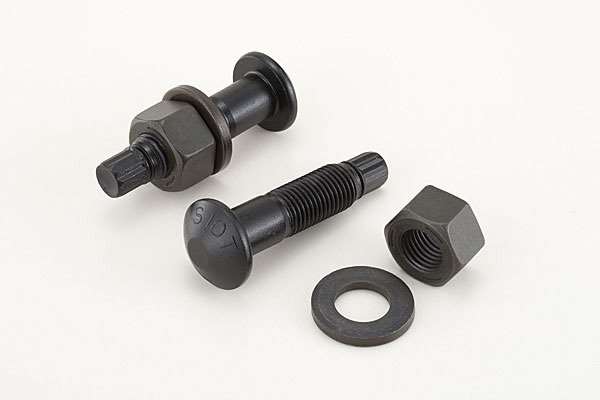
What material is generally used for high-strength bolts?
The upper limit of the tensile strength of the material used in high-strength bolts has a lot to do with the quenching treatment.
2024-05-22


Service E-mail
Service TEL
Address
Handan City, Hebei Province, China
To inquire about our products, please leave your email to us and we will contact you within 24 hours.
