



Using Stainless Steel Nuts for High-Temperature Applications: An In-Depth Guide
2026-04-26
Using Stainless Steel Nuts for High-Temperature Applications
Table of Contents
Introduction to Stainless Steel Nuts
Key Properties of Stainless Steel Nuts
Performance of Stainless Steel Nuts in High-Temperature Conditions
Common Applications of Stainless Steel Nuts
Different Grades of Stainless Steel Nuts
Criteria for Selecting the Right Stainless Steel Nuts
Installati
Using Stainless Steel Nuts for High-Temperature Applications
Table of Contents
- Introduction to Stainless Steel Nuts
- Key Properties of Stainless Steel Nuts
- Performance of Stainless Steel Nuts in High-Temperature Conditions
- Common Applications of Stainless Steel Nuts
- Different Grades of Stainless Steel Nuts
- Criteria for Selecting the Right Stainless Steel Nuts
- Installation Best Practices for High-Temperature Applications
- Maintaining Stainless Steel Nuts
- Frequently Asked Questions
- Conclusion
Introduction to Stainless Steel Nuts
Stainless steel nuts are essential components in various mechanical assemblies, particularly where high-temperature performance is crucial. They offer excellent strength and corrosion resistance, making them ideal for applications in industries such as aerospace, automotive, chemical processing, and oil and gas. Understanding their unique properties is vital for selecting the right fasteners that can endure extreme conditions without compromising structural integrity.
Key Properties of Stainless Steel Nuts
Stainless steel nuts possess several characteristics that distinguish them from traditional steel nuts. These properties include:
Corrosion Resistance
Stainless steel contains chromium, which forms a protective oxide layer, preventing rust and corrosion. This is especially important in high-temperature environments where moisture and chemicals can rapidly degrade inferior materials.
Heat Resistance
Stainless steel nuts can withstand elevated temperatures without losing their mechanical properties. This heat resistance is crucial for applications involving high thermal cycling or sustained heat exposure.
Durability
The inherent strength of stainless steel provides durability, allowing nuts to maintain their shape and function even under extreme mechanical stress.
Low Maintenance
Due to their corrosion resistance and durability, stainless steel nuts require minimal maintenance, reducing overall operational costs.
Performance of Stainless Steel Nuts in High-Temperature Conditions
In high-temperature settings, the performance of stainless steel nuts is paramount. The materials used must withstand thermal expansion without warping or failing. Let’s explore the aspects that contribute to their excellent performance:
Thermal Stability
Stainless steel nuts maintain structural integrity at temperatures exceeding 1000°F (540°C) depending on the grade. This thermal stability is essential for industries where equipment operates under high heat for prolonged periods.
Mechanical Strength
The mechanical strength of stainless steel nuts ensures they can resist deformation and loosening under high torque conditions. This reliability is critical in high-stakes environments such as power plants and aerospace applications.
Oxidation Resistance
High temperatures can lead to oxidation, which compromises the performance of standard nuts. Stainless steel nuts, particularly those with higher nickel content, offer superior oxidation resistance, prolonging their lifespan.
Common Applications of Stainless Steel Nuts
Stainless steel nuts find widespread use in various high-temperature applications. Here are some common areas where they excel:
Aerospace
In aerospace manufacturing, components experience extreme temperatures and pressures. Stainless steel nuts are commonly used in engines and airframes to ensure safety and reliability.
Chemical Processing
The chemical industry often utilizes high temperatures and corrosive environments. Stainless steel nuts are essential for securing equipment and piping in these challenging conditions.
Oil and Gas
Oil and gas extraction involves high-pressure and high-temperature environments. Utilizing stainless steel nuts in drilling rigs and pipelines enhances safety and durability.
Automotive
In automobiles, stainless steel nuts are frequently employed in exhaust systems, engine components, and suspension systems, where they must withstand high temperatures and vibrations.
Different Grades of Stainless Steel Nuts
When selecting stainless steel nuts for high-temperature use, it’s crucial to understand the different grades available. Common grades include:
304 Stainless Steel
This is the most widely used grade, known for its excellent corrosion resistance and moderate heat resistance. It’s suitable for many applications but may not withstand the highest temperatures.
316 Stainless Steel
316 grade offers enhanced corrosion resistance due to its molybdenum content, making it ideal for marine and chemical applications. It also performs well at elevated temperatures.
321 Stainless Steel
Designed for high-temperature applications, 321 stainless steel contains titanium, which stabilizes the structure and prevents carbide precipitation, making it suitable for prolonged exposure to high heat.
Criteria for Selecting the Right Stainless Steel Nuts
Choosing the appropriate stainless steel nuts for high-temperature applications involves considering several factors:
Temperature Range
Assess the operating temperature range of your application to determine which grade of stainless steel is most appropriate.
Corrosive Environment
Evaluate the presence of chemicals or corrosive elements in your application, as this will influence the grade of stainless steel you should choose.
Load Requirements
Calculate the mechanical load that the nuts must withstand to ensure they provide adequate strength and performance.
Installation Best Practices for High-Temperature Applications
Proper installation of stainless steel nuts is critical for performance. Follow these best practices:
Use of Torque Specifications
Always adhere to the manufacturer’s torque specifications to avoid under-tightening or over-tightening, which can lead to failure.
Lubrication
Using appropriate lubricants can help achieve correct torque and prevent galling during installation.
Inspection
Regularly inspect installed nuts for signs of wear or looseness, especially in high-stress environments.
Maintaining Stainless Steel Nuts
Maintaining stainless steel nuts enhances their longevity and reliability. Here are key maintenance tips:
Regular Cleaning
Keep nuts clean to prevent dirt and debris build-up, which can lead to corrosion or reduced performance.
Inspection for Deformation
Regularly check for signs of deformation or wear. Replacing damaged nuts promptly can prevent further issues.
Monitoring Environmental Conditions
Be aware of changes in environmental conditions, such as increased exposure to corrosive substances, which may affect performance.
Frequently Asked Questions
1. What are the advantages of using stainless steel nuts over other materials?
Stainless steel nuts offer superior corrosion resistance, durability, heat resistance, and low maintenance compared to other materials.
2. Can stainless steel nuts be used in all high-temperature applications?
While stainless steel nuts perform well in high temperatures, it’s essential to choose the right grade based on specific temperature and environmental conditions.
3. How do I know which grade of stainless steel nut to use?
Consider the operating temperature, corrosive environment, and mechanical load requirements when selecting the appropriate grade of stainless steel nut.
4. Do I need to use special tools for installing stainless steel nuts?
Standard tools can be used; however, following torque specifications is crucial to avoid damage during installation.
5. How often should I inspect stainless steel nuts in high-temperature applications?
Regular inspections should be conducted, particularly in high-stress environments, to ensure continued performance and safety.
Conclusion
Stainless steel nuts are indispensable components in high-temperature applications across various industries. Their superior properties, including corrosion resistance, durability, and heat stability, make them a reliable choice for ensuring the safety and longevity of mechanical assemblies. By understanding the different grades, proper selection criteria, installation best practices, and maintenance techniques, you can maximize the performance of stainless steel nuts in your operations. For any industry requiring reliable fasteners under extreme conditions, investing in high-quality stainless steel nuts is essential.
Key words:
RELATED INFORMATION
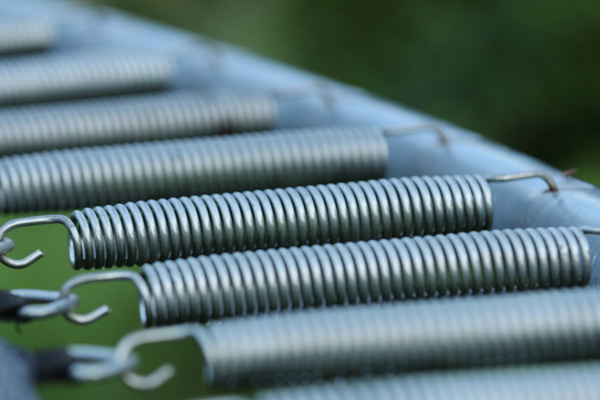
We know that within the elastic limit, the elongation (or contraction) of the spring is proportional to the external force.
2024-05-22
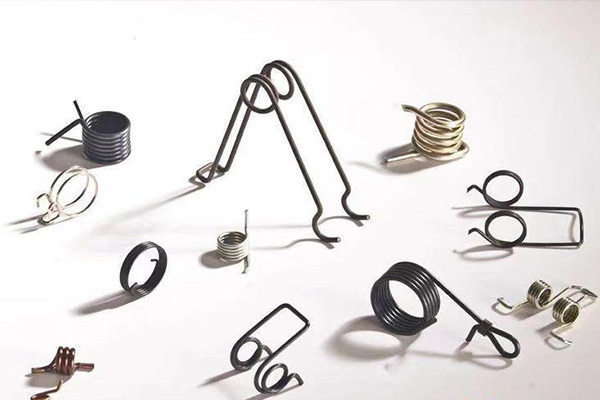
The current pattern of the spring industry
For the spring industry, for a long time, there has been an oversupply of low-grade ordinary springs.
2024-05-22
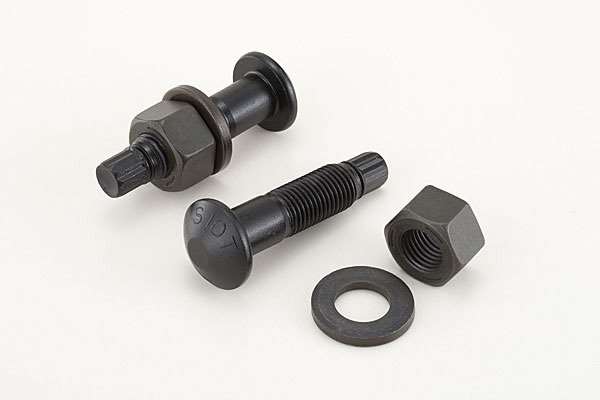
What material is generally used for high-strength bolts?
The upper limit of the tensile strength of the material used in high-strength bolts has a lot to do with the quenching treatment.
2024-05-22


Service E-mail
Service TEL
Address
Handan City, Hebei Province, China
To inquire about our products, please leave your email to us and we will contact you within 24 hours.
