



How Stainless Steel Nuts Contribute to Energy Efficiency in Industrial Applications
2026-03-15
How Stainless Steel Nuts Contribute to Energy Efficiency in Industrial Applications
Table of Contents
1. Introduction to Stainless Steel Nuts and Energy Efficiency
2. Understanding Energy Efficiency in Industrial Settings
3. The Role of Fasteners in Energy Optimization
4. Key Benefits of Using Stainless Steel Nuts
4.1 Durability and Lifespan
4.2 Co
How Stainless Steel Nuts Contribute to Energy Efficiency in Industrial Applications
Table of Contents
- 1. Introduction to Stainless Steel Nuts and Energy Efficiency
- 2. Understanding Energy Efficiency in Industrial Settings
- 3. The Role of Fasteners in Energy Optimization
- 4. Key Benefits of Using Stainless Steel Nuts
- 5. Impact of Stainless Steel Nuts on Energy Consumption
- 6. Case Studies on Energy Efficiency Gains
- 7. Sustainability and Eco-Friendliness of Stainless Steel Nuts
- 8. Conclusion: The Future of Energy Efficiency with Stainless Steel Nuts
1. Introduction to Stainless Steel Nuts and Energy Efficiency
In today's industrial landscape, **energy efficiency** has become a crucial objective. As manufacturers strive to reduce costs and lower their carbon footprints, the components used in machinery play a significant role. Among these components, **stainless steel nuts** are often overlooked, yet they contribute significantly to energy efficiency. These fasteners not only ensure structural integrity but also enhance the overall performance of machinery, leading to reduced energy consumption.
2. Understanding Energy Efficiency in Industrial Settings
Energy efficiency refers to using less energy to perform the same task. In industrial settings, this can translate to reduced operational costs and lower environmental impact. Efficient machinery and systems can significantly impact a company's bottom line, making energy efficiency a priority for many organizations.
3. The Role of Fasteners in Energy Optimization
Fasteners are critical components in any machinery or structure. They hold various parts together, ensuring operational reliability. When fasteners, particularly stainless steel nuts, are utilized effectively, they can enhance the performance of machinery. Through proper installation and use of high-quality materials, companies can achieve significant improvements in energy efficiency.
4. Key Benefits of Using Stainless Steel Nuts
Stainless steel nuts offer several benefits that contribute to energy efficiency. Below, we discuss some of the most significant advantages.
4.1 Durability and Lifespan
Stainless steel nuts exhibit remarkable durability, which translates into longer service life. Traditional fasteners may corrode or degrade over time, leading to frequent replacements and increased energy use during repairs. In contrast, stainless steel nuts withstand harsh conditions, reducing the need for maintenance and ensuring consistent performance.
4.2 Corrosion Resistance
Corrosion can significantly impact the performance of fasteners. Stainless steel is renowned for its **corrosion resistance**, making it an ideal choice for environments exposed to moisture, chemicals, or extreme temperatures. By preventing corrosion, stainless steel nuts maintain their integrity and functionality, reducing energy losses associated with equipment failures.
4.3 Heat Resistance
In many industrial applications, machinery operates at high temperatures. Stainless steel nuts can withstand these conditions without compromising their structural integrity. This heat resistance not only ensures reliable performance but also minimizes energy losses caused by equipment inefficiencies.
5. Impact of Stainless Steel Nuts on Energy Consumption
The use of stainless steel nuts can have a direct impact on energy consumption in various ways.
1. **Reduced Friction**: High-quality stainless steel nuts minimize friction between moving parts, leading to smoother operations and reduced energy loss.
2. **Lower Maintenance Costs**: With their durability and resistance to wear, stainless steel nuts require less frequent replacement, lowering maintenance costs and energy expenditure associated with repairs.
3. **Improved Machinery Efficiency**: The reliability of stainless steel nuts ensures that machinery operates at peak efficiency, further reducing energy consumption.
6. Case Studies on Energy Efficiency Gains
Several industries have reported significant energy savings through the implementation of stainless steel nuts. For example:
- **Manufacturing Industry**: A leading manufacturing plant switched to stainless steel nuts for their assembly lines. As a result, they reported a 15% decrease in energy consumption due to reduced equipment downtime.
- **Construction Sector**: A construction company utilized stainless steel nuts in their heavy machinery. They experienced fewer breakdowns, leading to a 20% reduction in maintenance-related energy costs.
These case studies illustrate the tangible benefits of incorporating stainless steel nuts into industrial applications.
7. Sustainability and Eco-Friendliness of Stainless Steel Nuts
In an era where sustainability is paramount, stainless steel nuts stand out as an eco-friendly choice. Their longevity and resistance to corrosion mean fewer replacements and less waste. Furthermore, stainless steel is recyclable, which aligns with sustainable practices and reduces the environmental impact associated with manufacturing new fasteners.
8. Conclusion: The Future of Energy Efficiency with Stainless Steel Nuts
Stainless steel nuts play an invaluable role in contributing to energy efficiency in industrial settings. Their durability, corrosion resistance, and heat resistance make them an ideal choice for various applications. By reducing maintenance costs and enhancing machinery efficiency, these fasteners not only help companies save on energy expenses but also contribute to a more sustainable future. As industries continue to prioritize energy efficiency, the adoption of stainless steel nuts will undoubtedly become more prevalent, ensuring operational excellence and environmental responsibility.
FAQs
1. What are stainless steel nuts made of?
Stainless steel nuts are made from stainless steel alloys, which are known for their corrosion resistance and durability.
2. How do stainless steel nuts improve energy efficiency?
By minimizing friction and reducing the need for frequent replacements, stainless steel nuts enhance machinery efficiency, leading to lower energy consumption.
3. Are stainless steel nuts suitable for outdoor use?
Yes, stainless steel nuts are ideal for outdoor applications due to their corrosion resistance, making them perfect for various weather conditions.
4. How do I choose the right stainless steel nuts for my application?
Consider factors such as load requirements, environmental conditions, and compatibility with other materials when selecting stainless steel nuts.
5. Can stainless steel nuts be reused?
Stainless steel nuts can often be reused if they have not been damaged or worn during previous use, making them a sustainable option.
Through understanding the vital role that stainless steel nuts play in energy efficiency, industries can make informed decisions that lead to cost savings and contribute to a sustainable future.
Key words:
RELATED INFORMATION
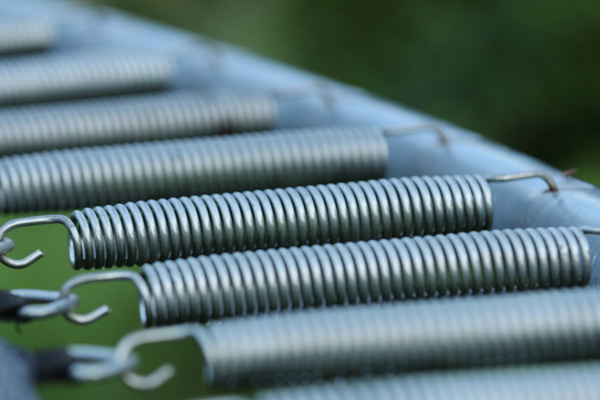
We know that within the elastic limit, the elongation (or contraction) of the spring is proportional to the external force.
2024-05-22
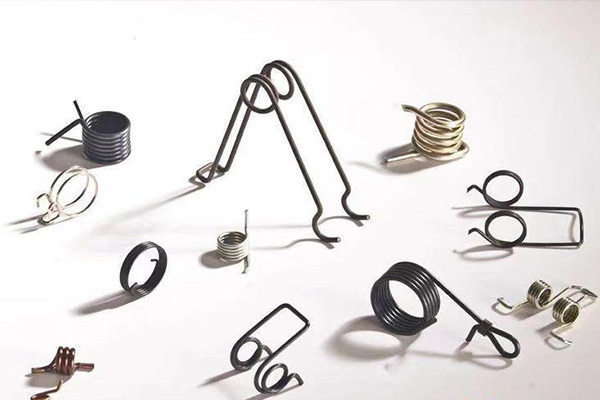
The current pattern of the spring industry
For the spring industry, for a long time, there has been an oversupply of low-grade ordinary springs.
2024-05-22
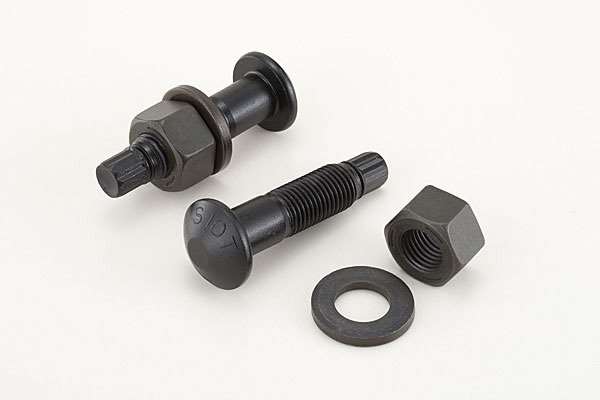
What material is generally used for high-strength bolts?
The upper limit of the tensile strength of the material used in high-strength bolts has a lot to do with the quenching treatment.
2024-05-22


Service E-mail
Service TEL
Address
Handan City, Hebei Province, China
To inquire about our products, please leave your email to us and we will contact you within 24 hours.
