



Understanding the Role and Applications of Welding Nails in Industrial Fastening
2026-02-20
Welding nails, often referred to as stud welds, serve as critical fastening solutions in numerous industrial applications. Unlike traditional fasteners, welding nails utilize a unique welding technique to create a strong bond between materials, which can include metals, plastics, and composites. This technique not only ensures a secure connection but also minimizes the need for additional hardware
Welding nails, often referred to as stud welds, serve as critical fastening solutions in numerous industrial applications. Unlike traditional fasteners, welding nails utilize a unique welding technique to create a strong bond between materials, which can include metals, plastics, and composites. This technique not only ensures a secure connection but also minimizes the need for additional hardware, contributing to more streamlined assembly processes.
One of the primary advantages of welding nails is their ability to provide a permanent connection. This characteristic is particularly beneficial in applications where vibration, shock, or tensile loads are present. For instance, in construction and automotive industries, components are often subject to extreme conditions, and a robust fastening solution is essential to maintain structural integrity. Welding nails ensure that these connections remain intact over time, reducing the risk of failure.
Moreover, the welding process involved in applying these nails allows for a high degree of precision. Welding nails can be placed accurately in predetermined locations, ensuring optimal load distribution. This precision is particularly beneficial in applications such as aerospace and manufacturing, where dimensional accuracy is paramount. The ability to integrate welding nails into automated processes further enhances efficiency and productivity, reducing labor costs associated with manual fastening methods.
The choice of materials for welding nails is also a crucial consideration. Typically, these nails are produced from high-strength steel or stainless steel, offering excellent resistance to corrosion and wear. This durability is essential in environments exposed to harsh chemicals or extreme weather conditions. Additionally, surface treatments can be applied to enhance the corrosion resistance and aesthetic appeal of welding nails, ensuring their suitability for various applications.
In terms of environmental considerations, welding nails can contribute to sustainability within the industrial sector. The reduction of additional fasteners and the use of recyclable materials in the production of welding nails align with eco-friendly practices. This aspect is increasingly important as industries strive to minimize waste and implement greener manufacturing processes.
In summary, welding nails play a vital role in the fastening landscape of industrial equipment and components. Their unique properties, such as the ability to withstand extreme conditions, precision placement, and durable materials, make them an ideal choice for a variety of applications. As industries continue to evolve, understanding the benefits and applications of welding nails will enable professionals to make informed decisions that enhance operational efficiency and product reliability.
One of the primary advantages of welding nails is their ability to provide a permanent connection. This characteristic is particularly beneficial in applications where vibration, shock, or tensile loads are present. For instance, in construction and automotive industries, components are often subject to extreme conditions, and a robust fastening solution is essential to maintain structural integrity. Welding nails ensure that these connections remain intact over time, reducing the risk of failure.
Moreover, the welding process involved in applying these nails allows for a high degree of precision. Welding nails can be placed accurately in predetermined locations, ensuring optimal load distribution. This precision is particularly beneficial in applications such as aerospace and manufacturing, where dimensional accuracy is paramount. The ability to integrate welding nails into automated processes further enhances efficiency and productivity, reducing labor costs associated with manual fastening methods.
The choice of materials for welding nails is also a crucial consideration. Typically, these nails are produced from high-strength steel or stainless steel, offering excellent resistance to corrosion and wear. This durability is essential in environments exposed to harsh chemicals or extreme weather conditions. Additionally, surface treatments can be applied to enhance the corrosion resistance and aesthetic appeal of welding nails, ensuring their suitability for various applications.
In terms of environmental considerations, welding nails can contribute to sustainability within the industrial sector. The reduction of additional fasteners and the use of recyclable materials in the production of welding nails align with eco-friendly practices. This aspect is increasingly important as industries strive to minimize waste and implement greener manufacturing processes.
In summary, welding nails play a vital role in the fastening landscape of industrial equipment and components. Their unique properties, such as the ability to withstand extreme conditions, precision placement, and durable materials, make them an ideal choice for a variety of applications. As industries continue to evolve, understanding the benefits and applications of welding nails will enable professionals to make informed decisions that enhance operational efficiency and product reliability.
Key words:
RELATED INFORMATION
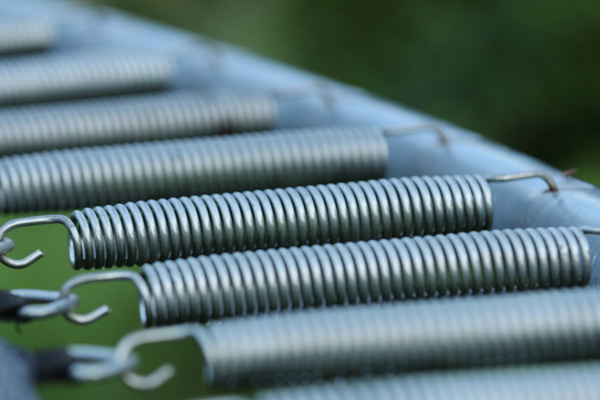
We know that within the elastic limit, the elongation (or contraction) of the spring is proportional to the external force.
2024-05-22
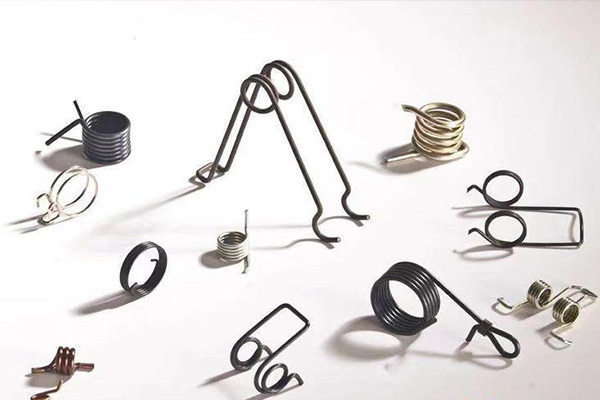
The current pattern of the spring industry
For the spring industry, for a long time, there has been an oversupply of low-grade ordinary springs.
2024-05-22
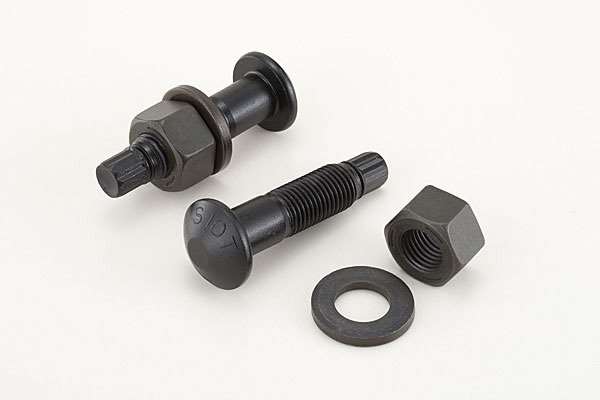
What material is generally used for high-strength bolts?
The upper limit of the tensile strength of the material used in high-strength bolts has a lot to do with the quenching treatment.
2024-05-22


Service E-mail
Service TEL
Address
Handan City, Hebei Province, China
To inquire about our products, please leave your email to us and we will contact you within 24 hours.
