



Exploring the Crucial Role of Embedded Parts in Modern Industrial Equipment
2026-02-15
Exploring the Crucial Role of Embedded Parts in Modern Industrial Equipment
Table of Contents
1. Introduction to Embedded Parts in Industrial Equipment
2. What Are Embedded Parts?
3. Types of Embedded Parts in Industrial Applications
3.1 Fasteners
3.2 Connectors
3.3 Other Embedded Components
4. Importance of Embedded Parts in I
Exploring the Crucial Role of Embedded Parts in Modern Industrial Equipment
Table of Contents
- 1. Introduction to Embedded Parts in Industrial Equipment
- 2. What Are Embedded Parts?
- 3. Types of Embedded Parts in Industrial Applications
- 4. Importance of Embedded Parts in Industrial Equipment
- 5. Applications of Embedded Parts Across Industries
- 6. Challenges in Choosing Embedded Parts
- 7. The Future of Embedded Parts in Industrial Equipment
- 8. Conclusion
- 9. Frequently Asked Questions
1. Introduction to Embedded Parts in Industrial Equipment
In today's rapidly evolving industrial landscape, **embedded parts** play a pivotal role in ensuring the efficiency and functionality of equipment. As industries strive for innovation and better performance, understanding the intricacies of these components becomes essential. Embedded parts, often overlooked, are fundamental to the operation, longevity, and safety of various machinery and tools.
2. What Are Embedded Parts?
Embedded parts are components integrated into machinery and equipment to improve their functionality and performance. These parts can be mechanical, electrical, or electronic and serve to connect, fasten, or interface between different elements of industrial equipment. Their design and application significantly influence the overall efficacy of the machinery in which they are used.
3. Types of Embedded Parts in Industrial Applications
Industrial equipment encompasses a variety of embedded parts, each serving a unique function. Below, we explore the most common types of embedded parts used across various industries.
3.1 Fasteners
Fasteners are critical in ensuring the structural integrity of industrial equipment. They include bolts, screws, nuts, and rivets, which secure different parts together. The choice of fasteners affects the durability and reliability of the equipment, making it essential to select the right type for specific applications.
3.2 Connectors
Connectors are essential for electrical connectivity in industrial equipment. They facilitate the transmission of power and signals between different components, thereby enhancing the functionality of the equipment. With advancements in technology, modern connectors are designed for high performance, ensuring safety and efficiency.
3.3 Other Embedded Components
Beyond fasteners and connectors, other embedded components such as bearings, seals, and gaskets also play crucial roles in industrial machinery. These parts contribute to the smooth operation of equipment by reducing friction, preventing leakage, and maintaining operational efficiency.
4. Importance of Embedded Parts in Industrial Equipment
Embedded parts are vital for several reasons:
1. **Performance Efficiency**: Quality embedded parts enhance the performance of industrial equipment, ensuring that they operate at optimal levels.
2. **Durability**: Properly selected and installed embedded parts contribute to the longevity of machinery, reducing the need for frequent repairs and replacements.
3. **Safety**: Reliable embedded components help prevent equipment failures that could lead to accidents and injuries, thus ensuring a safer work environment.
4. **Cost-effectiveness**: Investing in high-quality embedded parts can lead to significant cost savings over time due to reduced maintenance and improved equipment lifespan.
5. Applications of Embedded Parts Across Industries
Embedded parts find applications in various sectors, including:
- **Manufacturing**: Used in machinery for assembly lines, embedded parts ensure efficiency and reliability in production processes.
- **Automotive**: In vehicles, embedded components are integral to everything from engine assemblies to electrical systems, ensuring safety and performance.
- **Aerospace**: High-performance embedded parts are crucial in aircraft, where they must withstand extreme conditions and ensure safety.
- **Healthcare**: Medical equipment relies on embedded parts for precision and reliability, impacting patient care and treatment outcomes.
6. Challenges in Choosing Embedded Parts
Selecting the right embedded parts can pose challenges, including:
- **Material Selection**: Choosing the right material for specific applications is crucial; it affects durability, cost, and performance.
- **Compatibility**: Ensuring that embedded parts are compatible with existing machinery is vital to avoid operational issues.
- **Quality Assurance**: Sourcing high-quality parts from reliable manufacturers is essential to minimize failures and maintain performance.
7. The Future of Embedded Parts in Industrial Equipment
The future of embedded parts is closely tied to technological advancements. With the rise of smart manufacturing and Industry 4.0, embedded components are evolving to support automation, data collection, and real-time monitoring. Innovations such as IoT-integrated parts will enhance efficiency and pave the way for predictive maintenance, further pushing the boundaries of what industrial equipment can achieve.
8. Conclusion
Embedded parts are at the heart of modern industrial equipment, playing a crucial role in performance, safety, and durability. As industries continue to innovate, the importance of these components cannot be overstated. Understanding their functions, applications, and the challenges involved in selecting them is essential for any organization looking to enhance its operational capabilities. By investing in high-quality embedded parts, businesses can ensure they remain competitive in a fast-changing landscape.
9. Frequently Asked Questions
What are embedded parts in industrial equipment?
Embedded parts are integral components within machinery that enhance functionality, including fasteners, connectors, and other mechanical or electronic elements.
Why are embedded parts important?
They ensure the performance, durability, and safety of industrial equipment, ultimately contributing to cost savings and operational efficiency.
What types of embedded parts are commonly used?
Common types include fasteners (bolts, screws), connectors (electrical connections), bearings, seals, and gaskets.
What challenges exist when selecting embedded parts?
Challenges include material selection, compatibility with existing machinery, and ensuring quality from manufacturers.
How are embedded parts evolving with technology?
Advancements in technology are leading to the integration of IoT capabilities in embedded parts, enhancing efficiency and enabling predictive maintenance in industrial operations.
In summary, embedded parts are indispensable to modern industrial equipment. Their critical role in enhancing machinery performance and longevity cannot be overlooked, making them a focal point for industries aiming for innovation and efficiency.
Key words:
RELATED INFORMATION
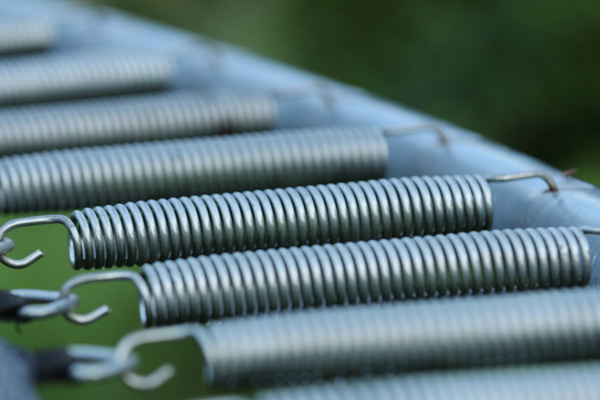
We know that within the elastic limit, the elongation (or contraction) of the spring is proportional to the external force.
2024-05-22
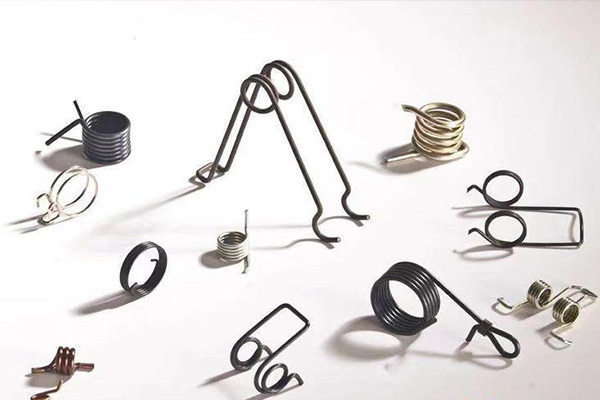
The current pattern of the spring industry
For the spring industry, for a long time, there has been an oversupply of low-grade ordinary springs.
2024-05-22
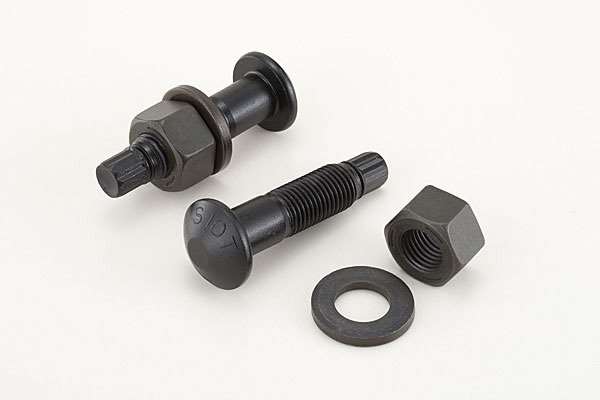
What material is generally used for high-strength bolts?
The upper limit of the tensile strength of the material used in high-strength bolts has a lot to do with the quenching treatment.
2024-05-22


Service E-mail
Service TEL
Address
Handan City, Hebei Province, China
To inquire about our products, please leave your email to us and we will contact you within 24 hours.
