



How Stainless Steel Nuts Are Revolutionizing the Automotive Industry
2026-01-24
How Stainless Steel Nuts Are Revolutionizing the Automotive Industry
Table of Contents
1. Introduction to Stainless Steel Nuts in Automotive Applications
2. The Unique Properties of Stainless Steel Nuts
2.1 Corrosion Resistance
2.2 Strength and Durability
3. Key Advantages of Using Stainless Steel Nuts
3.1 Enhanced Performance and Reliability
3.2 Weight Reduction and Fuel Efficiency
4. Common Appl
How Stainless Steel Nuts Are Revolutionizing the Automotive Industry
Table of Contents
1. Introduction to Stainless Steel Nuts in Automotive Applications
2. The Unique Properties of Stainless Steel Nuts
2.1 Corrosion Resistance
2.2 Strength and Durability
3. Key Advantages of Using Stainless Steel Nuts
3.1 Enhanced Performance and Reliability
3.2 Weight Reduction and Fuel Efficiency
4. Common Applications in the Automotive Sector
4.1 Engine Components
4.2 Suspension Systems
4.3 Body and Chassis Assembly
5. The Manufacturing Process of Stainless Steel Nuts
6. Future Innovations in Fastening Technology
7. Frequently Asked Questions (FAQs)
8. Conclusion
1. Introduction to Stainless Steel Nuts in Automotive Applications
In the rapidly evolving automotive industry, every component plays a crucial role in the overall performance and safety of vehicles. Among these components, **stainless steel nuts** have emerged as a game-changer, offering unparalleled benefits that are transforming how vehicles are engineered and manufactured. As automotive manufacturers seek to enhance durability, reduce weight, and improve efficiency, the adoption of stainless steel nuts has marked a significant shift in fastening solutions.
2. The Unique Properties of Stainless Steel Nuts
Stainless steel nuts are not merely a replacement for traditional fastening solutions; they introduce unique properties that make them particularly suited for the automotive sector.
2.1 Corrosion Resistance
One of the standout features of stainless steel nuts is their exceptional **corrosion resistance**. This property is vital in automotive applications where components are subjected to harsh environmental conditions, including moisture, salt, and various chemicals. Stainless steel nuts maintain their integrity and functionality over time, leading to reduced maintenance costs and increased vehicle longevity.
2.2 Strength and Durability
Stainless steel nuts exhibit superior **strength and durability** compared to their counterparts made from carbon steel or other materials. This strength is crucial for automotive applications, where vibrations and stresses can compromise the integrity of fastening systems. By utilizing stainless steel nuts, manufacturers can ensure that joints remain secure, enhancing overall vehicle performance.
3. Key Advantages of Using Stainless Steel Nuts
The benefits of incorporating stainless steel nuts into automotive designs go beyond mere durability.
3.1 Enhanced Performance and Reliability
Using stainless steel nuts contributes to **enhanced performance and reliability** in vehicles. Their ability to withstand extreme conditions without compromising integrity ensures that critical components, such as the engine and suspension systems, function optimally. This reliability translates to improved safety for drivers and passengers alike.
3.2 Weight Reduction and Fuel Efficiency
In the quest for **fuel efficiency**, every ounce counts. Stainless steel nuts are often lighter than traditional steel components, contributing to a reduction in the overall weight of the vehicle. This weight reduction not only improves fuel economy but also enhances handling and performance, making it a win-win for manufacturers and consumers.
4. Common Applications in the Automotive Sector
Stainless steel nuts are versatile components that find applications across various automotive systems.
4.1 Engine Components
In engine assemblies, stainless steel nuts are commonly used to secure critical components such as cylinder heads and manifolds. Their resistance to heat and corrosion ensures that engine performance remains optimal over extended periods.
4.2 Suspension Systems
The suspension system is vital for comfort and vehicle handling. Stainless steel nuts are employed to secure various suspension components, providing reliability and longevity even under extreme driving conditions.
4.3 Body and Chassis Assembly
In the body and chassis assembly, stainless steel nuts contribute to the overall structural integrity of the vehicle. Their strength ensures that body panels remain securely attached, which is crucial for safety and performance.
5. The Manufacturing Process of Stainless Steel Nuts
The manufacturing of stainless steel nuts involves precision engineering and quality control. Typically, these nuts are produced through processes that include cutting, shaping, and heat treatment to enhance their properties. Advanced techniques such as cold heading and machining ensure that the final product meets stringent automotive standards.
6. Future Innovations in Fastening Technology
As the automotive industry continues to innovate, the role of stainless steel nuts is expected to evolve. Emerging technologies, such as smart nuts with integrated sensors, promise to provide real-time feedback on the condition of fastening systems. This advancement could lead to predictive maintenance, enhancing vehicle safety and reliability even further.
7. Frequently Asked Questions (FAQs)
1. What are the benefits of using stainless steel nuts in automotive applications?
Stainless steel nuts offer corrosion resistance, strength, durability, and weight reduction, leading to enhanced vehicle performance and longevity.
2. How do stainless steel nuts compare to traditional steel nuts?
Stainless steel nuts provide superior corrosion resistance and strength, making them ideal for harsh automotive environments.
3. Are stainless steel nuts more expensive than traditional nuts?
While the initial cost may be higher, the long-term benefits of reduced maintenance and improved performance often make stainless steel nuts a cost-effective choice.
4. Can stainless steel nuts be used in all automotive applications?
Yes, stainless steel nuts can be utilized in most automotive applications, including engines, suspension systems, and body assemblies.
5. What is the future of stainless steel nuts in the automotive industry?
Future innovations may include smart fastening solutions and advancements in manufacturing techniques, further enhancing the capabilities of stainless steel nuts in automotive applications.
8. Conclusion
The revolution brought about by **stainless steel nuts** in the automotive industry cannot be understated. Their unique properties, such as corrosion resistance and durability, combined with the significant advantages they offer, make them an ideal choice for modern automotive manufacturing. As we move toward a future of smarter, more efficient vehicles, the role of stainless steel nuts is set to expand, paving the way for innovations that enhance safety, performance, and sustainability. With their ability to withstand the rigors of the automotive environment, stainless steel nuts are undoubtedly leading the charge in the evolution of fastening technology.
Key words:
RELATED INFORMATION
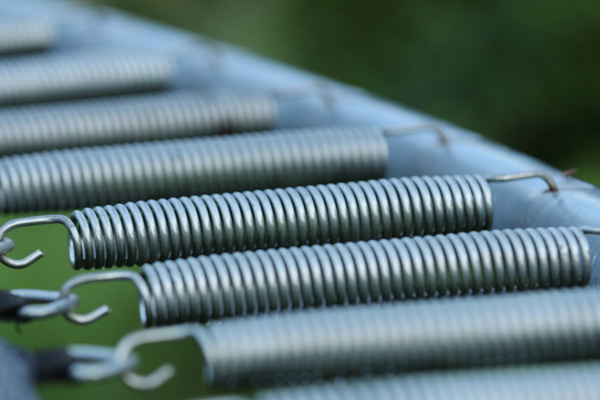
We know that within the elastic limit, the elongation (or contraction) of the spring is proportional to the external force.
2024-05-22
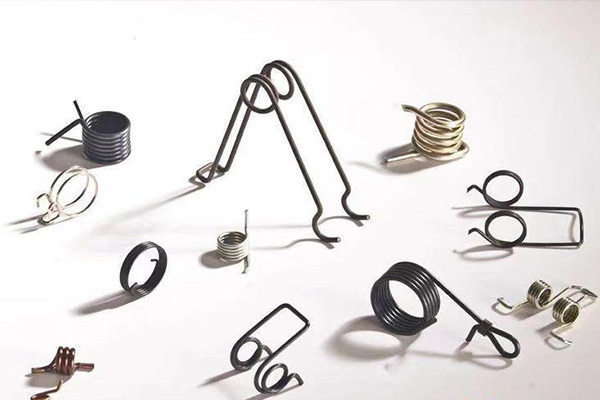
The current pattern of the spring industry
For the spring industry, for a long time, there has been an oversupply of low-grade ordinary springs.
2024-05-22
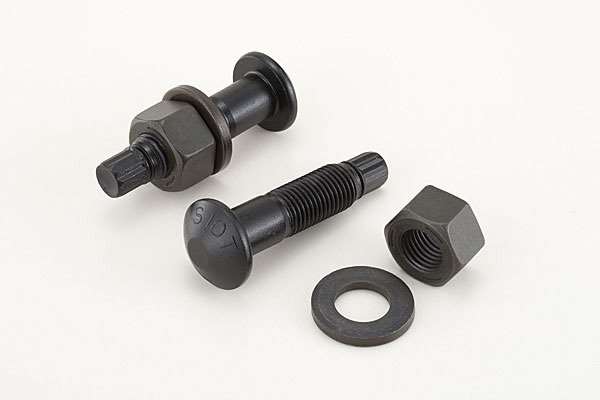
What material is generally used for high-strength bolts?
The upper limit of the tensile strength of the material used in high-strength bolts has a lot to do with the quenching treatment.
2024-05-22


Service E-mail
Service TEL
Address
Handan City, Hebei Province, China
To inquire about our products, please leave your email to us and we will contact you within 24 hours.
