



A Comprehensive Overview of Stainless Steel Pin Specifications: Essential Guide for Industry Professionals
2026-01-22
A Comprehensive Overview of Stainless Steel Pin Specifications
Table of Contents
1. Introduction to Stainless Steel Pins
2. Understanding Material Grades of Stainless Steel
3. Different Types of Stainless Steel Pins
3.1 Cotter Pins
3.2 Clevis Pins
3.3 Dowel Pins
4. Standard Dimensions and Sizes
5. Applications of Stain
A Comprehensive Overview of Stainless Steel Pin Specifications
Table of Contents
- 1. Introduction to Stainless Steel Pins
- 2. Understanding Material Grades of Stainless Steel
- 3. Different Types of Stainless Steel Pins
- 4. Standard Dimensions and Sizes
- 5. Applications of Stainless Steel Pins
- 6. Criteria for Selecting Stainless Steel Pins
- 7. Maintenance and Care for Stainless Steel Pins
- 8. Frequently Asked Questions (FAQs)
- 9. Conclusion
1. Introduction to Stainless Steel Pins
Stainless steel pins are essential components used in various industrial applications. Known for their strength, durability, and corrosion resistance, these pins are integral to mechanical assemblies, fastening applications, and structural components. This comprehensive overview highlights the specifications, types, and uses of stainless steel pins, enabling professionals to make informed decisions in their respective industries.
2. Understanding Material Grades of Stainless Steel
Stainless steel is categorized into different grades, each imparting unique properties to the pins made from it. The most common grades include:
2.1 Grade 304
Grade 304 is the most widely used stainless steel grade. It offers good corrosion resistance, ease of fabrication, and excellent weldability. This grade is suitable for general-purpose applications where moderate levels of corrosion protection are required.
2.2 Grade 316
Grade 316 stainless steel is known for its superior corrosion resistance, particularly in marine environments. This grade is often employed in applications where exposure to chlorides and harsh chemicals is a concern.
2.3 Grade 410
Grade 410 is a heat-treatable stainless steel that provides good wear resistance and strength. It is commonly used in applications like cutting tools and fasteners that need to maintain sharpness and durability.
3. Different Types of Stainless Steel Pins
Various types of stainless steel pins serve different purposes in industrial applications. Understanding these types can help in selecting the right pin for your needs.
3.1 Cotter Pins
Cotter pins are used to secure other fasteners and prevent them from loosening. They are typically inserted through a hole in a fastener and bent to lock them in place.
3.2 Clevis Pins
Clevis pins feature a head on one end and a hole on the other for a cotter pin or similar retaining mechanism. They are often used in applications requiring a pivot point, such as in machinery and suspension systems.
3.3 Dowel Pins
Dowel pins provide precise alignment and support between two components. Used widely in woodworking and metalworking, they ensure correct positioning during assembly.
4. Standard Dimensions and Sizes
Stainless steel pins come in various dimensions and sizes, tailored to specific applications. The most common specifications include:
4.1 Diameter
The diameter of stainless steel pins typically ranges from 1 mm to 20 mm, depending on the type and application.
4.2 Length
Pin lengths can vary significantly, often ranging from 5 mm to 200 mm, allowing for flexibility in design and assembly.
4.3 Tolerance
Manufacturers often provide specific tolerances for pin dimensions to ensure proper fit and function, making it crucial to check specifications when selecting pins.
5. Applications of Stainless Steel Pins
Stainless steel pins find applications across various industries due to their reliability and performance. Key applications include:
5.1 Automotive
In the automotive industry, stainless steel pins are employed in suspension systems, engine components, and fastening applications due to their strength and resistance to corrosion.
5.2 Aerospace
Aerospace applications often require high-strength pins that can withstand extreme temperatures and pressures. Stainless steel pins are used in aircraft assembly and component fastening.
5.3 Construction
In construction, stainless steel pins are utilized in scaffolding, structural supports, and equipment assembly, ensuring safety and durability.
6. Criteria for Selecting Stainless Steel Pins
Choosing the right stainless steel pin involves considering several factors:
6.1 Environmental Conditions
Assess the environment in which the pins will be used. For marine or corrosive environments, opt for higher-grade stainless steel like 316.
6.2 Load Requirements
Consider the load and stress the pins will bear. Ensure the selected pins can handle the required strength and performance.
6.3 Compatibility
Ensure that the materials of the pin are compatible with the surrounding components to prevent galvanic corrosion and ensure longevity.
7. Maintenance and Care for Stainless Steel Pins
To ensure the longevity of stainless steel pins, proper maintenance is essential:
7.1 Regular Inspection
Conduct routine inspections to check for signs of wear, corrosion, or damage. Replace pins that show significant wear to prevent failure.
7.2 Cleanliness
Keep pins clean and free from debris. Use appropriate cleaning agents that do not damage the stainless steel surface to maintain their integrity.
7.3 Storage
Store stainless steel pins in a dry environment to prevent moisture accumulation, which can lead to corrosion over time.
8. Frequently Asked Questions (FAQs)
8.1 What is the difference between stainless steel and regular steel pins?
Stainless steel pins have higher corrosion resistance compared to regular steel pins, making them suitable for a variety of applications in harsh environments.
8.2 Can stainless steel pins be used in marine applications?
Yes, certain grades of stainless steel, such as 316, are specifically designed for marine environments due to their excellent resistance to saltwater corrosion.
8.3 How do I choose the right size of stainless steel pin?
Consider the diameter, length, and tolerance needed for your specific application. Ensure the pin can handle the intended load and fit securely within the assembly.
8.4 Are stainless steel pins reusable?
Stainless steel pins can often be reused if they show no signs of wear or damage. However, inspect them carefully before reinstallation.
8.5 What maintenance is required for stainless steel pins?
Regular inspection, cleaning, and proper storage are crucial to maintaining the integrity and performance of stainless steel pins.
9. Conclusion
Stainless steel pins are vital components in various industries, providing strength, durability, and resistance to corrosion. Understanding their specifications, types, and applications can empower professionals to make informed decisions when selecting the right pins for their projects. By considering factors such as material grade, dimensions, and environmental conditions, one can ensure optimal performance and longevity of these essential fasteners. Through proper maintenance and care, stainless steel pins can continue to serve their purpose effectively in a range of applications, reinforcing their importance in modern manufacturing and assembly processes.
Key words:
RELATED INFORMATION
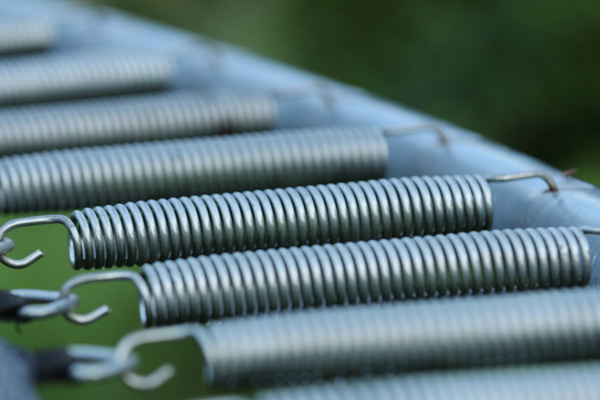
We know that within the elastic limit, the elongation (or contraction) of the spring is proportional to the external force.
2024-05-22
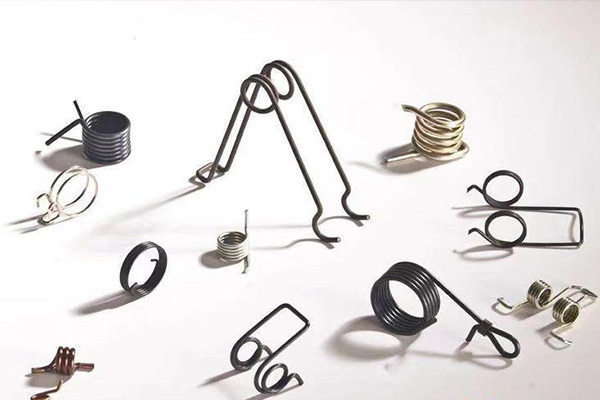
The current pattern of the spring industry
For the spring industry, for a long time, there has been an oversupply of low-grade ordinary springs.
2024-05-22
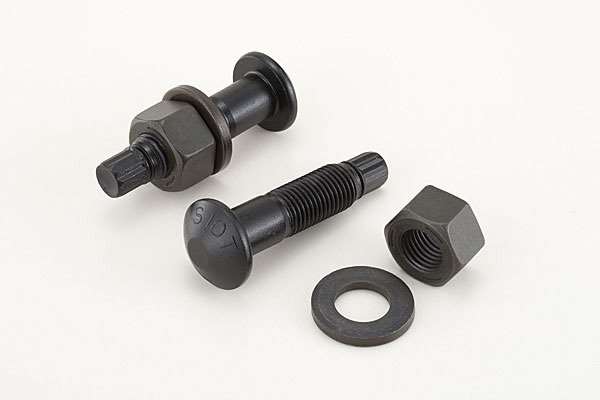
What material is generally used for high-strength bolts?
The upper limit of the tensile strength of the material used in high-strength bolts has a lot to do with the quenching treatment.
2024-05-22


Service E-mail
Service TEL
Address
Handan City, Hebei Province, China
To inquire about our products, please leave your email to us and we will contact you within 24 hours.
