



The Future Trends of Stainless Steel Pins in Fastening Solutions
2026-01-10
The Future Trends of Stainless Steel Pins in Fastening Solutions
Table of Contents
Introduction to Stainless Steel Pins
Advantages of Stainless Steel Pins in Fastening Solutions
Emerging Trends in Stainless Steel Pins
Applications of Stainless Steel Pins Across Industries
Sustainability and Environmental Impact of Stainless Steel Pins
Technological Advancements in Stainles
The Future Trends of Stainless Steel Pins in Fastening Solutions
Table of Contents
- Introduction to Stainless Steel Pins
- Advantages of Stainless Steel Pins in Fastening Solutions
- Emerging Trends in Stainless Steel Pins
- Applications of Stainless Steel Pins Across Industries
- Sustainability and Environmental Impact of Stainless Steel Pins
- Technological Advancements in Stainless Steel Pin Manufacturing
- Future Outlook on Stainless Steel Pins in Fastening Solutions
- Frequently Asked Questions
- Conclusion
Introduction to Stainless Steel Pins
Stainless steel pins are essential components in various fastening solutions across multiple industries. Known for their durability, corrosion resistance, and strength, these pins are increasingly recognized as a superior choice for securing materials together. As industries evolve and technology advances, the role of stainless steel pins is becoming more prominent. In this article, we will explore the future trends and innovations surrounding stainless steel pins and how they are shaping the landscape of fastening solutions.
Advantages of Stainless Steel Pins in Fastening Solutions
Stainless steel pins provide numerous benefits that make them the preferred choice in many applications. Here are some key advantages:
Corrosion Resistance
One of the most significant benefits of stainless steel is its inherent corrosion resistance. Unlike carbon steel, stainless steel can withstand harsh environments, including exposure to moisture and various chemicals. This characteristic extends the lifespan of fastening solutions and reduces maintenance costs.
Strength and Durability
Stainless steel pins offer superior strength compared to many other materials. They can withstand high tensile loads and resist deformation, ensuring that secured connections remain intact. This durability is particularly crucial in applications where safety and reliability are paramount.
Versatility in Applications
The versatility of stainless steel pins allows for their use in a wide range of applications, from automotive and aerospace to construction and manufacturing. This adaptability makes them an invaluable component in various fastening solutions.
Emerging Trends in Stainless Steel Pins
As industries evolve, several trends are shaping the future of stainless steel pins in fastening solutions:
Increased Demand for Customization
With the growing complexity of products, manufacturers are increasingly seeking customized stainless steel pins. This trend is driven by the need for specific dimensions, coatings, and finishes that meet unique application requirements. Customization enhances performance and fosters innovation in fastening solutions.
Integration of Smart Technologies
The integration of smart technologies into fastening solutions is an emerging trend. With advancements in IoT (Internet of Things), stainless steel pins are now being designed with embedded sensors that monitor tension and integrity. This innovation leads to proactive maintenance, reducing the risk of failures.
Focus on Lightweight Solutions
As industries strive for efficiency and sustainability, there is a growing emphasis on lightweight fastening solutions. Manufacturers are exploring advanced stainless steel alloys that maintain strength while reducing weight. This trend is particularly significant in the aerospace and automotive sectors, where weight reduction can lead to improved fuel efficiency.
Applications of Stainless Steel Pins Across Industries
Stainless steel pins have a broad range of applications across different industries. Here’s a closer look at how they are utilized:
Automotive Industry
In the automotive sector, stainless steel pins are used in critical applications such as securing engine components, suspension systems, and body panels. Their strength and corrosion resistance ensure long-lasting performance in demanding environments.
Aerospace Sector
In aerospace, the need for lightweight, durable materials is paramount. Stainless steel pins are extensively used in aircraft assemblies and systems, providing the necessary strength while contributing to overall weight reduction.
Construction and Infrastructure
In construction, stainless steel pins are utilized for fastening structures and components, ensuring structural integrity in various applications. Their corrosion resistance is particularly beneficial in outdoor applications where exposure to the elements is a concern.
Food and Beverage Industry
In the food and beverage industry, hygiene and cleanliness are critical. Stainless steel pins are favored for their easy-to-clean properties and resistance to corrosion, making them ideal for use in food processing equipment.
Sustainability and Environmental Impact of Stainless Steel Pins
Sustainability is becoming a significant focus for manufacturers and consumers alike. Stainless steel pins can contribute to this goal in several ways:
Recyclability
Stainless steel is 100% recyclable, making it an environmentally friendly choice for fastening solutions. The recyclability of stainless steel pins reduces waste and minimizes the environmental impact of manufacturing processes.
Longevity and Reduced Waste
The durability and longevity of stainless steel pins mean that fewer replacements are needed, leading to less waste over time. This characteristic aligns with sustainable practices and reduces the overall footprint of manufacturing and disposal.
Eco-Friendly Manufacturing Practices
Many manufacturers are adopting eco-friendly practices in the production of stainless steel pins. This includes using environmentally friendly materials and processes, further reducing the environmental impact of these components.
Technological Advancements in Stainless Steel Pin Manufacturing
The manufacturing of stainless steel pins is continually evolving, thanks to technological advancements. Here are some key innovations reshaping the industry:
Advanced Coatings and Finishes
Innovative coatings and finishes are being developed to enhance the performance of stainless steel pins. These advancements improve corrosion resistance, reduce friction, and increase overall durability, making stainless steel pins suitable for more demanding applications.
3D Printing Technology
3D printing is revolutionizing the manufacturing process for stainless steel pins. This technology allows for rapid prototyping and customization, enabling manufacturers to create complex designs and reduce lead times significantly.
Automated Production Processes
Automation in production processes enhances efficiency and precision in manufacturing stainless steel pins. Automated systems can improve consistency, reduce human error, and lower production costs, making it easier for manufacturers to meet growing demand.
Future Outlook on Stainless Steel Pins in Fastening Solutions
The future of stainless steel pins in fastening solutions looks promising. As industries continue to innovate and face new challenges, the demand for reliable and versatile fastening components will only increase. Here are some anticipated trends and developments:
Integration of Artificial Intelligence
The integration of artificial intelligence (AI) in manufacturing processes may lead to more efficient production and quality control. AI can analyze data from production lines to optimize processes, reduce waste, and ensure that stainless steel pins meet the highest standards.
Global Market Expansion
As global markets expand, the demand for stainless steel pins is expected to grow. Emerging economies are increasingly adopting advanced manufacturing practices, leading to greater opportunities for stainless steel fastening solutions.
Innovative Material Development
Research into new stainless steel alloys and composites will likely continue, offering even more options for manufacturers. These advancements could result in pins that are lighter, stronger, and more resistant to various environmental factors.
Frequently Asked Questions
1. What are stainless steel pins used for?
Stainless steel pins are used in various fastening applications across multiple industries, including automotive, aerospace, construction, and food processing.
2. Why are stainless steel pins preferred over other materials?
Stainless steel pins offer superior corrosion resistance, strength, and durability compared to other materials, making them ideal for critical fastening solutions.
3. Are stainless steel pins recyclable?
Yes, stainless steel is 100% recyclable, making stainless steel pins an environmentally friendly choice.
4. What are the advantages of customizing stainless steel pins?
Customization allows manufacturers to create pins tailored to specific applications, enhancing performance and meeting unique requirements.
5. How does technology impact the manufacturing of stainless steel pins?
Technological advancements, such as automation and 3D printing, improve efficiency, precision, and customization in the manufacturing process.
Conclusion
In conclusion, stainless steel pins are poised to play a crucial role in the future of fastening solutions. Their numerous advantages, coupled with emerging trends and technological advancements, will continue to drive innovation across various industries. As manufacturers increasingly prioritize sustainability and efficiency, stainless steel pins will remain at the forefront of fastening technology, ensuring reliable and durable connections for years to come. The future is bright for stainless steel pins, and we are excited to witness the developments that lie ahead in this essential component of fastening solutions.
Key words:
RELATED INFORMATION
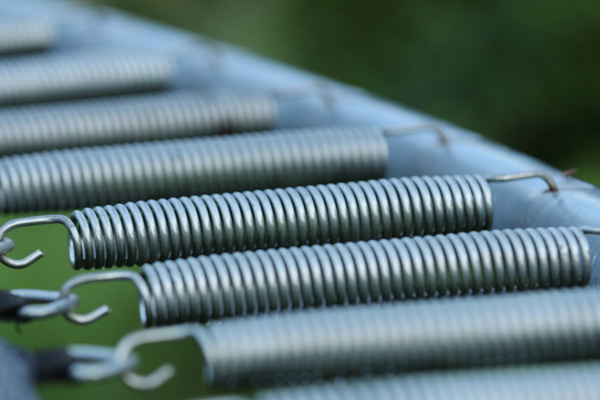
We know that within the elastic limit, the elongation (or contraction) of the spring is proportional to the external force.
2024-05-22
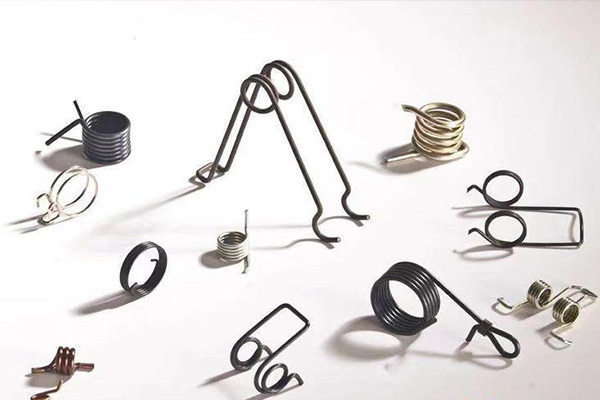
The current pattern of the spring industry
For the spring industry, for a long time, there has been an oversupply of low-grade ordinary springs.
2024-05-22
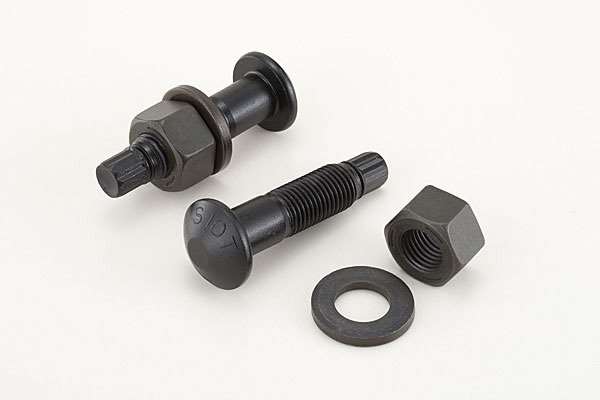
What material is generally used for high-strength bolts?
The upper limit of the tensile strength of the material used in high-strength bolts has a lot to do with the quenching treatment.
2024-05-22


Service E-mail
Service TEL
Address
Handan City, Hebei Province, China
To inquire about our products, please leave your email to us and we will contact you within 24 hours.
