



Essential Insights into Stainless Steel Drill Tail Wire: Applications and Benefits
2025-12-25
Stainless steel drill tail wire is a versatile and durable material widely used in various industrial applications, particularly in the realm of fasteners and connectors. Its unique properties make it an ideal choice for a range of projects, where strength, corrosion resistance, and reliability are paramount.
One of the primary advantages of stainless steel drill tail wire is its exceptional resis
Stainless steel drill tail wire is a versatile and durable material widely used in various industrial applications, particularly in the realm of fasteners and connectors. Its unique properties make it an ideal choice for a range of projects, where strength, corrosion resistance, and reliability are paramount.
One of the primary advantages of stainless steel drill tail wire is its exceptional resistance to corrosion. This property is crucial when the wire is exposed to harsh environments, including moisture, chemicals, and extreme temperatures. As a result, stainless steel drill tail wire is often utilized in industries such as construction, automotive, and marine, where exposure to the elements can compromise the integrity of other materials.
Additionally, the strength of stainless steel drill tail wire allows it to withstand significant loads and stresses. This feature is particularly beneficial in applications requiring secure connections, ensuring that components remain firmly in place under various operational conditions. In scenarios where safety and reliability are critical, such as in structural applications or machinery assembly, the use of high-quality drill tail wire becomes essential.
Moreover, stainless steel drill tail wire is available in various diameters and lengths, providing flexibility in selection based on specific project requirements. Its adaptability means that it can be used in multiple configurations, whether for anchoring, securing components, or creating complex assemblies. This versatility makes it a favored choice among engineers and manufacturers seeking efficient solutions to fastening needs.
When it comes to installation, stainless steel drill tail wire can be easily cut and manipulated, allowing for straightforward integration into existing systems. Its compatibility with various tools and techniques means that it can be utilized in both manual and automated processes, enhancing productivity in manufacturing environments.
In terms of maintenance, stainless steel drill tail wire requires minimal upkeep. Its inherent resistance to rust and degradation means that once installed, it can function effectively for extended periods without the need for frequent replacements or repairs. This quality translates into cost savings over time, making it an economically sound choice for long-term projects.
In summary, stainless steel drill tail wire is an indispensable material in the fasteners and connectors industry. With its superior corrosion resistance, strength, and versatility, it plays a vital role in ensuring the reliability of various industrial applications. Whether you are working on a small-scale project or a large industrial assembly, considering stainless steel drill tail wire can greatly enhance the quality and durability of your connections.
One of the primary advantages of stainless steel drill tail wire is its exceptional resistance to corrosion. This property is crucial when the wire is exposed to harsh environments, including moisture, chemicals, and extreme temperatures. As a result, stainless steel drill tail wire is often utilized in industries such as construction, automotive, and marine, where exposure to the elements can compromise the integrity of other materials.
Additionally, the strength of stainless steel drill tail wire allows it to withstand significant loads and stresses. This feature is particularly beneficial in applications requiring secure connections, ensuring that components remain firmly in place under various operational conditions. In scenarios where safety and reliability are critical, such as in structural applications or machinery assembly, the use of high-quality drill tail wire becomes essential.
Moreover, stainless steel drill tail wire is available in various diameters and lengths, providing flexibility in selection based on specific project requirements. Its adaptability means that it can be used in multiple configurations, whether for anchoring, securing components, or creating complex assemblies. This versatility makes it a favored choice among engineers and manufacturers seeking efficient solutions to fastening needs.
When it comes to installation, stainless steel drill tail wire can be easily cut and manipulated, allowing for straightforward integration into existing systems. Its compatibility with various tools and techniques means that it can be utilized in both manual and automated processes, enhancing productivity in manufacturing environments.
In terms of maintenance, stainless steel drill tail wire requires minimal upkeep. Its inherent resistance to rust and degradation means that once installed, it can function effectively for extended periods without the need for frequent replacements or repairs. This quality translates into cost savings over time, making it an economically sound choice for long-term projects.
In summary, stainless steel drill tail wire is an indispensable material in the fasteners and connectors industry. With its superior corrosion resistance, strength, and versatility, it plays a vital role in ensuring the reliability of various industrial applications. Whether you are working on a small-scale project or a large industrial assembly, considering stainless steel drill tail wire can greatly enhance the quality and durability of your connections.
Key words:
RELATED INFORMATION
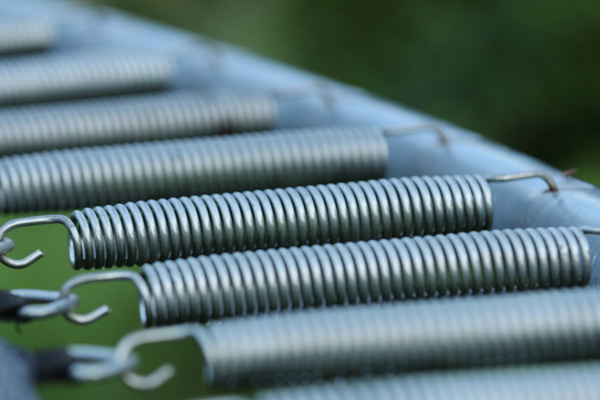
We know that within the elastic limit, the elongation (or contraction) of the spring is proportional to the external force.
2024-05-22
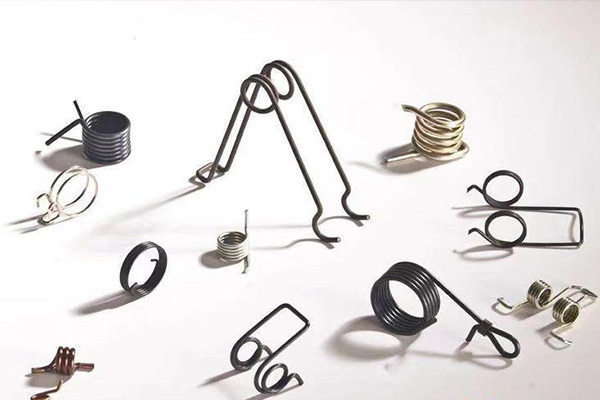
The current pattern of the spring industry
For the spring industry, for a long time, there has been an oversupply of low-grade ordinary springs.
2024-05-22
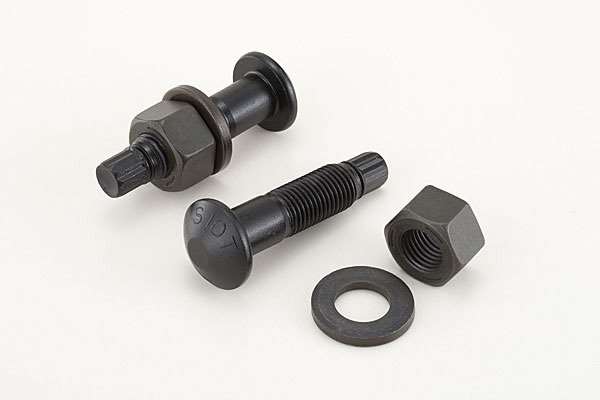
What material is generally used for high-strength bolts?
The upper limit of the tensile strength of the material used in high-strength bolts has a lot to do with the quenching treatment.
2024-05-22


Service E-mail
Service TEL
Address
Handan City, Hebei Province, China
To inquire about our products, please leave your email to us and we will contact you within 24 hours.
