



Understanding Stainless Steel Expansion: Importance in Industrial Fastening Solutions
2025-12-02
---
When discussing stainless steel expansion, it is crucial to understand its implications in various industrial applications, especially in the realm of fastening and connecting components. Stainless steel is renowned for its excellent resistance to corrosion and durability, making it a preferred material in manufacturing fasteners and connectors. However, one of the inherent characteristics of
---
When discussing stainless steel expansion, it is crucial to understand its implications in various industrial applications, especially in the realm of fastening and connecting components. Stainless steel is renowned for its excellent resistance to corrosion and durability, making it a preferred material in manufacturing fasteners and connectors. However, one of the inherent characteristics of materials, including stainless steel, is thermal expansion.
Stainless steel expansion refers to the tendency of stainless steel to increase in size when subjected to temperature variations. This property is essential to consider in the design and application of fasteners and connectors, as improper accounting for thermal expansion could lead to structural failures, loosening of joints, or even catastrophic failures in critical applications.
In industrial settings, stainless steel fasteners are often used in environments where temperature fluctuations are common, such as in the petrochemical, automotive, and aerospace industries. Here, understanding the expansion characteristics of stainless steel becomes crucial. For instance, when a fastening system is assembled in a cool environment and later exposed to high temperatures, the stainless steel components may expand significantly. If the design does not account for this expansion, the resulting stress can compromise the integrity of the connection.
To mitigate potential issues arising from stainless steel expansion, engineers and designers utilize several strategies. One common approach involves selecting the appropriate type of fastener or connector that allows for some degree of movement. Additionally, incorporating materials with different coefficients of thermal expansion can help accommodate these changes and reduce stress on the connections.
Another factor to consider is the installation method. Preloading fasteners to the correct tension can create a buffer against the effects of thermal expansion. This preload can help maintain joint integrity even as the temperature rises and the components begin to expand. Furthermore, the use of expansion joints in piping systems can accommodate thermal movements, preventing undue stress on the connections.
In summary, understanding stainless steel expansion is vital for professionals involved in the design and use of fastening solutions in industrial environments. By considering the thermal properties of stainless steel and implementing appropriate strategies during design and installation, engineers can enhance the reliability and safety of their applications. As industries continue to evolve, the importance of addressing thermal expansion in stainless steel components will only grow, emphasizing the need for ongoing education and awareness in this critical area of industrial fastening.
When discussing stainless steel expansion, it is crucial to understand its implications in various industrial applications, especially in the realm of fastening and connecting components. Stainless steel is renowned for its excellent resistance to corrosion and durability, making it a preferred material in manufacturing fasteners and connectors. However, one of the inherent characteristics of materials, including stainless steel, is thermal expansion.
Stainless steel expansion refers to the tendency of stainless steel to increase in size when subjected to temperature variations. This property is essential to consider in the design and application of fasteners and connectors, as improper accounting for thermal expansion could lead to structural failures, loosening of joints, or even catastrophic failures in critical applications.
In industrial settings, stainless steel fasteners are often used in environments where temperature fluctuations are common, such as in the petrochemical, automotive, and aerospace industries. Here, understanding the expansion characteristics of stainless steel becomes crucial. For instance, when a fastening system is assembled in a cool environment and later exposed to high temperatures, the stainless steel components may expand significantly. If the design does not account for this expansion, the resulting stress can compromise the integrity of the connection.
To mitigate potential issues arising from stainless steel expansion, engineers and designers utilize several strategies. One common approach involves selecting the appropriate type of fastener or connector that allows for some degree of movement. Additionally, incorporating materials with different coefficients of thermal expansion can help accommodate these changes and reduce stress on the connections.
Another factor to consider is the installation method. Preloading fasteners to the correct tension can create a buffer against the effects of thermal expansion. This preload can help maintain joint integrity even as the temperature rises and the components begin to expand. Furthermore, the use of expansion joints in piping systems can accommodate thermal movements, preventing undue stress on the connections.
In summary, understanding stainless steel expansion is vital for professionals involved in the design and use of fastening solutions in industrial environments. By considering the thermal properties of stainless steel and implementing appropriate strategies during design and installation, engineers can enhance the reliability and safety of their applications. As industries continue to evolve, the importance of addressing thermal expansion in stainless steel components will only grow, emphasizing the need for ongoing education and awareness in this critical area of industrial fastening.
Key words:
RELATED INFORMATION
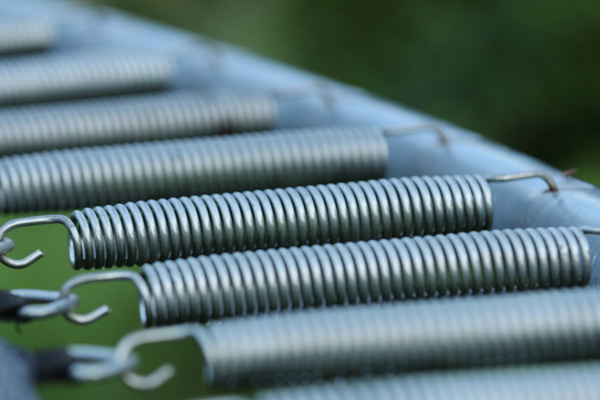
We know that within the elastic limit, the elongation (or contraction) of the spring is proportional to the external force.
2024-05-22
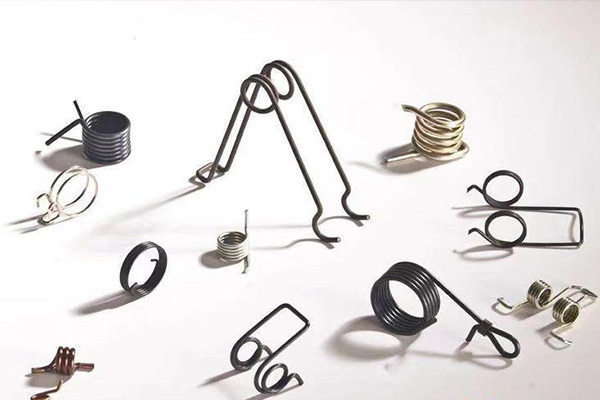
The current pattern of the spring industry
For the spring industry, for a long time, there has been an oversupply of low-grade ordinary springs.
2024-05-22
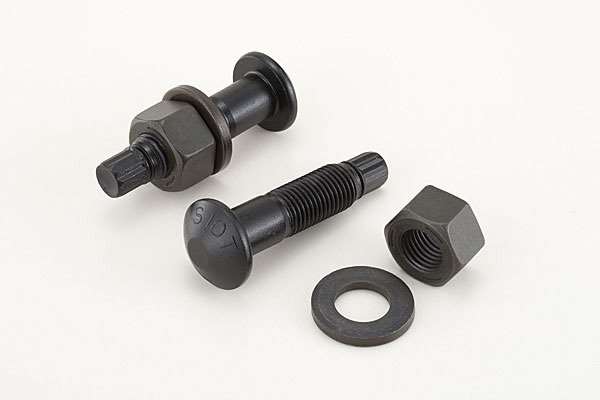
What material is generally used for high-strength bolts?
The upper limit of the tensile strength of the material used in high-strength bolts has a lot to do with the quenching treatment.
2024-05-22


Service E-mail
Service TEL
Address
Handan City, Hebei Province, China
To inquire about our products, please leave your email to us and we will contact you within 24 hours.
