



Stainless Steel Pins: The Indispensable Element in Electronics Manufacturing
2025-11-19
Stainless Steel Pins: An Essential Component in Electronics Manufacturing
Table of Contents
1. Introduction to Stainless Steel Pins in Electronics
2. Key Properties of Stainless Steel Pins
3. Different Types of Stainless Steel Pins
4. Applications of Stainless Steel Pins in Electronics
5. Manufacturing Process of Stainless Steel Pins
6. Advantages of Using Stainless Steel
Stainless Steel Pins: An Essential Component in Electronics Manufacturing
Table of Contents
- 1. Introduction to Stainless Steel Pins in Electronics
- 2. Key Properties of Stainless Steel Pins
- 3. Different Types of Stainless Steel Pins
- 4. Applications of Stainless Steel Pins in Electronics
- 5. Manufacturing Process of Stainless Steel Pins
- 6. Advantages of Using Stainless Steel Pins in Electronics
- 7. Challenges and Solutions in Using Stainless Steel Pins
- 8. The Future of Stainless Steel Pins in Electronics Manufacturing
- 9. Frequently Asked Questions
- 10. Conclusion
1. Introduction to Stainless Steel Pins in Electronics
In the fast-evolving world of electronics manufacturing, the choice of materials is crucial to ensuring product reliability and performance. Among these materials, **stainless steel pins** stand out as an essential component, utilized across various applications. These pins, known for their durability and resistance to corrosion, play a pivotal role in securing electronic components together, thus enhancing the overall integrity of devices.
2. Key Properties of Stainless Steel Pins
Understanding the properties of stainless steel pins is fundamental for manufacturers and engineers. Some of the most significant properties include:
Corrosion Resistance
Stainless steel pins exhibit exceptional resistance to rust and corrosion, making them ideal for applications in humid or corrosive environments.
Strength and Durability
The inherent strength of stainless steel provides excellent load-bearing capabilities, ensuring that the pins can withstand mechanical stress during operation.
Conductivity
While stainless steel is not as conductive as copper, it offers sufficient conductivity for various electronic applications, especially when used in connectors.
Versatility
Available in various shapes and sizes, stainless steel pins can be customized to suit specific applications, providing flexibility in design.
3. Different Types of Stainless Steel Pins
Stainless steel pins come in various forms, each tailored for specific applications within electronics manufacturing. The most common types include:
Solid Pins
These are the most straightforward type of pins, offering reliable fastening solutions in a variety of devices.
Spring Pins
Spring pins, also known as roll pins, are designed to compress and expand, providing a secure fit in applications where vibration or movement is a concern.
Shoulder Pins
Shoulder pins have a shoulder that helps to maintain alignment and prevent lateral movement, making them ideal for precision applications.
Grooved Pins
These pins are designed with grooves to enhance grip and prevent slippage, often used in applications requiring high torque.
4. Applications of Stainless Steel Pins in Electronics
Stainless steel pins are employed in several key applications within the electronics industry:
Connectors
These pins serve as connectors between different electronic components, ensuring a stable and secure connection.
Mounting Components
They are often used to mount circuit boards and other components securely within electronic devices.
Switches and Relays
In switches and relays, stainless steel pins facilitate movement and ensure functional reliability.
Automotive Electronics
In automotive applications, these pins are used for various electronic systems, including ignition systems and sensors, where reliability is paramount.
5. Manufacturing Process of Stainless Steel Pins
The production of stainless steel pins involves several steps to ensure quality and precision:
Material Selection
The first step involves choosing the appropriate grade of stainless steel based on the application's requirements.
Cutting and Shaping
The raw material is cut and shaped into the desired pin form using advanced machinery.
Heat Treatment
Pins may undergo heat treatment to enhance their mechanical properties, including strength and hardness.
Finishing Processes
A variety of finishing processes, such as polishing or coating, may be applied to improve corrosion resistance and aesthetic appeal.
6. Advantages of Using Stainless Steel Pins in Electronics
The advantages of stainless steel pins are numerous:
Longevity
Due to their durability and corrosion resistance, stainless steel pins often outlast their counterparts made from other materials.
Cost-Effectiveness
While the upfront cost might be higher, the longevity and reliability of stainless steel pins can lead to lower overall costs in manufacturing and maintenance.
Performance Consistency
The consistent performance of stainless steel pins enhances the reliability of the electronic devices they are used in.
7. Challenges and Solutions in Using Stainless Steel Pins
Despite their benefits, there are challenges associated with using stainless steel pins in electronics manufacturing:
Magnetism
Some stainless steel grades are magnetic, which can be a concern in specific electronic applications. Choosing non-magnetic grades can mitigate this issue.
Cost of Material
The initial cost of stainless steel can be higher than other materials. However, manufacturers can consider the total cost of ownership when evaluating options.
8. The Future of Stainless Steel Pins in Electronics Manufacturing
The future of stainless steel pins in electronics manufacturing looks promising. As technology advances, the demand for stronger, lighter, and more durable materials will drive innovation in pin manufacturing. New stainless steel alloys are being developed to enhance performance characteristics, catering to the evolving needs of the electronics industry.
9. Frequently Asked Questions
What are the main benefits of using stainless steel pins in electronics?
Stainless steel pins offer corrosion resistance, strength, durability, and versatility, making them ideal for various electronic applications.
Are there different grades of stainless steel used for pins?
Yes, different grades of stainless steel are used depending on the specific requirements of the application, such as corrosion resistance and strength.
How do stainless steel pins compare to pins made from other materials?
While other materials may be less expensive, stainless steel pins often provide better durability and longevity, resulting in lower maintenance costs over time.
Can stainless steel pins be customized for specific applications?
Yes, manufacturers can customize stainless steel pins in various shapes and sizes to suit specific design requirements.
What industries benefit from the use of stainless steel pins?
Industries such as automotive, aerospace, and consumer electronics extensively use stainless steel pins due to their performance characteristics.
10. Conclusion
In the landscape of electronics manufacturing, **stainless steel pins** emerge as an indispensable component. Their unique properties, diverse applications, and numerous advantages solidify their standing as a preferred choice for manufacturers. As we move forward, the continuous evolution in materials technology promises to enhance the performance of these critical components, paving the way for even more innovative electronics solutions. Embracing the benefits of stainless steel pins can lead to improved product reliability and increased efficiency in manufacturing processes.
Key words:
RELATED INFORMATION
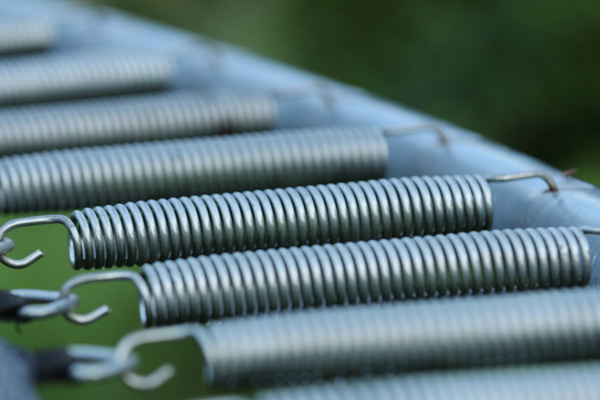
We know that within the elastic limit, the elongation (or contraction) of the spring is proportional to the external force.
2024-05-22
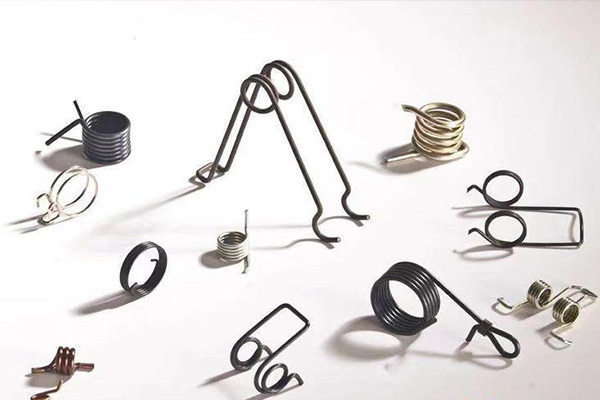
The current pattern of the spring industry
For the spring industry, for a long time, there has been an oversupply of low-grade ordinary springs.
2024-05-22
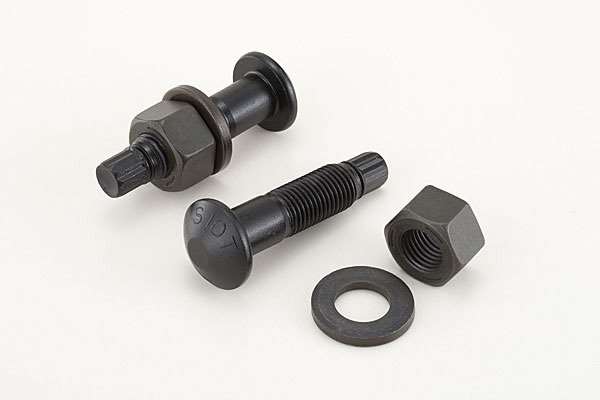
What material is generally used for high-strength bolts?
The upper limit of the tensile strength of the material used in high-strength bolts has a lot to do with the quenching treatment.
2024-05-22


Service E-mail
Service TEL
Address
Handan City, Hebei Province, China
To inquire about our products, please leave your email to us and we will contact you within 24 hours.
