



The Essential Guide to Welding Nails: Understanding Their Importance in Industrial Applications
2025-11-10
Welding nails, frequently encountered in industrial settings, are specialized fasteners designed for joining materials through the process of welding. Unlike traditional nails, which rely on mechanical means for fastening, welding nails utilize heat to create a strong bond between two surfaces. This technique is particularly beneficial in applications where a high degree of strength and permanence
Welding nails, frequently encountered in industrial settings, are specialized fasteners designed for joining materials through the process of welding. Unlike traditional nails, which rely on mechanical means for fastening, welding nails utilize heat to create a strong bond between two surfaces. This technique is particularly beneficial in applications where a high degree of strength and permanence is required.
One of the primary advantages of welding nails is their ability to provide a secure and durable connection. When the nail is welded onto a material, it becomes an integral part of the surface, significantly reducing the risk of loosening over time. This feature is especially valuable in high-stress environments where conventional fasteners may fail, such as in automotive or heavy machinery construction.
Welding nails come in various materials, including steel and stainless steel, each suitable for different applications. Steel welding nails are commonly used in environments that require strength and resilience, while stainless steel options are favored for their corrosion resistance, making them ideal for outdoor or harsh conditions. The choice of material can significantly impact the performance and longevity of the weld, so understanding the specific requirements of your application is crucial.
The welding process for these nails typically involves spot welding or arc welding techniques, both of which create a robust bond through controlled heat application. Spot welding is often used for thin materials, allowing for quick and efficient fastening without significant distortion. Conversely, arc welding provides versatility, accommodating a range of material thicknesses and applications.
In addition to their mechanical properties, welding nails contribute to streamlined manufacturing processes. By eliminating the need for additional fasteners or adhesives, welding nails can reduce assembly time and costs. This efficiency is particularly advantageous in large-scale production environments where maintaining timelines and budgets is critical.
Another important consideration when using welding nails is the equipment involved. The appropriate welding machine and technique must align with the materials and thicknesses being joined. Proper training and adherence to safety protocols are essential to ensure successful and safe application, as improper welding can lead to weak joints or hazardous conditions.
In summary, welding nails are a vital component in the fastening landscape, offering unique advantages in terms of strength, durability, and efficiency. Their application in various industrial sectors underscores the importance of selecting the right fastening solutions for specific needs. Understanding how to properly utilize welding nails can lead to improved project outcomes and greater overall reliability in structural integrity.
One of the primary advantages of welding nails is their ability to provide a secure and durable connection. When the nail is welded onto a material, it becomes an integral part of the surface, significantly reducing the risk of loosening over time. This feature is especially valuable in high-stress environments where conventional fasteners may fail, such as in automotive or heavy machinery construction.
Welding nails come in various materials, including steel and stainless steel, each suitable for different applications. Steel welding nails are commonly used in environments that require strength and resilience, while stainless steel options are favored for their corrosion resistance, making them ideal for outdoor or harsh conditions. The choice of material can significantly impact the performance and longevity of the weld, so understanding the specific requirements of your application is crucial.
The welding process for these nails typically involves spot welding or arc welding techniques, both of which create a robust bond through controlled heat application. Spot welding is often used for thin materials, allowing for quick and efficient fastening without significant distortion. Conversely, arc welding provides versatility, accommodating a range of material thicknesses and applications.
In addition to their mechanical properties, welding nails contribute to streamlined manufacturing processes. By eliminating the need for additional fasteners or adhesives, welding nails can reduce assembly time and costs. This efficiency is particularly advantageous in large-scale production environments where maintaining timelines and budgets is critical.
Another important consideration when using welding nails is the equipment involved. The appropriate welding machine and technique must align with the materials and thicknesses being joined. Proper training and adherence to safety protocols are essential to ensure successful and safe application, as improper welding can lead to weak joints or hazardous conditions.
In summary, welding nails are a vital component in the fastening landscape, offering unique advantages in terms of strength, durability, and efficiency. Their application in various industrial sectors underscores the importance of selecting the right fastening solutions for specific needs. Understanding how to properly utilize welding nails can lead to improved project outcomes and greater overall reliability in structural integrity.
Key words:
RELATED INFORMATION
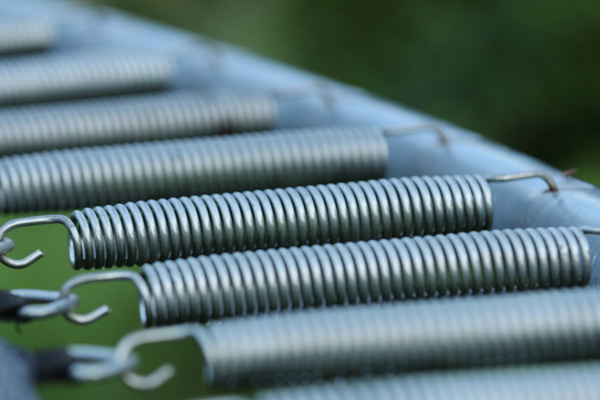
We know that within the elastic limit, the elongation (or contraction) of the spring is proportional to the external force.
2024-05-22
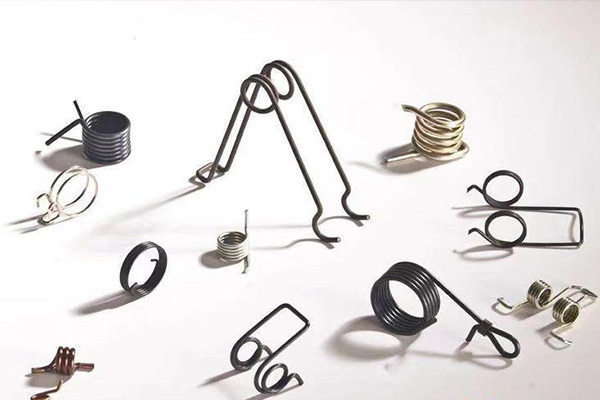
The current pattern of the spring industry
For the spring industry, for a long time, there has been an oversupply of low-grade ordinary springs.
2024-05-22
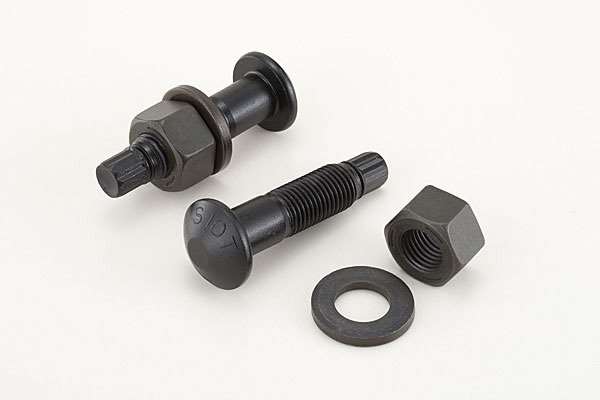
What material is generally used for high-strength bolts?
The upper limit of the tensile strength of the material used in high-strength bolts has a lot to do with the quenching treatment.
2024-05-22


Service E-mail
Service TEL
Address
Handan City, Hebei Province, China
To inquire about our products, please leave your email to us and we will contact you within 24 hours.
