



Understanding Welding Nails: Applications and Benefits in Industrial Fastening
2025-10-29
Welding nails are an innovative fastening solution used primarily in construction and industrial settings. These nails are designed to be welded to other metal surfaces, creating a permanent bond that is both strong and reliable. Their unique design allows for secure attachment without the need for additional hardware, making them ideal for various applications.
One of the key benefits of welding
Welding nails are an innovative fastening solution used primarily in construction and industrial settings. These nails are designed to be welded to other metal surfaces, creating a permanent bond that is both strong and reliable. Their unique design allows for secure attachment without the need for additional hardware, making them ideal for various applications.
One of the key benefits of welding nails is their ability to offer a high level of strength and stability. When welded, the nail forms a metallurgical bond with the base material, which often exceeds the strength of traditional mechanical fasteners such as screws or bolts. This feature makes them particularly useful in heavy-duty applications where structural integrity is critical, such as in the automotive, aerospace, and manufacturing industries.
Welding nails are often used in conjunction with welding machines, which provide the necessary heat and pressure to fuse the nail to the substrate. Various welding techniques, such as arc welding, stud welding, and resistance welding, can be employed depending on the material and the specific requirements of the project. These techniques ensure that the welding nails can be applied effectively to a variety of metals, including steel, aluminum, and others.
Another advantage of welding nails is their efficiency during the assembly process. Since they can be welded directly onto surfaces, the need for drilling or pre-assembly is eliminated, allowing for faster construction times. This efficiency not only speeds up production but also helps reduce labor costs, making welding nails a cost-effective solution for many industrial applications.
In addition to their mechanical advantages, welding nails also contribute to maintaining a clean and streamlined aesthetic in constructed products. Because they do not require visible heads or additional fixtures, the finished product often appears more polished and professional.
Moreover, welding nails can be used in applications where traditional fasteners may not be suitable due to space constraints or the need for a flush finish. Their compact design allows for versatile use in tight spaces, ensuring that manufacturers can achieve the desired results even in challenging environments.
In conclusion, welding nails represent a sophisticated solution in the realm of fastening technology. Their combination of strength, efficiency, and versatility makes them an excellent choice for various industrial applications. Understanding the benefits and proper usage of welding nails can greatly enhance fastening practices within your operations, optimizing both performance and reliability.
One of the key benefits of welding nails is their ability to offer a high level of strength and stability. When welded, the nail forms a metallurgical bond with the base material, which often exceeds the strength of traditional mechanical fasteners such as screws or bolts. This feature makes them particularly useful in heavy-duty applications where structural integrity is critical, such as in the automotive, aerospace, and manufacturing industries.
Welding nails are often used in conjunction with welding machines, which provide the necessary heat and pressure to fuse the nail to the substrate. Various welding techniques, such as arc welding, stud welding, and resistance welding, can be employed depending on the material and the specific requirements of the project. These techniques ensure that the welding nails can be applied effectively to a variety of metals, including steel, aluminum, and others.
Another advantage of welding nails is their efficiency during the assembly process. Since they can be welded directly onto surfaces, the need for drilling or pre-assembly is eliminated, allowing for faster construction times. This efficiency not only speeds up production but also helps reduce labor costs, making welding nails a cost-effective solution for many industrial applications.
In addition to their mechanical advantages, welding nails also contribute to maintaining a clean and streamlined aesthetic in constructed products. Because they do not require visible heads or additional fixtures, the finished product often appears more polished and professional.
Moreover, welding nails can be used in applications where traditional fasteners may not be suitable due to space constraints or the need for a flush finish. Their compact design allows for versatile use in tight spaces, ensuring that manufacturers can achieve the desired results even in challenging environments.
In conclusion, welding nails represent a sophisticated solution in the realm of fastening technology. Their combination of strength, efficiency, and versatility makes them an excellent choice for various industrial applications. Understanding the benefits and proper usage of welding nails can greatly enhance fastening practices within your operations, optimizing both performance and reliability.
Key words:
RELATED INFORMATION
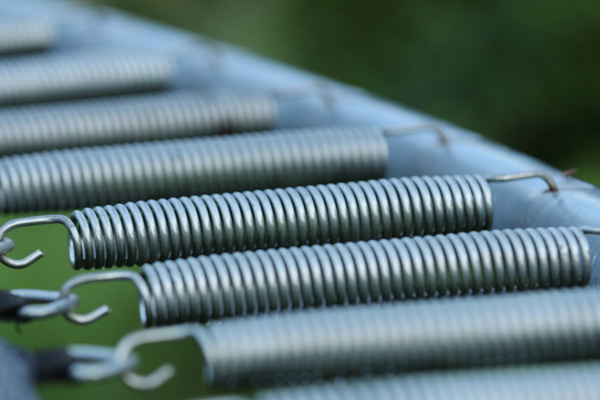
We know that within the elastic limit, the elongation (or contraction) of the spring is proportional to the external force.
2024-05-22
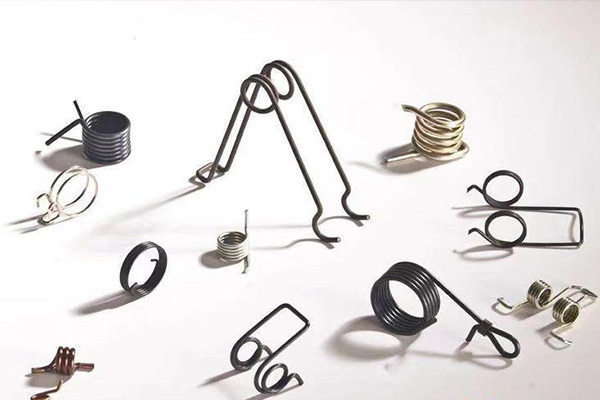
The current pattern of the spring industry
For the spring industry, for a long time, there has been an oversupply of low-grade ordinary springs.
2024-05-22
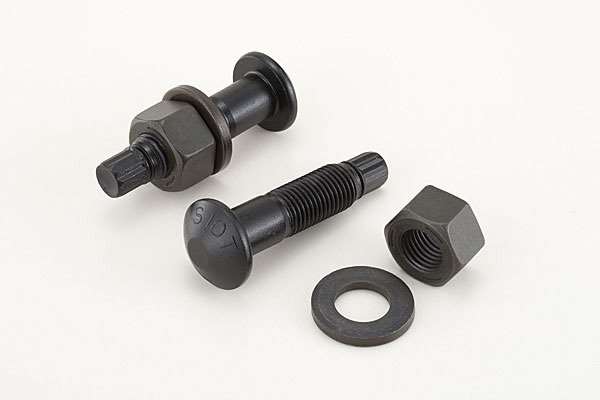
What material is generally used for high-strength bolts?
The upper limit of the tensile strength of the material used in high-strength bolts has a lot to do with the quenching treatment.
2024-05-22


Service E-mail
Service TEL
Address
Handan City, Hebei Province, China
To inquire about our products, please leave your email to us and we will contact you within 24 hours.
