



Understanding Stainless Steel Expansion: Key Insights for Industrial Applications
2025-10-27
Stainless steel expansion is a crucial consideration in the design and application of industrial equipment and components, particularly in the manufacturing of fasteners and connectors. Understanding how stainless steel behaves under temperature fluctuations is vital for ensuring the integrity and longevity of industrial assemblies.
When stainless steel is subjected to temperature changes, it unde
Stainless steel expansion is a crucial consideration in the design and application of industrial equipment and components, particularly in the manufacturing of fasteners and connectors. Understanding how stainless steel behaves under temperature fluctuations is vital for ensuring the integrity and longevity of industrial assemblies.
When stainless steel is subjected to temperature changes, it undergoes thermal expansion. This phenomenon occurs because the heat causes the material's atoms to vibrate more vigorously, leading to an increase in the overall size of the component. The expansion rate of stainless steel is typically lower than that of other metals, which makes it a preferred choice in environments where temperature variations are common. Engineers must account for this expansion when designing systems that include stainless steel components, ensuring that there is sufficient space for movement without compromising the joint integrity.
Several factors influence stainless steel expansion, including the grade of stainless steel used, the temperature range it experiences, and the specific application it serves. Different grades of stainless steel, such as austenitic, ferritic, and martensitic, exhibit varying expansion characteristics. For instance, austenitic stainless steels, which are commonly used in applications requiring corrosion resistance and high strength, tend to have a higher coefficient of thermal expansion compared to ferritic grades. Therefore, selecting the appropriate grade is essential for managing expansion-related challenges.
In applications involving bolted or fastened connections, the impact of stainless steel expansion can be significant. If expansion is not properly accommodated, it can lead to issues such as bolt loosening, connection failure, or material fatigue over time. To mitigate these risks, engineers often employ specific design strategies, such as using flexible connections or incorporating expansion joints. These solutions provide the necessary allowances for movement and ensure that the assembly maintains its performance under varying thermal conditions.
Another consideration is the potential for galvanic corrosion when different metals are connected. When designing assemblies that involve stainless steel and other materials, it is essential to assess the compatibility of these metals. Proper material selection and protective coatings can help prevent corrosion while accommodating the thermal expansion of the components.
In conclusion, understanding stainless steel expansion is vital for professionals involved in the design and application of industrial fasteners and connectors. By accounting for the thermal expansion characteristics of stainless steel, engineers can enhance the reliability and durability of their systems, ultimately contributing to the overall success of their projects. Proper design considerations not only protect the integrity of connections but also ensure optimal performance in demanding industrial environments.
When stainless steel is subjected to temperature changes, it undergoes thermal expansion. This phenomenon occurs because the heat causes the material's atoms to vibrate more vigorously, leading to an increase in the overall size of the component. The expansion rate of stainless steel is typically lower than that of other metals, which makes it a preferred choice in environments where temperature variations are common. Engineers must account for this expansion when designing systems that include stainless steel components, ensuring that there is sufficient space for movement without compromising the joint integrity.
Several factors influence stainless steel expansion, including the grade of stainless steel used, the temperature range it experiences, and the specific application it serves. Different grades of stainless steel, such as austenitic, ferritic, and martensitic, exhibit varying expansion characteristics. For instance, austenitic stainless steels, which are commonly used in applications requiring corrosion resistance and high strength, tend to have a higher coefficient of thermal expansion compared to ferritic grades. Therefore, selecting the appropriate grade is essential for managing expansion-related challenges.
In applications involving bolted or fastened connections, the impact of stainless steel expansion can be significant. If expansion is not properly accommodated, it can lead to issues such as bolt loosening, connection failure, or material fatigue over time. To mitigate these risks, engineers often employ specific design strategies, such as using flexible connections or incorporating expansion joints. These solutions provide the necessary allowances for movement and ensure that the assembly maintains its performance under varying thermal conditions.
Another consideration is the potential for galvanic corrosion when different metals are connected. When designing assemblies that involve stainless steel and other materials, it is essential to assess the compatibility of these metals. Proper material selection and protective coatings can help prevent corrosion while accommodating the thermal expansion of the components.
In conclusion, understanding stainless steel expansion is vital for professionals involved in the design and application of industrial fasteners and connectors. By accounting for the thermal expansion characteristics of stainless steel, engineers can enhance the reliability and durability of their systems, ultimately contributing to the overall success of their projects. Proper design considerations not only protect the integrity of connections but also ensure optimal performance in demanding industrial environments.
Key words:
RELATED INFORMATION
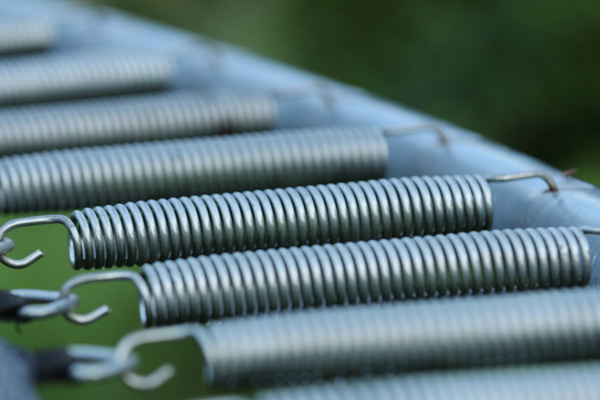
We know that within the elastic limit, the elongation (or contraction) of the spring is proportional to the external force.
2024-05-22
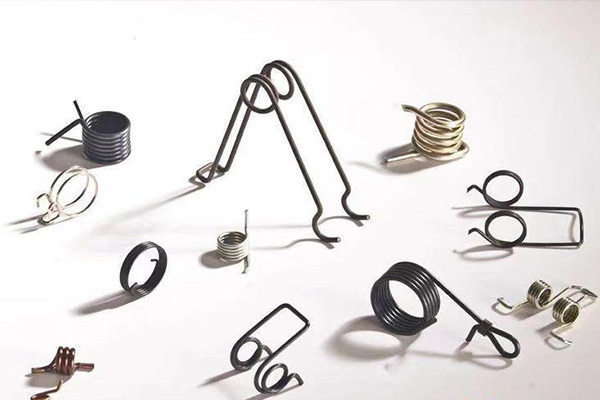
The current pattern of the spring industry
For the spring industry, for a long time, there has been an oversupply of low-grade ordinary springs.
2024-05-22
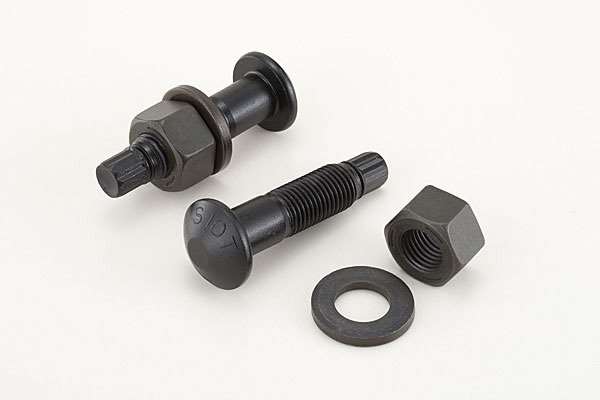
What material is generally used for high-strength bolts?
The upper limit of the tensile strength of the material used in high-strength bolts has a lot to do with the quenching treatment.
2024-05-22


Service E-mail
Service TEL
Address
Handan City, Hebei Province, China
To inquire about our products, please leave your email to us and we will contact you within 24 hours.
