



Enhancing User Experience: The Role of Embedded Parts in Equipment Design
2025-10-24
Enhancing User Experience: The Role of Embedded Parts in Equipment Design
Table of Contents
Introduction to Embedded Parts in Equipment Design
Understanding Embedded Parts and Their Functionality
The Importance of User Experience in Equipment Design
Impact of Embedded Parts on User Experience
Increased Durability and Reliability
Ease of Maintenance
Enhancing User Experience: The Role of Embedded Parts in Equipment Design
Table of Contents
- Introduction to Embedded Parts in Equipment Design
- Understanding Embedded Parts and Their Functionality
- The Importance of User Experience in Equipment Design
- Impact of Embedded Parts on User Experience
- Key Design Considerations for Embedded Parts
- Emerging Technologies in Embedded Parts
- Industry Case Studies: Successful Implementation of Embedded Parts
- Future Trends in Embedded Equipment Design
- Conclusion
- Frequently Asked Questions
Introduction to Embedded Parts in Equipment Design
In today’s competitive industrial landscape, the design of equipment plays a pivotal role in operational efficiency and user satisfaction. **Embedded parts**—such as fasteners and connectors—are fundamental components that often go unnoticed yet significantly influence the overall performance, safety, and user experience of machinery and tools. This article delves into how these embedded parts enhance user experience in equipment design, illuminating their crucial role in creating effective, responsive products.
Understanding Embedded Parts and Their Functionality
Embedded parts are integrated components within industrial equipment that facilitate various functions, including structural integrity, connectivity, and user interaction. These parts are strategically placed within the design to ensure that they perform effectively while maintaining the aesthetics and ergonomics of the equipment. Common examples include bolts, screws, nuts, and specialized connectors that hold machinery together and enable seamless operation.
The Mechanics Behind Embedded Parts
The mechanical functionality of embedded parts is vital. For instance, fasteners are designed to withstand specific loads and stresses, ensuring that equipment remains operational under various conditions. Each component is engineered with precision, using materials that are selected based on their performance characteristics, such as tensile strength and corrosion resistance.
The Importance of User Experience in Equipment Design
User experience (UX) in equipment design encompasses all aspects of end-user interaction with the product. A positive UX is essential for improving customer satisfaction, reducing training times, and minimizing operational errors. In industrial settings, where equipment is often used for demanding tasks, ensuring that users can operate machinery intuitively is paramount.
Factors Influencing User Experience
Several factors contribute to user experience, including ease of use, accessibility, functionality, and the overall design aesthetic. Each of these elements must be carefully considered during the design phase to create equipment that meets user needs and enhances their interactions with the product.
Impact of Embedded Parts on User Experience
The role of embedded parts in enhancing user experience cannot be overstated. These components contribute to the overall quality and usability of industrial equipment in several key ways.
Increased Durability and Reliability
Durability is a critical concern in equipment design. Embedded parts are engineered to enhance the longevity of machinery. For instance, high-quality fasteners can prevent loosening over time, reducing the risk of equipment failure. This reliability ensures that users can depend on their tools, leading to improved productivity and reduced downtime.
Ease of Maintenance and Repair
Maintenance is a necessary aspect of equipment ownership. Embedded parts that facilitate easy disassembly and reassembly are vital in promoting user-friendly maintenance practices. Components designed for quick access can significantly reduce the time and effort required for repairs, further enhancing the overall user experience.
Enhanced Safety Features
Safety is a primary concern in equipment design. Embedded parts play a crucial role in ensuring that machinery operates safely. For example, safety fasteners can prevent accidental disengagement of components, thereby protecting users from potential hazards. Incorporating safety features directly into the design of equipment enhances user confidence and satisfaction.
Key Design Considerations for Embedded Parts
To optimize the role of embedded parts in equipment design, several critical considerations must be addressed.
Material Selection
Selecting the right materials for embedded parts is essential for performance. Factors such as environmental conditions, load requirements, and corrosion resistance must be taken into account to ensure that components perform as expected over time. High-quality materials not only enhance durability but also contribute to overall user satisfaction.
Ergonomics and User Interaction
The ergonomic design of embedded parts is crucial to ensure that users can interact with equipment comfortably and intuitively. This includes considering the placement of controls and the shape of handles or grips. Designing with the user in mind can lead to more efficient operation and a more enjoyable user experience.
Testing and Validation Processes
Robust testing and validation processes are essential to ensure that embedded parts function as intended. This includes stress testing, usability testing, and safety assessments. Comprehensive testing helps to identify potential issues early in the design process, allowing for improvements that can enhance user experience.
Emerging Technologies in Embedded Parts
The advent of new technologies is continuously shaping the landscape of embedded parts in equipment design. Innovations such as 3D printing and smart materials allow for the creation of more complex, efficient, and user-friendly components.
3D Printing
3D printing technology enables designers to create customized embedded parts that meet specific user needs. This flexibility allows for rapid prototyping and iterative design processes, leading to better final products that enhance user experience.
Smart Materials
Smart materials, which can adapt their properties based on environmental conditions, are becoming increasingly popular in equipment design. These materials can improve user interaction by providing feedback, enhancing safety, and increasing overall functionality.
Industry Case Studies: Successful Implementation of Embedded Parts
Examining real-world examples can provide valuable insights into the effectiveness of embedded parts in improving user experience. Several industries, including aerospace, automotive, and manufacturing, have successfully integrated advanced embedded components into their designs.
Aerospace Industry
In the aerospace industry, the use of lightweight fasteners has significantly improved fuel efficiency and safety in aircraft design. By incorporating high-strength, lightweight materials into their embedded components, manufacturers have enhanced performance and reduced operational costs.
Automotive Industry
Automakers are increasingly adopting embedded parts that improve safety and performance in vehicles. Innovative fasteners that provide real-time diagnostics can alert users to potential issues before they become serious problems, enhancing driver safety and satisfaction.
Future Trends in Embedded Equipment Design
As technology continues to evolve, the future of embedded parts in equipment design is promising. Trends such as the integration of artificial intelligence (AI) and the Internet of Things (IoT) are expected to revolutionize how embedded components function and interact with users.
AI in Equipment Design
AI can play a critical role in optimizing the design and functionality of embedded parts. By analyzing user interaction data, manufacturers can refine their designs to better meet the needs of users, leading to enhanced satisfaction and performance.
IoT Connectivity
The integration of IoT technology into equipment design allows for real-time monitoring and data collection. Embedded parts can communicate their status to users, facilitating timely maintenance and ensuring optimal performance.
Conclusion
In conclusion, embedded parts are a vital aspect of equipment design that significantly influences user experience. By focusing on the functionality, durability, and safety of these components, manufacturers can create machinery that not only meets but exceeds user expectations. As technology continues to advance, the role of embedded parts will only become more critical in shaping the future of industrial equipment design. Prioritizing user experience through thoughtful integration of embedded parts will pave the way for innovative solutions that enhance efficiency and satisfaction in every interaction.
Frequently Asked Questions
1. What are embedded parts in equipment design?
Embedded parts are components integrated into industrial equipment that enhance functionality, safety, and user experience, such as fasteners and connectors.
2. How do embedded parts affect user experience?
Embedded parts contribute to user experience by improving durability, ease of maintenance, and safety, allowing users to operate equipment more effectively and confidently.
3. What materials are commonly used for embedded parts?
Common materials include metals such as steel and aluminum for fasteners, as well as advanced materials like composites and plastics for specific applications, chosen for their strength and resistance to corrosion.
4. Why is ergonomic design important for embedded parts?
Ergonomic design ensures that users can interact with equipment comfortably and intuitively, reducing the risk of strain or injury and enhancing overall user satisfaction.
5. What are some emerging technologies in embedded parts?
Emerging technologies include 3D printing, which allows for custom designs, and smart materials that adapt to environmental changes, improving functionality and user interaction.
Key words:
RELATED INFORMATION
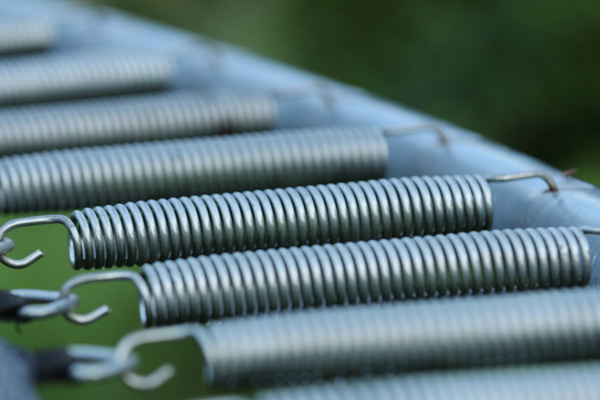
We know that within the elastic limit, the elongation (or contraction) of the spring is proportional to the external force.
2024-05-22
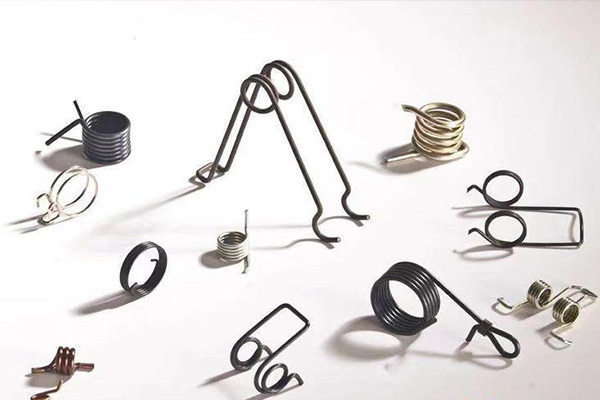
The current pattern of the spring industry
For the spring industry, for a long time, there has been an oversupply of low-grade ordinary springs.
2024-05-22
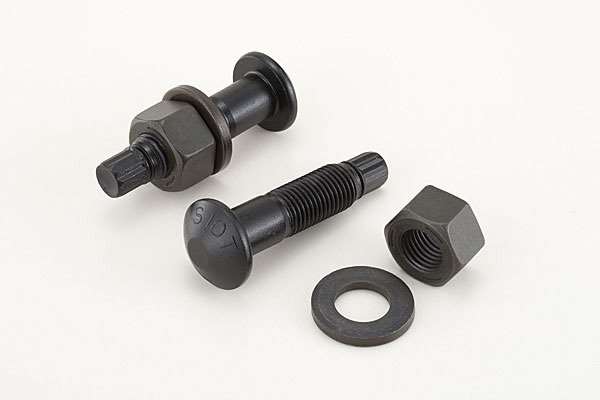
What material is generally used for high-strength bolts?
The upper limit of the tensile strength of the material used in high-strength bolts has a lot to do with the quenching treatment.
2024-05-22


Service E-mail
Service TEL
Address
Handan City, Hebei Province, China
To inquire about our products, please leave your email to us and we will contact you within 24 hours.
