



Understanding Welding Nails: A Comprehensive Guide for Industrial Applications
2025-10-11
Welding nails, also referred to as weld pins or stud welds, are unique fasteners that facilitate the joining of materials through a welding process. Unlike traditional nails, which rely on friction or mechanical interlocking to hold materials together, welding nails achieve a permanent bond by melting the base material at the point of contact through heat generated by an electric arc or other weld
Welding nails, also referred to as weld pins or stud welds, are unique fasteners that facilitate the joining of materials through a welding process. Unlike traditional nails, which rely on friction or mechanical interlocking to hold materials together, welding nails achieve a permanent bond by melting the base material at the point of contact through heat generated by an electric arc or other welding methods.
One of the primary advantages of welding nails is their ability to create strong, permanent connections in a fraction of the time it would take with conventional fastening methods. This efficiency is particularly beneficial in high-volume production environments where speed and reliability are paramount. Additionally, welding nails can be applied to a wide variety of materials, including metals and certain plastics, making them versatile for many applications.
In industrial settings, proper selection and application of welding nails are crucial for ensuring optimal performance. When choosing welding nails, factors such as material compatibility, surface conditions, and the specific welding process used must be considered. For instance, certain welding nails are better suited for thicker materials, while others excel in thin sheet applications. Understanding these nuances can significantly impact the effectiveness of the fastening solution.
Moreover, the installation process of welding nails is relatively straightforward but requires precise control to ensure quality welds. Typically, a welding gun is used to apply heat and pressure, fusing the nail to the base material. Operators must be trained in the appropriate techniques and safety precautions to avoid defects such as weak joints or incomplete welds, which can compromise structural integrity.
Another critical consideration is the environmental factors that may affect the use of welding nails. For example, exposure to corrosive environments may necessitate the use of specialized coatings or materials to enhance durability. Additionally, understanding the thermal properties of the materials being joined is essential, as excessive heat can lead to warping or other material failures.
In conclusion, welding nails are an essential component in the toolkit of industrial fasteners and connectors. Their ability to provide strong, reliable connections quickly makes them invaluable in many applications, from construction to manufacturing. By understanding the characteristics, advantages, and proper application techniques of welding nails, professionals can optimize their use and enhance the overall quality of their projects. Whether you are involved in large-scale industrial operations or smaller fabrication tasks, incorporating welding nails into your fastening solutions can lead to significant improvements in efficiency and reliability.
One of the primary advantages of welding nails is their ability to create strong, permanent connections in a fraction of the time it would take with conventional fastening methods. This efficiency is particularly beneficial in high-volume production environments where speed and reliability are paramount. Additionally, welding nails can be applied to a wide variety of materials, including metals and certain plastics, making them versatile for many applications.
In industrial settings, proper selection and application of welding nails are crucial for ensuring optimal performance. When choosing welding nails, factors such as material compatibility, surface conditions, and the specific welding process used must be considered. For instance, certain welding nails are better suited for thicker materials, while others excel in thin sheet applications. Understanding these nuances can significantly impact the effectiveness of the fastening solution.
Moreover, the installation process of welding nails is relatively straightforward but requires precise control to ensure quality welds. Typically, a welding gun is used to apply heat and pressure, fusing the nail to the base material. Operators must be trained in the appropriate techniques and safety precautions to avoid defects such as weak joints or incomplete welds, which can compromise structural integrity.
Another critical consideration is the environmental factors that may affect the use of welding nails. For example, exposure to corrosive environments may necessitate the use of specialized coatings or materials to enhance durability. Additionally, understanding the thermal properties of the materials being joined is essential, as excessive heat can lead to warping or other material failures.
In conclusion, welding nails are an essential component in the toolkit of industrial fasteners and connectors. Their ability to provide strong, reliable connections quickly makes them invaluable in many applications, from construction to manufacturing. By understanding the characteristics, advantages, and proper application techniques of welding nails, professionals can optimize their use and enhance the overall quality of their projects. Whether you are involved in large-scale industrial operations or smaller fabrication tasks, incorporating welding nails into your fastening solutions can lead to significant improvements in efficiency and reliability.
Key words:
RELATED INFORMATION
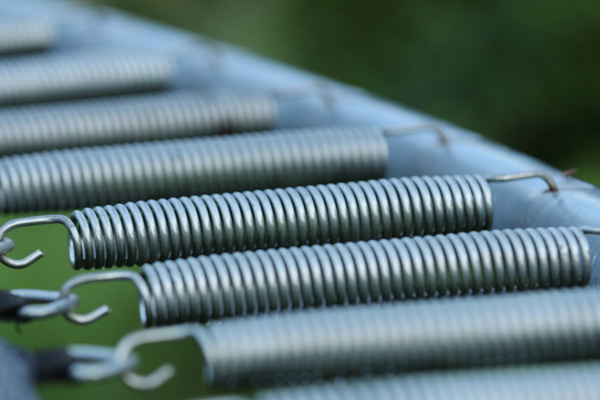
We know that within the elastic limit, the elongation (or contraction) of the spring is proportional to the external force.
2024-05-22
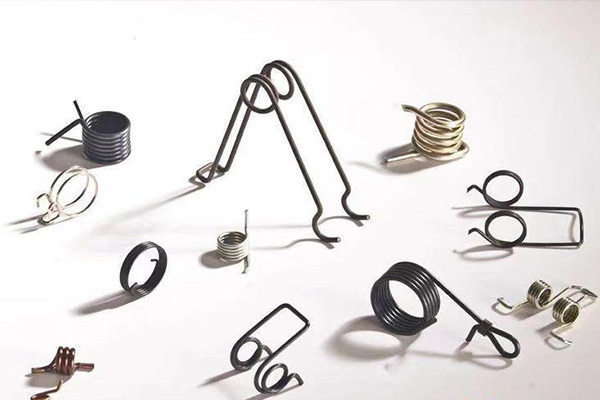
The current pattern of the spring industry
For the spring industry, for a long time, there has been an oversupply of low-grade ordinary springs.
2024-05-22
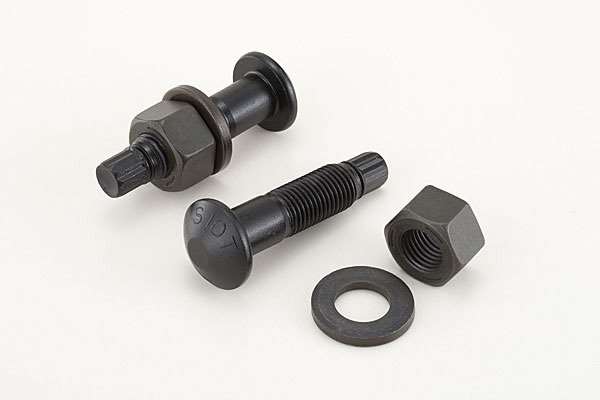
What material is generally used for high-strength bolts?
The upper limit of the tensile strength of the material used in high-strength bolts has a lot to do with the quenching treatment.
2024-05-22


Service E-mail
Service TEL
Address
Handan City, Hebei Province, China
To inquire about our products, please leave your email to us and we will contact you within 24 hours.
