



How Stainless Steel Pins Enhance Product Reliability: An In-Depth Analysis
2026-05-24
How Stainless Steel Pins Enhance Product Reliability
Table of Contents
1. Introduction to Stainless Steel Pins
2. What Are Stainless Steel Pins?
3. Advantages of Using Stainless Steel Pins
3.1 Corrosion Resistance
3.2 Mechanical Strength
3.3 Temperature Stability
3.4 Versatility in Applications
4. Applications of Stainless Steel Pins
How Stainless Steel Pins Enhance Product Reliability
Table of Contents
- 1. Introduction to Stainless Steel Pins
- 2. What Are Stainless Steel Pins?
- 3. Advantages of Using Stainless Steel Pins
- 3.1 Corrosion Resistance
- 3.2 Mechanical Strength
- 3.3 Temperature Stability
- 3.4 Versatility in Applications
- 4. Applications of Stainless Steel Pins in Industries
- 5. Choosing the Right Stainless Steel Pin for Your Needs
- 6. Common FAQs About Stainless Steel Pins
- 7. Conclusion
1. Introduction to Stainless Steel Pins
In the world of industrial fasteners, **stainless steel pins** have emerged as a cornerstone for enhancing product reliability. These components are used across a multitude of sectors, including manufacturing, automotive, medical, and construction, where strength and durability are paramount. Understanding how these pins work and their benefits is essential for engineers and manufacturers aiming to optimize their products.
2. What Are Stainless Steel Pins?
Stainless steel pins are precision-engineered fasteners designed to secure and align components in machinery and structures. Typically made from a blend of iron, chromium, and nickel, these pins resist rust and corrosion, making them suitable for both indoor and outdoor applications. Their design can vary significantly, ranging from simple cylindrical forms to more complex shapes, depending on their specific use.
3. Advantages of Using Stainless Steel Pins
Stainless steel pins offer numerous advantages that enhance the reliability of products across various applications.
3.1 Corrosion Resistance
One of the most compelling reasons to choose stainless steel pins is their **corrosion resistance**. The chromium content forms a protective layer that prevents rust and degradation, ensuring that the pins maintain their integrity even in harsh environments. This property is crucial for applications in marine, chemical, and high-moisture settings.
3.2 Mechanical Strength
Stainless steel pins exhibit **high mechanical strength**, making them capable of withstanding significant loads and impacts. This strength is vital in applications requiring durability and longevity, as it reduces the likelihood of failures that could compromise product reliability.
3.3 Temperature Stability
These pins can operate effectively across a wide range of temperatures, making them ideal for applications that experience extreme conditions. Whether in freezing cold or high-heat environments, stainless steel pins retain their structural integrity and performance.
3.4 Versatility in Applications
The versatility of stainless steel pins allows them to be utilized in various industries, from automotive to aerospace. Their adaptability to different designs and specifications enhances the overall functionality of products, making them a preferred choice for engineers and designers.
4. Applications of Stainless Steel Pins in Industries
Stainless steel pins find application in numerous sectors, each benefiting from the unique properties of these fasteners.
4.1 Manufacturing
In the manufacturing industry, stainless steel pins are essential for assembling machinery and equipment. They ensure parts are securely fastened, improving overall operational efficiency. Their resistance to wear and tear reduces maintenance needs, leading to lower operational costs.
4.2 Automotive
Automotive applications rely heavily on stainless steel pins for securing components such as engine parts, body panels, and suspension systems. The strength and durability of these pins contribute to the reliability and safety of vehicles, which is paramount in this sector.
4.3 Medical Devices
In the medical field, stainless steel pins are used in devices like surgical instruments and implants. Their **biocompatibility** and resistance to corrosion make them suitable for use in sterile environments, ensuring patient safety and product reliability.
4.4 Construction
In construction, stainless steel pins provide structural integrity to buildings and infrastructure. They are commonly used in scaffolding, bridges, and other critical structures where safety is a concern. The longevity and strength of these pins ensure that construction projects can withstand the test of time.
5. Choosing the Right Stainless Steel Pin for Your Needs
Selecting the right stainless steel pin involves several considerations. Factors such as size, shape, material grade, and application requirements must be taken into account. Understanding the specific demands of your project will help you choose the most suitable pin type.
1. **Determine Load Requirements**: Assess the load and stress the pin will be subjected to.
2. **Select the Right Material Grade**: Different grades of stainless steel offer varying levels of strength and corrosion resistance.
3. **Consider Environmental Factors**: Evaluate the conditions the pin will be exposed to, such as temperature changes and moisture levels.
4. **Consult with Experts**: When in doubt, seek advice from manufacturers or suppliers who can provide insights into the best options for your specific applications.
6. Common FAQs About Stainless Steel Pins
What are the most common grades of stainless steel used for pins?
The most common grades include 304 and 316 stainless steel. 304 is suitable for general use, while 316 offers superior corrosion resistance, especially in marine applications.
Are stainless steel pins reusable?
Yes, stainless steel pins can often be reused, provided they have not been damaged during initial use.
How can I tell if a stainless steel pin is high quality?
Look for pins that meet industry standards and certifications. High-quality pins will also have a smooth surface finish and precise dimensions.
Can stainless steel pins rust?
While stainless steel is resistant to rust, it is not completely rust-proof. Exposure to harsh chemicals or extreme conditions can lead to corrosion over time.
What are the alternatives to stainless steel pins?
Alternatives include carbon steel pins, aluminum pins, and plastic fasteners. However, each alternative has its own set of advantages and disadvantages compared to stainless steel.
7. Conclusion
Stainless steel pins significantly enhance product reliability across various industries due to their exceptional properties, including corrosion resistance, mechanical strength, and temperature stability. As businesses strive for excellence in manufacturing and design, the choice of fasteners becomes increasingly important. By understanding the benefits and applications of stainless steel pins, manufacturers can make informed decisions that lead to more durable and reliable products. Investing in high-quality stainless steel pins is not just a choice; it’s a commitment to ensuring safety and longevity in every project.
Key words:
RELATED INFORMATION
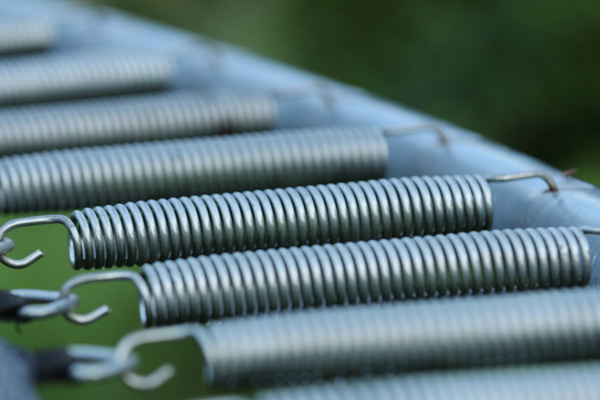
We know that within the elastic limit, the elongation (or contraction) of the spring is proportional to the external force.
2024-05-22
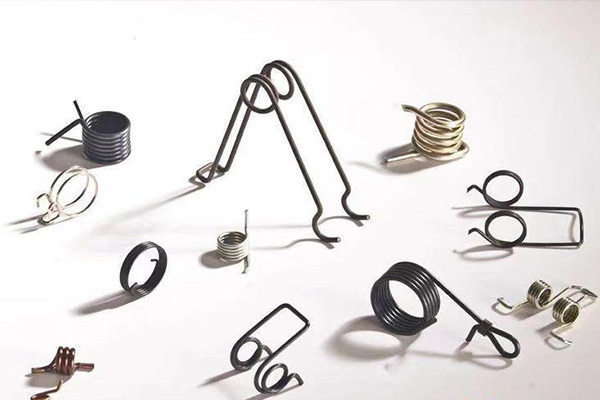
The current pattern of the spring industry
For the spring industry, for a long time, there has been an oversupply of low-grade ordinary springs.
2024-05-22
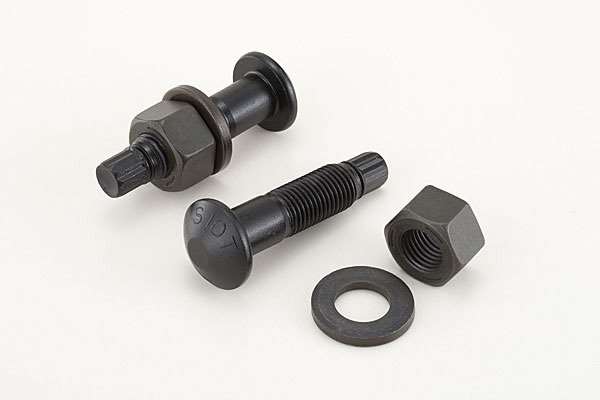
What material is generally used for high-strength bolts?
The upper limit of the tensile strength of the material used in high-strength bolts has a lot to do with the quenching treatment.
2024-05-22


Service E-mail
Service TEL
Address
Handan City, Hebei Province, China
To inquire about our products, please leave your email to us and we will contact you within 24 hours.
