



The Role of Stainless Steel Pins in Electrical Connections: A Comprehensive Guide
2026-04-12
The Role of Stainless Steel Pins in Electrical Connections
Table of Contents
1. Introduction to Stainless Steel Pins
2. Advantages of Using Stainless Steel Pins in Electrical Connections
2.1 Corrosion Resistance
2.2 Strength and Durability
2.3 Thermal Conductivity
3. Applications of Stainless Steel Pins in Electrical Connections
The Role of Stainless Steel Pins in Electrical Connections
Table of Contents
- 1. Introduction to Stainless Steel Pins
- 2. Advantages of Using Stainless Steel Pins in Electrical Connections
- 3. Applications of Stainless Steel Pins in Electrical Connections
- 4. Design Considerations for Stainless Steel Pins
- 5. Installation and Maintenance of Stainless Steel Pins
- 6. Frequently Asked Questions
- 7. Conclusion
1. Introduction to Stainless Steel Pins
Stainless steel pins are essential components in various industries, particularly for creating reliable and efficient electrical connections. Made from an alloy that contains a minimum of 10.5% chromium, stainless steel offers remarkable resistance to oxidation and corrosion, which is crucial for the longevity and reliability of electrical systems. In this article, we will delve into the many aspects of stainless steel pins, illustrating their importance in electrical connections and how they contribute to improved functionality and performance.
2. Advantages of Using Stainless Steel Pins in Electrical Connections
Stainless steel pins provide numerous benefits that make them ideal for electrical connections. Below, we will explore some of the key advantages.
2.1 Corrosion Resistance
Corrosion is one of the most significant threats to electrical connections, leading to failures and performance issues over time. Stainless steel pins are inherently resistant to rust and corrosion, thanks to the protective oxide layer formed on their surface. This feature is especially beneficial in environments exposed to moisture, chemicals, or extreme temperatures.
2.2 Strength and Durability
Another important advantage of stainless steel pins is their strength and durability. Stainless steel has a high tensile strength, allowing it to withstand significant stress without deforming. This durability ensures that electrical connections remain intact, reducing the likelihood of failures caused by mechanical fatigue or environmental factors.
2.3 Thermal Conductivity
Electrical connections often generate heat during operation, which can lead to performance issues if not properly dissipated. Stainless steel pins have excellent thermal conductivity properties, enabling effective heat dissipation. This characteristic helps maintain optimal operating temperatures, ensuring the reliability and efficiency of electrical systems.
3. Applications of Stainless Steel Pins in Electrical Connections
Stainless steel pins are used in a wide range of applications across several industries. Below, we will discuss some of the prominent sectors where these components play a crucial role.
3.1 Aerospace Industry
In the aerospace industry, safety and reliability are paramount. Stainless steel pins are utilized in various electrical connections within aircraft, such as control systems and navigation equipment. Their corrosion resistance and durability ensure that these critical components can operate effectively under extreme conditions.
3.2 Automotive Industry
The automotive sector also benefits from the use of stainless steel pins in electrical connections. Modern vehicles rely heavily on electronic systems, and stainless steel pins provide the necessary reliability for components like sensors, wiring harnesses, and battery connections. Their strength and resistance to environmental factors contribute to the overall performance and safety of vehicles.
3.3 Renewable Energy Sector
As the world shifts toward renewable energy solutions, stainless steel pins are becoming increasingly important in this sector. They are commonly used in solar panels and wind turbines, where reliable electrical connections are crucial for optimal performance. The corrosion resistance of stainless steel helps ensure that these systems remain operational for extended periods, even in challenging environments.
4. Design Considerations for Stainless Steel Pins
When selecting stainless steel pins for electrical connections, several design considerations must be taken into account. These factors play a crucial role in ensuring that the pins function effectively and meet the specific requirements of the application.
4.1 Size and Shape
The size and shape of stainless steel pins significantly impact their functionality in electrical connections. Selecting the appropriate dimensions ensures a snug fit while allowing for easy installation and removal. Additionally, the shape of the pin can affect its load-bearing capacity and overall performance.
4.2 Material Grade
Different grades of stainless steel offer varying levels of corrosion resistance, strength, and thermal conductivity. It is essential to choose the right material grade based on the specific application requirements. For example, 316 stainless steel is often preferred for marine applications due to its superior corrosion resistance, while 304 stainless steel is suitable for less demanding environments.
4.3 Surface Finish
The surface finish of stainless steel pins can also affect their performance in electrical connections. A smooth finish can reduce friction during installation and minimize the risk of damage to surrounding components. Additionally, surface treatments such as passivation can enhance corrosion resistance, further extending the lifespan of the pins.
5. Installation and Maintenance of Stainless Steel Pins
Proper installation and maintenance of stainless steel pins are crucial for ensuring their longevity and optimal performance in electrical connections. Below, we will discuss some key techniques and tips for effective installation and maintenance.
5.1 Installation Techniques
When installing stainless steel pins, it is important to follow best practices to ensure a secure connection. Here are some essential techniques:
1. **Clean the Surface**: Before installation, ensure that the surfaces of the electrical components are clean and free from contaminants. This step helps to prevent corrosion and ensures a good electrical connection.
2. **Use the Right Tools**: Utilize appropriate tools for installation to avoid damaging the pins or surrounding components. Using the correct torque settings is also essential to prevent over-tightening.
3. **Inspect Connections**: After installation, visually inspect the connections to ensure they are secure and free from damage. This step helps identify potential issues before they escalate.
5.2 Maintenance Tips
Regular maintenance of stainless steel pins can help prolong their lifespan and ensure optimal performance. Here are some maintenance tips:
1. **Regular Inspections**: Periodically inspect the pins for signs of corrosion or wear. Addressing issues early can prevent more significant problems down the line.
2. **Clean Regularly**: Clean the pins and surrounding components to remove any dirt, debris, or corrosive substances that may accumulate over time.
3. **Monitor Environmental Conditions**: If the electrical connections are subject to harsh environmental conditions, consider implementing protective measures such as coatings or enclosures to shield the pins from corrosive elements.
6. Frequently Asked Questions
What are stainless steel pins used for in electrical connections?
Stainless steel pins are used to create reliable and durable electrical connections in various applications, providing resistance to corrosion, mechanical stress, and thermal effects.
What grades of stainless steel are best for electrical connections?
Common grades for electrical connections include 304 and 316 stainless steel. The choice depends on the specific application and environmental factors, with 316 being more suitable for corrosive environments.
How do I ensure a proper installation of stainless steel pins?
To ensure proper installation, clean the surfaces, use the right tools, and visually inspect the connections after installation for security and integrity.
Can stainless steel pins corrode, and how can I prevent it?
While stainless steel pins are resistant to corrosion, they can still corrode under certain conditions. Regular cleaning, inspections, and protective coatings can help minimize the risk.
What maintenance steps should I take for stainless steel pins?
Regular inspections, cleaning, and monitoring environmental conditions are crucial maintenance steps to ensure the longevity and performance of stainless steel pins in electrical connections.
7. Conclusion
Stainless steel pins play a pivotal role in ensuring reliable electrical connections across various industries. Their inherent advantages, including corrosion resistance, strength, and thermal conductivity, make them an ideal choice for applications ranging from aerospace to renewable energy. By understanding their importance and following best practices for design, installation, and maintenance, we can ensure that these critical components function effectively and contribute to the overall reliability of electrical systems. As technology continues to evolve, the significance of stainless steel pins in electrical connections will only grow, making it essential to stay informed about their applications and benefits.
Key words:
RELATED INFORMATION
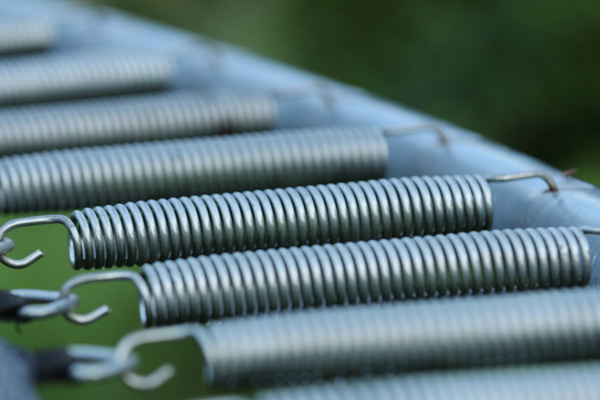
We know that within the elastic limit, the elongation (or contraction) of the spring is proportional to the external force.
2024-05-22
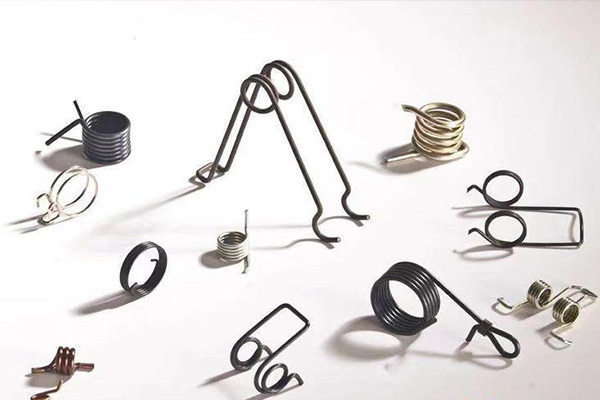
The current pattern of the spring industry
For the spring industry, for a long time, there has been an oversupply of low-grade ordinary springs.
2024-05-22
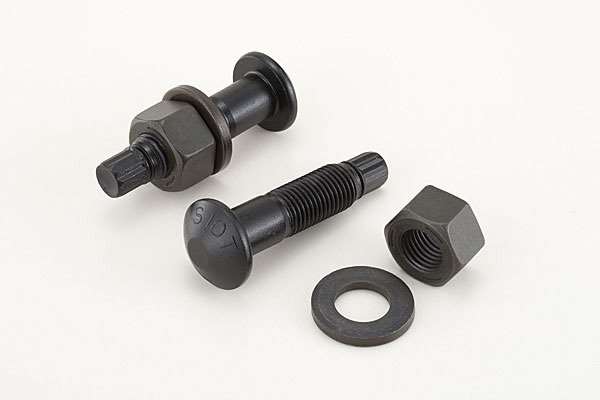
What material is generally used for high-strength bolts?
The upper limit of the tensile strength of the material used in high-strength bolts has a lot to do with the quenching treatment.
2024-05-22


Service E-mail
Service TEL
Address
Handan City, Hebei Province, China
To inquire about our products, please leave your email to us and we will contact you within 24 hours.
