



Why Embedded Parts Are Essential for Stronger Connections in Machinery
2026-02-21
Why Embedded Parts Are Essential for Stronger Connections in Machinery
Introduction to Embedded Parts in Machinery
In the realm of industrial equipment and components, the significance of embedded parts cannot be overstated. These crucial elements form the backbone of machinery, ensuring that connections are not only strong but also reliable over time. **Embedded parts** refer to components that a
Why Embedded Parts Are Essential for Stronger Connections in Machinery
Introduction to Embedded Parts in Machinery
In the realm of industrial equipment and components, the significance of embedded parts cannot be overstated. These crucial elements form the backbone of machinery, ensuring that connections are not only strong but also reliable over time. **Embedded parts** refer to components that are integrated directly into a larger assembly, providing enhanced stability and support. This article delves into the myriad benefits of embedded parts, shedding light on their role in fostering stronger connections in machinery.
Table of Contents
1. Understanding Embedded Parts
2. Benefits of Embedded Parts in Machinery
2.1 Enhanced Structural Integrity
2.2 Reduced Maintenance Costs
2.3 Improved Performance and Efficiency
3. Applications of Embedded Parts in Different Industries
3.1 Automotive Industry
3.2 Aerospace Sector
3.3 Construction Equipment
4. Choosing the Right Embedded Parts
5. Future Trends in Embedded Parts Technology
6. FAQs
7. Conclusion
1. Understanding Embedded Parts
Embedded parts are typically designed to provide necessary support and reinforcement within various machinery assemblies. Unlike traditional fasteners, which are usually external and can be subject to loosening or failure, embedded parts are integrated into the structure itself. This integration creates a more robust connection, enhancing the overall durability of the machinery.
Manufacturers utilize various materials for embedded parts, including metals, composites, and polymers, depending on the specific requirements of the application. The choice of material not only affects the performance of the part but also its resistance to environmental factors such as corrosion and wear.
2. Benefits of Embedded Parts in Machinery
The implementation of embedded parts in machinery offers several key advantages that contribute to stronger and more reliable connections.
2.1 Enhanced Structural Integrity
One of the most significant benefits of using embedded parts is the **enhanced structural integrity** they provide. By being integrated into the assembly, these parts distribute loads more evenly across the structure. This even load distribution minimizes stress concentrations, which can lead to failures in traditional fastener systems.
Moreover, embedded parts can be engineered to withstand extreme conditions, making them ideal for high-stress applications. Their ability to remain securely in place under various operational scenarios ensures that machinery operates smoothly without unexpected disruptions.
2.2 Reduced Maintenance Costs
Maintaining machinery can be a costly endeavor, especially when frequent repairs or replacements are needed. Embedded parts help reduce maintenance costs by minimizing the likelihood of failure. Since these components are designed to be an integral part of the structure, they are less prone to loosening or becoming dislodged during operation.
Furthermore, the longevity of embedded parts often exceeds that of traditional fasteners, resulting in fewer replacements over time. This reduction in maintenance needs not only saves money but also minimizes downtime, allowing for more efficient operations.
2.3 Improved Performance and Efficiency
The incorporation of embedded parts contributes to improved overall performance and efficiency of machinery. With a more secure connection, machinery can operate at higher speeds and with greater precision. This increased performance can lead to enhanced productivity, as machines are able to perform tasks more effectively.
Additionally, the proper integration of embedded parts can result in reduced weight for machinery components, further enhancing efficiency. Lighter machinery often translates into lower energy consumption, benefiting both the environment and operating costs.
3. Applications of Embedded Parts in Different Industries
Embedded parts find their applications across a variety of industries, with each sector benefiting from their unique advantages.
3.1 Automotive Industry
In the automotive industry, embedded parts are crucial for the assembly of vehicles. They are used in various components, such as engines, transmissions, and structural frames. The integration of these parts ensures that connections remain strong, contributing to the safety and reliability of vehicles.
For instance, embedded fasteners in engine assemblies can withstand the high temperatures and pressures associated with operation, preventing failures that could lead to costly repairs and safety concerns.
3.2 Aerospace Sector
The aerospace sector relies heavily on embedded parts for the construction of aircraft. Given the stringent safety and performance standards in this industry, the reliability of connections is paramount. Embedded components are employed in structural elements, as well as in critical systems such as avionics and propulsion.
By ensuring that parts remain securely fastened even in the harsh conditions of flight, manufacturers can enhance the safety and performance of aircraft, making embedded parts indispensable in this field.
3.3 Construction Equipment
Heavy machinery used in construction, such as excavators and cranes, also benefit from embedded parts. These components provide the strength needed to support massive loads and withstand the rigors of construction environments. The durability of embedded parts minimizes the risk of mechanical failures, ensuring that equipment operates efficiently and safely on job sites.
4. Choosing the Right Embedded Parts
Selecting the appropriate embedded parts for machinery is crucial for ensuring optimal performance and reliability. Several factors should be considered:
- **Material Selection**: The choice of material affects the strength, weight, and corrosion resistance of embedded parts. Manufacturers must consider the operational environment and mechanical loads when selecting materials.
- **Design Compatibility**: Embedded parts must be designed to fit seamlessly within the existing machinery structure. Proper engineering ensures that the components perform as intended without compromising the integrity of the assembly.
- **Manufacturing Standards**: Adherence to industry standards and guidelines is essential in the production of embedded parts. Compliance ensures that the components meet safety and performance requirements.
5. Future Trends in Embedded Parts Technology
As technology continues to evolve, the future of embedded parts looks promising. Innovations in materials science, including the development of advanced composites and smart materials, are set to enhance the capabilities of embedded components. These advancements may lead to lighter, stronger, and more efficient embedded parts that can further improve machinery performance.
Additionally, the integration of IoT (Internet of Things) technology into embedded parts may allow for real-time monitoring of machinery conditions. This capability could lead to predictive maintenance, reducing downtime and enhancing operational efficiency.
6. FAQs
What are embedded parts in machinery?
Embedded parts are components that are integrated directly into a machinery assembly to provide enhanced strength and reliability in connections.
How do embedded parts contribute to structural integrity?
They distribute loads evenly, minimizing stress concentrations and reducing the likelihood of failure compared to traditional fasteners.
Why are embedded parts more cost-effective in the long run?
They reduce maintenance needs and the frequency of replacements, leading to lower operational costs and less downtime.
What industries utilize embedded parts?
Embedded parts are commonly used in the automotive, aerospace, and construction industries, among others.
What factors should be considered when selecting embedded parts?
Material selection, design compatibility, and adherence to manufacturing standards are key considerations when choosing embedded parts.
7. Conclusion
In conclusion, embedded parts play a vital role in ensuring stronger connections in machinery across various industries. Their ability to enhance structural integrity, reduce maintenance costs, and improve overall performance makes them indispensable in modern equipment design. As technology advances, the capabilities of embedded parts will only continue to grow, paving the way for more efficient and reliable machinery. Embracing these innovations will not only benefit manufacturers but also enhance the safety and performance of industrial applications. Understanding the significance of embedded parts is crucial for optimizing machinery performance and achieving long-term operational success.
Key words:
RELATED INFORMATION
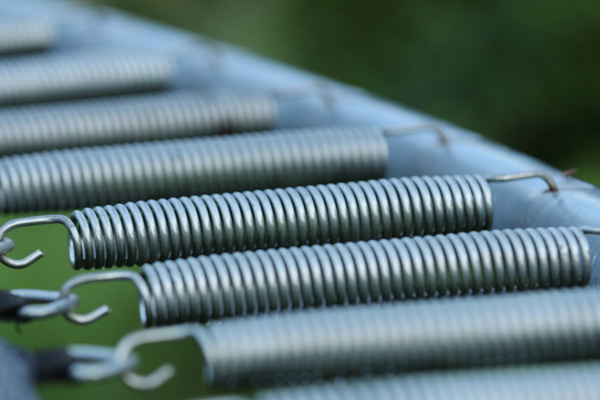
We know that within the elastic limit, the elongation (or contraction) of the spring is proportional to the external force.
2024-05-22
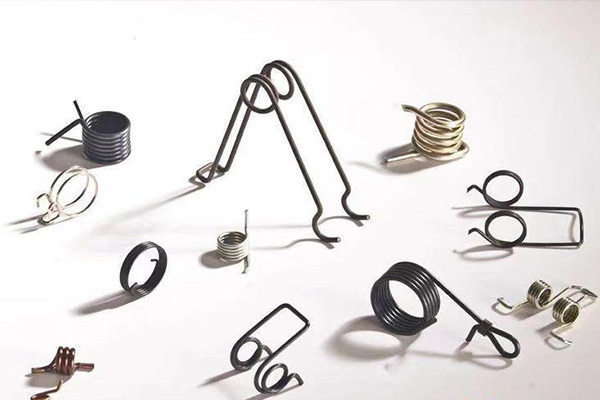
The current pattern of the spring industry
For the spring industry, for a long time, there has been an oversupply of low-grade ordinary springs.
2024-05-22
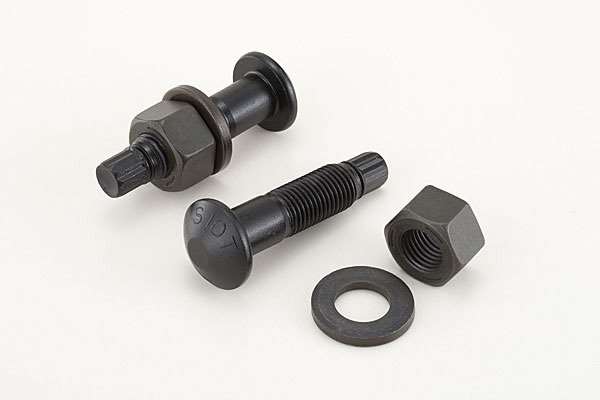
What material is generally used for high-strength bolts?
The upper limit of the tensile strength of the material used in high-strength bolts has a lot to do with the quenching treatment.
2024-05-22


Service E-mail
Service TEL
Address
Handan City, Hebei Province, China
To inquire about our products, please leave your email to us and we will contact you within 24 hours.
