



Stainless Steel Pins in Aerospace: Meeting High Standards for Quality and Durability
2025-12-13
Stainless Steel Pins in Aerospace: Meeting High Standards for Quality and Durability
Table of Contents
Introduction to Stainless Steel Pins in Aerospace
The Importance of Stainless Steel Pins in Aviation
Key Material Properties of Stainless Steel
Manufacturing Processes for Aerospace Stainless Steel Pins
Forging Techniques
Precisi
Stainless Steel Pins in Aerospace: Meeting High Standards for Quality and Durability
Table of Contents
- Introduction to Stainless Steel Pins in Aerospace
- The Importance of Stainless Steel Pins in Aviation
- Key Material Properties of Stainless Steel
- Manufacturing Processes for Aerospace Stainless Steel Pins
- Applications of Stainless Steel Pins in Aerospace
- Aerospace Standards and Certifications
- Advantages of Using Stainless Steel Pins in Aerospace
- Conclusion: Ensuring Safety and Reliability
- FAQs About Stainless Steel Pins in Aerospace
Introduction to Stainless Steel Pins in Aerospace
In the aerospace industry, **safety, precision, and reliability** are paramount. **Stainless steel pins** play a critical role in ensuring the structural integrity and performance of various aircraft components. These fasteners are designed to withstand extreme conditions, including high pressures, temperature fluctuations, and corrosive environments. This article delves into the standards governing stainless steel pins, the materials used in their production, their applications, and the advantages they provide in the aerospace sector.
The Importance of Stainless Steel Pins in Aviation
Stainless steel pins are indispensable in various applications within the aerospace industry. They serve as fasteners, connectors, and support elements in critical systems. The **high strength-to-weight ratio** of stainless steel makes it an ideal choice for aerospace applications where every ounce counts. Furthermore, the resistance of stainless steel to corrosion and fatigue is vital for components that experience repeated stress over time.
Key Material Properties of Stainless Steel
For aerospace applications, the choice of stainless steel is crucial. The most commonly used grades include **304, 316, and 17-4 PH stainless steel**. Each grade offers unique properties that contribute to the overall performance of the pins:
Corrosion Resistance
Stainless steel exhibits excellent resistance to rust and corrosion, primarily due to the formation of a passive oxide layer on its surface. This property is particularly important in aerospace applications, where environmental factors can lead to material degradation.
Strength and Durability
The mechanical properties of stainless steel allow it to maintain its strength under extreme conditions. High tensile strength and fatigue resistance are essential for pins that will be subjected to rigorous operational demands.
Tensile Strength
Tensile strength measures the material’s ability to withstand pulling forces without breaking. Stainless steel pins boast high tensile strength, ensuring that they can support loads effectively.
Temperature Resistance
In aerospace applications, components may be exposed to significant temperature variations. Stainless steel performs well under both extreme heat and cold, making it reliable for various flight conditions.
Manufacturing Processes for Aerospace Stainless Steel Pins
The manufacturing of stainless steel pins for aerospace applications involves several key processes to ensure precision and quality. Understanding these processes is essential for appreciating the high standards required in the industry.
Forging Techniques
The forging of stainless steel pins is a fundamental process that imparts strength and durability. By shaping the metal through compressive forces, manufacturers create a dense and robust product. This process often leads to improved mechanical properties compared to cast or machined parts.
Precision Machining Processes
After forging, precision machining is employed to achieve the exact dimensions and tolerances required. Techniques such as CNC (Computer Numerical Control) machining allow for intricate designs and high repeatability, essential for aerospace components.
Finishing Treatments for Enhanced Performance
Finishing treatments, such as passivation and surface hardening, are applied to enhance the corrosion resistance and wear properties of stainless steel pins. These processes ensure that the final product meets stringent aerospace standards.
Applications of Stainless Steel Pins in Aerospace
Stainless steel pins find a variety of applications in the aerospace industry, contributing to the functionality and safety of aircraft. Some of the key applications include:
Airframe Construction
In airframe assembly, stainless steel pins are used to secure structural components, ensuring stability and strength throughout the aircraft’s lifespan.
Landing Gear Systems
Landing gear systems rely on stainless steel pins for their critical role in the functionality of the gear mechanism. The high strength and durability of these pins are vital for safety during takeoff and landing.
Control Surfaces
Stainless steel pins are also used in the control surfaces of aircraft, providing secure connections that allow for precise maneuverability.
Engine Components
In engine assemblies, stainless steel pins are essential for fastening various components, ensuring that they perform reliably under the high temperatures and pressures characteristic of jet engines.
Aerospace Standards and Certifications
Meeting industry standards is crucial for manufacturers of stainless steel pins in aerospace applications. Various certifications and testing protocols ensure that these components meet the high safety and quality requirements set by organizations such as:
AS9100
This quality management standard focuses on the aerospace sector, ensuring that companies adhere to stringent quality controls throughout the manufacturing process.
ISO 9001
ISO 9001 certification indicates that a manufacturer maintains high standards in quality management systems, contributing to the reliability of their products.
Advantages of Using Stainless Steel Pins in Aerospace
Utilizing stainless steel pins in aerospace applications offers several key advantages:
Long Lifespan
The durability and resistance to corrosion of stainless steel pins ensure a longer service life, reducing the need for frequent replacements and maintenance.
Weight Savings
With the aerospace industry constantly seeking to reduce weight, stainless steel pins provide strength without adding unnecessary bulk, contributing to overall fuel efficiency.
Reliability
The ability of stainless steel pins to perform under extreme conditions without failure enhances the overall reliability of aerospace systems.
Cost-Effectiveness
While stainless steel pins may have a higher upfront cost compared to other materials, their longevity and reduced maintenance needs often lead to cost savings over time.
Conclusion: Ensuring Safety and Reliability
Stainless steel pins are a cornerstone of the aerospace industry, providing essential performance in demanding applications. Their unique properties—such as corrosion resistance, strength, and durability—meet the high standards required for safe and reliable aviation operation. As manufacturers continue to innovate and improve the production processes, the role of stainless steel pins will undoubtedly remain integral to the future of aerospace technology.
FAQs About Stainless Steel Pins in Aerospace
1. What grades of stainless steel are commonly used in aerospace pins?
Common grades include **304, 316, and 17-4 PH**, each offering specific properties tailored for aerospace applications.
2. How are stainless steel pins tested for quality?
Stainless steel pins undergo rigorous testing, including tensile strength tests, corrosion resistance tests, and dimensional checks to ensure they meet industry standards.
3. Why is corrosion resistance important in aerospace applications?
Corrosion resistance is crucial because aircraft components are exposed to harsh environmental conditions, which can lead to failure if the material degrades.
4. How does the manufacturing process affect the performance of stainless steel pins?
The manufacturing process, including forging and precision machining, directly impacts the strength, reliability, and quality of the finished pins.
5. What are the main advantages of using stainless steel pins over other materials?
Advantages include a longer lifespan, lower maintenance requirements, weight savings, and excellent mechanical properties, making them ideal for aerospace applications.
Key words:
RELATED INFORMATION
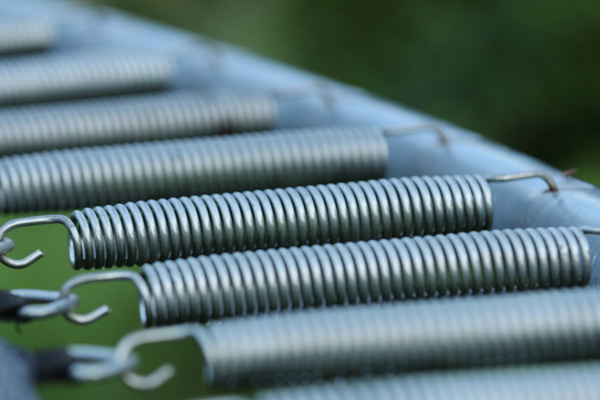
We know that within the elastic limit, the elongation (or contraction) of the spring is proportional to the external force.
2024-05-22
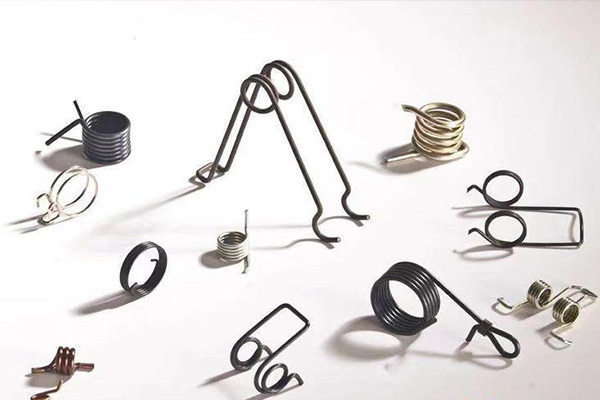
The current pattern of the spring industry
For the spring industry, for a long time, there has been an oversupply of low-grade ordinary springs.
2024-05-22
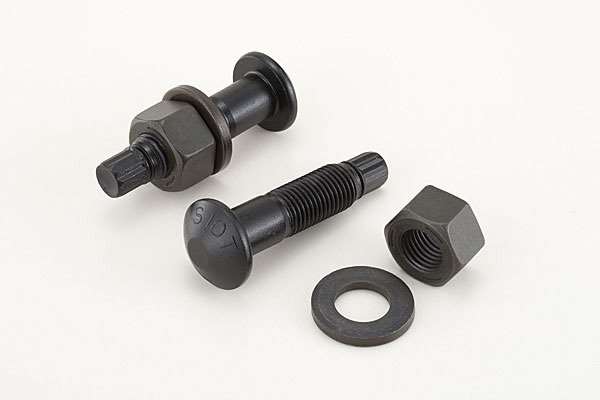
What material is generally used for high-strength bolts?
The upper limit of the tensile strength of the material used in high-strength bolts has a lot to do with the quenching treatment.
2024-05-22


Service E-mail
Service TEL
Address
Handan City, Hebei Province, China
To inquire about our products, please leave your email to us and we will contact you within 24 hours.
