



Understanding Stainless Steel Drill Tail Wire: Key Insights for Professionals
2025-12-06
Stainless steel drill tail wire is an indispensable component in various industrial applications, particularly within the realm of fastening and connecting. Its unique properties make it a preferred choice among professionals looking for durability and reliability in their projects. This wire is characterized by a slender, elongated structure, often utilized in conjunction with drill bits to facil
Stainless steel drill tail wire is an indispensable component in various industrial applications, particularly within the realm of fastening and connecting. Its unique properties make it a preferred choice among professionals looking for durability and reliability in their projects. This wire is characterized by a slender, elongated structure, often utilized in conjunction with drill bits to facilitate the fastening of materials in a wide range of environments, from construction to manufacturing.
One of the primary advantages of stainless steel drill tail wire is its resistance to corrosion, which is critical in many industrial settings where exposure to moisture and harsh chemicals is common. By choosing stainless steel, professionals can ensure that their connections remain intact over time, significantly reducing the risk of failure that can arise from rust and degradation. This attribute not only enhances the longevity of the components but also decreases maintenance frequency and costs.
In terms of functionality, stainless steel drill tail wire can serve multiple purposes. It is often used for securing items together, creating tension, or even serving as a guide for wiring and plumbing installations. Moreover, its inherent strength allows it to withstand significant mechanical stress, making it suitable for both light and heavy-duty applications. Professionals must evaluate the specific requirements of their projects to determine the appropriate gauge and length of wire necessary for optimal performance.
When working with stainless steel drill tail wire, it is essential to consider the manufacturing process. The wire is typically produced through a series of processes that include drawing, annealing, and surface finishing, which help achieve the desired properties in terms of tensile strength and flexibility. Additionally, understanding the wire's compatibility with various materials can also influence its application, as certain combinations may yield better results in terms of structural integrity.
Furthermore, installation techniques can vary significantly depending on the specific application. Professionals should be equipped with the right tools and knowledge to ensure proper handling and installation. For example, utilizing the correct drill bit size is crucial to ensure an accurate fit while avoiding potential damage to the wire or the materials being connected.
In summary, stainless steel drill tail wire plays a vital role in industrial fastening and connecting applications. Its corrosion resistance, mechanical strength, and versatility position it as a key component in various projects. By understanding its properties and applications, professionals can make informed decisions that enhance the efficacy and durability of their work, ensuring successful outcomes in their respective fields.
One of the primary advantages of stainless steel drill tail wire is its resistance to corrosion, which is critical in many industrial settings where exposure to moisture and harsh chemicals is common. By choosing stainless steel, professionals can ensure that their connections remain intact over time, significantly reducing the risk of failure that can arise from rust and degradation. This attribute not only enhances the longevity of the components but also decreases maintenance frequency and costs.
In terms of functionality, stainless steel drill tail wire can serve multiple purposes. It is often used for securing items together, creating tension, or even serving as a guide for wiring and plumbing installations. Moreover, its inherent strength allows it to withstand significant mechanical stress, making it suitable for both light and heavy-duty applications. Professionals must evaluate the specific requirements of their projects to determine the appropriate gauge and length of wire necessary for optimal performance.
When working with stainless steel drill tail wire, it is essential to consider the manufacturing process. The wire is typically produced through a series of processes that include drawing, annealing, and surface finishing, which help achieve the desired properties in terms of tensile strength and flexibility. Additionally, understanding the wire's compatibility with various materials can also influence its application, as certain combinations may yield better results in terms of structural integrity.
Furthermore, installation techniques can vary significantly depending on the specific application. Professionals should be equipped with the right tools and knowledge to ensure proper handling and installation. For example, utilizing the correct drill bit size is crucial to ensure an accurate fit while avoiding potential damage to the wire or the materials being connected.
In summary, stainless steel drill tail wire plays a vital role in industrial fastening and connecting applications. Its corrosion resistance, mechanical strength, and versatility position it as a key component in various projects. By understanding its properties and applications, professionals can make informed decisions that enhance the efficacy and durability of their work, ensuring successful outcomes in their respective fields.
Key words:
RELATED INFORMATION
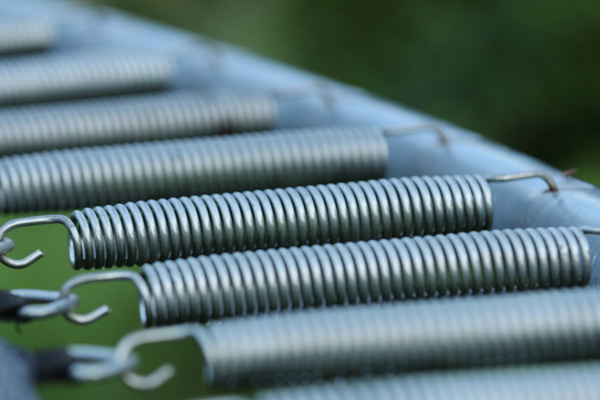
We know that within the elastic limit, the elongation (or contraction) of the spring is proportional to the external force.
2024-05-22
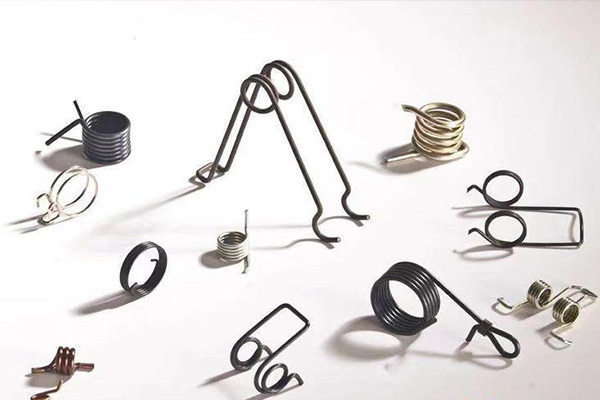
The current pattern of the spring industry
For the spring industry, for a long time, there has been an oversupply of low-grade ordinary springs.
2024-05-22
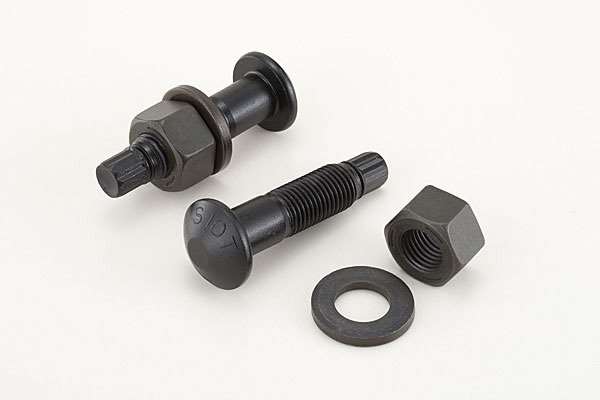
What material is generally used for high-strength bolts?
The upper limit of the tensile strength of the material used in high-strength bolts has a lot to do with the quenching treatment.
2024-05-22


Service E-mail
Service TEL
Address
Handan City, Hebei Province, China
To inquire about our products, please leave your email to us and we will contact you within 24 hours.
