



How to Effectively Incorporate Stainless Steel Pins into Your Design Process
2025-12-01
How to Effectively Incorporate Stainless Steel Pins into Your Design Process
Table of Contents
1. Understanding Stainless Steel Pins
1.1 Definition and Types of Stainless Steel Pins
1.2 Advantages of Using Stainless Steel Pins
2. Applications of Stainless Steel Pins in Design
2.1 Manufacturing and Engineering
2.2 Furniture and Interior Design
3. Selecting the Right Stainless Steel
How to Effectively Incorporate Stainless Steel Pins into Your Design Process
Table of Contents
1. Understanding Stainless Steel Pins
1.1 Definition and Types of Stainless Steel Pins
1.2 Advantages of Using Stainless Steel Pins
2. Applications of Stainless Steel Pins in Design
2.1 Manufacturing and Engineering
2.2 Furniture and Interior Design
3. Selecting the Right Stainless Steel Pin for Your Project
3.1 Key Considerations for Selection
3.2 Comparing Different Grades of Stainless Steel
4. The Design Process: Incorporating Stainless Steel Pins
4.1 Initial Design Considerations
4.2 Prototyping with Stainless Steel Pins
5. Installation Techniques for Stainless Steel Pins
5.1 Tools and Equipment Required
5.2 Best Practices for Installation
6. Maintenance and Care for Stainless Steel Pins
6.1 Regular Inspection and Maintenance
6.2 Cleaning Methods for Longevity
7. Troubleshooting Common Issues with Stainless Steel Pins
7.1 Identifying Common Problems
7.2 Solutions and Preventative Measures
8. Conclusion: The Impact of Stainless Steel Pins on Your Design Process
9. FAQs
1. Understanding Stainless Steel Pins
1.1 Definition and Types of Stainless Steel Pins
Stainless steel pins are cylindrical fasteners made from various grades of stainless steel, characterized by their resistance to corrosion and high tensile strength. These pins are available in different designs, including cylindrical, tapered, and grooved, each serving distinct functions in various applications. Understanding the types of stainless steel pins is crucial for selecting the most suitable option for your design needs.
1.2 Advantages of Using Stainless Steel Pins
The use of stainless steel pins offers numerous benefits. Notably, **corrosion resistance** makes them ideal for outdoor and industrial settings. Their **strength and durability** ensure that they can withstand heavy loads and harsh environments, while their aesthetic appeal adds a touch of sophistication to designs. Additionally, stainless steel pins are easy to install and maintain, making them a practical choice for many applications.
2. Applications of Stainless Steel Pins in Design
2.1 Manufacturing and Engineering
In the manufacturing and engineering sectors, stainless steel pins serve vital roles in structural assembly and machinery. Their reliability and strength make them indispensable for connecting components in machinery, automotive parts, and aerospace applications. The precision of these pins ensures that designs meet strict safety and performance standards.
2.2 Furniture and Interior Design
Stainless steel pins also find applications in furniture and interior design, where they enhance the aesthetic appeal of various fixtures. For example, they can be used in the assembly of modern furniture pieces, providing both structural integrity and a sleek appearance. Designers often incorporate stainless steel pins in creative ways, blending functionality with style.
3. Selecting the Right Stainless Steel Pin for Your Project
3.1 Key Considerations for Selection
Choosing the right stainless steel pin involves several considerations. Factors such as load capacity, environmental conditions, and the specific requirements of the design should guide your decision. It is essential to assess the **shear strength** and **tensile strength** of the pins, as well as their compatibility with other materials used in your project.
3.2 Comparing Different Grades of Stainless Steel
Stainless steel pins are available in various grades, each offering unique properties. For instance, **304 stainless steel** is commonly used for its general-purpose applications, while **316 stainless steel** is preferable for marine environments due to its superior corrosion resistance. Understanding these differences will help you select the most appropriate material for your design.
4. The Design Process: Incorporating Stainless Steel Pins
4.1 Initial Design Considerations
When incorporating stainless steel pins into your design process, begin with an initial assessment of the project requirements. Consider factors such as intended use, expected load, and environmental conditions. This foundational understanding will inform your design decisions and ensure that your selection of stainless steel pins aligns with your overall goals.
4.2 Prototyping with Stainless Steel Pins
Before finalizing your design, it is advisable to create prototypes that incorporate stainless steel pins. This hands-on approach allows for testing the functionality and durability of your design. During prototyping, pay attention to how the pins interact with other components and make any necessary adjustments to optimize performance.
5. Installation Techniques for Stainless Steel Pins
5.1 Tools and Equipment Required
Proper installation of stainless steel pins requires specific tools and equipment. Essential tools include drills, hammers, and pin insertion tools, which facilitate accurate placement and secure fastening. Ensuring you have the right equipment will streamline the installation process and enhance the overall quality of your project.
5.2 Best Practices for Installation
Follow best practices during installation to ensure the longevity and reliability of stainless steel pins. Begin by aligning the pins accurately with pre-drilled holes to prevent misalignment. Use a consistent force when inserting the pins to avoid damaging them or the surrounding materials. After installation, perform a thorough inspection to confirm that all pins are secure and properly positioned.
6. Maintenance and Care for Stainless Steel Pins
6.1 Regular Inspection and Maintenance
To ensure the longevity and performance of stainless steel pins, regular inspection and maintenance are essential. Examine the pins for signs of wear, corrosion, or loosening, particularly in high-stress environments. Address any issues promptly to prevent further damage or failure.
6.2 Cleaning Methods for Longevity
Cleaning stainless steel pins helps maintain their appearance and functionality. Use mild soap and water to remove dirt and grime, followed by rinsing and drying thoroughly. For tougher stains or corrosion, consider using specialized stainless steel cleaners that are safe for the material.
7. Troubleshooting Common Issues with Stainless Steel Pins
7.1 Identifying Common Problems
Despite their durability, stainless steel pins can encounter issues such as corrosion, loosening, or improper alignment. Identifying these problems early is crucial to maintaining the integrity of your design. Regular inspections and awareness of potential failure points will help you address issues before they escalate.
7.2 Solutions and Preventative Measures
To mitigate common issues, implement preventative measures such as proper coating for corrosion resistance and ensuring that installation guidelines are followed meticulously. If loosening occurs, consider using locking mechanisms or adhesives designed for use with stainless steel pins to enhance stability.
8. Conclusion: The Impact of Stainless Steel Pins on Your Design Process
Incorporating stainless steel pins into your design process can significantly enhance the durability, functionality, and aesthetic appeal of your projects. By understanding the properties, applications, and best practices associated with these fasteners, you can make informed decisions that elevate your designs to new heights. As you embark on your design journey, remember that the right materials play a crucial role in achieving success, and stainless steel pins stand out as a versatile and reliable choice.
9. FAQs
1. What are stainless steel pins used for?
Stainless steel pins are used for fastening components in various applications, including manufacturing, automotive, furniture design, and more.
2. How do I choose the right stainless steel pin?
Consider factors such as load capacity, environmental conditions, and compatibility with other materials when selecting a stainless steel pin.
3. Are stainless steel pins resistant to corrosion?
Yes, stainless steel pins, particularly those made from higher grades like 316, are highly resistant to corrosion.
4. How do I maintain stainless steel pins?
Regularly inspect and clean stainless steel pins using mild soap and water, and address any signs of wear or corrosion promptly.
5. Can I use stainless steel pins in outdoor designs?
Absolutely! Stainless steel pins are ideal for outdoor applications due to their corrosion resistance and durability.
This comprehensive guide aims to provide you with all the necessary information to effectively incorporate stainless steel pins into your design process, ensuring you achieve optimal results in your projects.
Key words:
RELATED INFORMATION
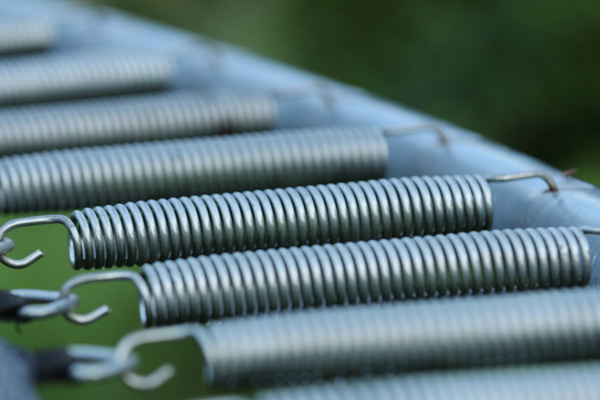
We know that within the elastic limit, the elongation (or contraction) of the spring is proportional to the external force.
2024-05-22
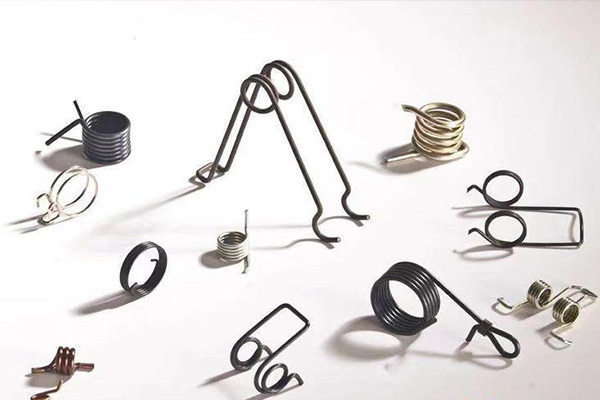
The current pattern of the spring industry
For the spring industry, for a long time, there has been an oversupply of low-grade ordinary springs.
2024-05-22
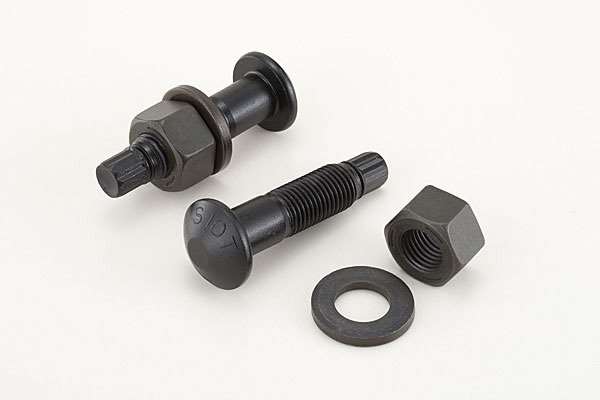
What material is generally used for high-strength bolts?
The upper limit of the tensile strength of the material used in high-strength bolts has a lot to do with the quenching treatment.
2024-05-22


Service E-mail
Service TEL
Address
Handan City, Hebei Province, China
To inquire about our products, please leave your email to us and we will contact you within 24 hours.
