



Understanding the Standards and Regulations for Stainless Steel Pins: A Comprehensive Guide
2025-11-25
Understanding the Standards and Regulations for Stainless Steel Pins
Stainless steel pins are essential components in a wide range of industrial applications. Their durability, resistance to corrosion, and versatility make them preferred choices for fastening and connecting components in machinery and structures. However, to ensure safety, performance, and longevity, these pins must adhere to spec
Understanding the Standards and Regulations for Stainless Steel Pins
Stainless steel pins are essential components in a wide range of industrial applications. Their durability, resistance to corrosion, and versatility make them preferred choices for fastening and connecting components in machinery and structures. However, to ensure safety, performance, and longevity, these pins must adhere to specific standards and regulations. This article will delve deep into the various aspects of stainless steel pins, including their classifications, benefits, manufacturing processes, testing standards, and regulatory requirements.
Table of Contents
- 1. Introduction to Stainless Steel Pins
- 2. Types of Stainless Steel Pins
- 3. Material Standards for Stainless Steel Pins
- 4. Manufacturing Processes of Stainless Steel Pins
- 5. Testing and Quality Control Standards
- 6. Regulatory Compliance for Stainless Steel Pins
- 7. Applications of Stainless Steel Pins
- 8. Frequently Asked Questions
- 9. Conclusion
1. Introduction to Stainless Steel Pins
Stainless steel pins are fasteners made from stainless steel, an alloy known for its excellent corrosion resistance and strength. They are used in various applications, from automotive and aerospace industries to construction and electronics. Understanding the standards and regulations governing these pins is crucial for manufacturers, engineers, and quality assurance professionals.
2. Types of Stainless Steel Pins
There are several types of stainless steel pins, each designed for specific applications. Here are some of the most common types:
2.1. Dowel Pins
Dowel pins are cylindrical rods used for aligning and joining two or more components. They are commonly used in woodworking, assembly, and machinery.
2.2. Cotter Pins
Cotter pins are bent fasteners used to secure other fasteners in place. They are often used in conjunction with clevis pins and other locking mechanisms.
2.3. Roll Pins
Roll pins, also known as spring pins, are hollow cylindrical pins that compress when inserted. They are commonly used in applications requiring a secure and removable fastening method.
2.4. Taper Pins
Taper pins are conical pins used to align and secure two components. Their tapered design allows for easy insertion and removal.
3. Material Standards for Stainless Steel Pins
The quality and performance of stainless steel pins largely depend on the material used. Various standards outline the specifications for stainless steel materials.
3.1. ASTM Standards
The American Society for Testing and Materials (ASTM) provides several standards for stainless steel, including ASTM A276 for stainless steel bars and shapes and ASTM A313 for stainless steel wire. These standards specify the chemical composition, mechanical properties, and manufacturing requirements for stainless steel materials.
3.2. ISO Standards
The International Organization for Standardization (ISO) also establishes standards for stainless steel materials. ISO 3506 focuses on the mechanical properties of stainless steel fasteners, ensuring consistent quality and performance.
4. Manufacturing Processes of Stainless Steel Pins
The manufacturing process of stainless steel pins involves several steps to ensure precision and quality.
4.1. Material Selection
Choosing the right stainless steel grade is crucial for the specific application. Common grades used in manufacturing stainless steel pins include 304, 316, and 410, each offering different levels of corrosion resistance and strength.
4.2. Machining and Forming
Manufacturers use various machining processes, such as turning, milling, and drilling, to produce stainless steel pins. Cold heading is also a popular process, particularly for mass production, where the material is shaped at room temperature.
4.3. Heat Treatment
Heat treatment processes, such as annealing, are often employed to enhance the mechanical properties of stainless steel pins. This process helps relieve internal stresses and improves ductility.
4.4. Surface Treatment
Surface treatments, such as passivation and electroplating, are applied to enhance corrosion resistance and improve the aesthetic appearance of stainless steel pins.
5. Testing and Quality Control Standards
Quality control is vital in the production of stainless steel pins. Several tests and standards ensure that pins meet the required specifications.
5.1. Mechanical Testing
Mechanical testing, including tensile strength, yield strength, and hardness testing, assesses the pin's performance under load. These tests ensure that the pins can withstand the forces they will encounter in real-world applications.
5.2. Corrosion Resistance Testing
Corrosion resistance tests, such as salt spray testing and electrochemical testing, evaluate the pin's resistance to corrosion. These tests simulate harsh environments to ensure the pins perform well over time.
5.3. Dimensional Inspection
Dimensional inspection ensures that stainless steel pins meet the specified tolerances. This includes checking the pin diameter, length, and surface finish to ensure consistency and quality.
6. Regulatory Compliance for Stainless Steel Pins
Manufacturers of stainless steel pins must comply with various regulations and standards to ensure safety and performance.
6.1. ISO Certification
Many manufacturers seek ISO certification to demonstrate their commitment to quality management systems. ISO 9001 is a widely recognized standard that outlines the requirements for an effective quality management system.
6.2. CE Marking
In Europe, products must meet specific safety and environmental standards to obtain CE marking. This certification indicates that the stainless steel pins comply with European legislation.
7. Applications of Stainless Steel Pins
Stainless steel pins are utilized in various industries, showcasing their versatility and durability.
7.1. Automotive Industry
In the automotive industry, stainless steel pins are used in engines, transmissions, and suspension systems due to their strength and resistance to wear.
7.2. Aerospace Industry
Aerospace applications require high-performance materials, making stainless steel pins ideal for structural components and fasteners in aircraft.
7.3. Medical Devices
Stainless steel pins play a crucial role in medical devices, providing reliable fastening solutions in surgical instruments and implants, where hygiene and biocompatibility are paramount.
7.4. Construction Industry
In construction, stainless steel pins are used for anchoring and connecting structural elements, ensuring stability and strength in buildings and infrastructure.
8. Frequently Asked Questions
8.1. What is the primary advantage of using stainless steel pins?
The primary advantage of stainless steel pins is their excellent corrosion resistance, which ensures longevity and reliability in various applications.
8.2. Are all stainless steel pins interchangeable?
No, stainless steel pins are not universally interchangeable due to varying specifications, lengths, and diameters. It's crucial to select the correct pin for specific applications.
8.3. How do I determine the right grade of stainless steel for my application?
The right grade depends on factors such as environmental exposure, load-bearing requirements, and regulatory standards. Consulting with a materials engineer can help guide the decision.
8.4. What testing standards should stainless steel pins meet?
Stainless steel pins should meet relevant ASTM and ISO standards for mechanical properties, corrosion resistance, and dimensional accuracy.
8.5. How often should stainless steel pins be inspected for quality?
Regular inspections should be conducted, especially in high-load or critical applications. It is advisable to follow a maintenance schedule based on industry best practices.
9. Conclusion
Understanding the standards and regulations governing stainless steel pins is essential for ensuring their reliability and performance in various applications. Manufacturers, engineers, and quality assurance professionals must stay informed about material standards, manufacturing processes, testing protocols, and regulatory compliance. By adhering to these guidelines, we can ensure that stainless steel pins meet the necessary requirements for safety and efficiency, ultimately contributing to the success of our projects and the safety of the end users.
Key words:
RELATED INFORMATION
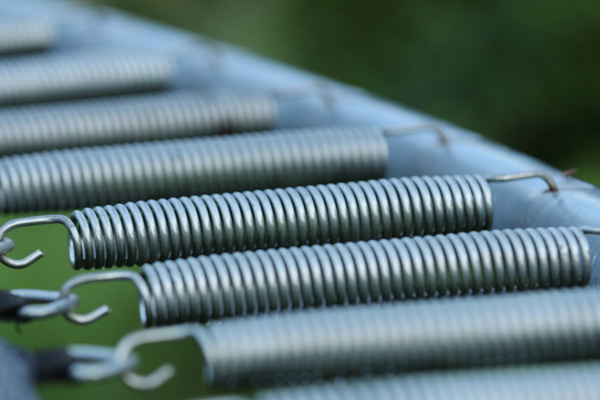
We know that within the elastic limit, the elongation (or contraction) of the spring is proportional to the external force.
2024-05-22
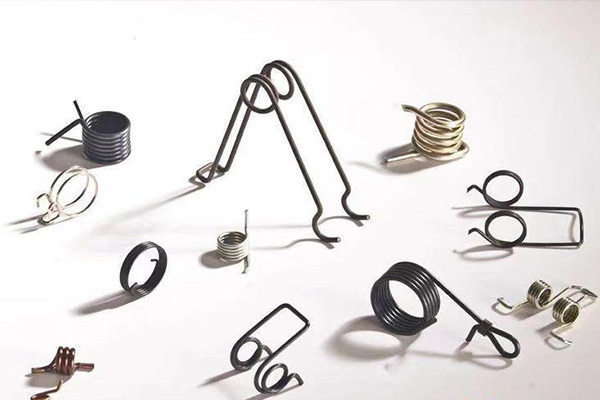
The current pattern of the spring industry
For the spring industry, for a long time, there has been an oversupply of low-grade ordinary springs.
2024-05-22
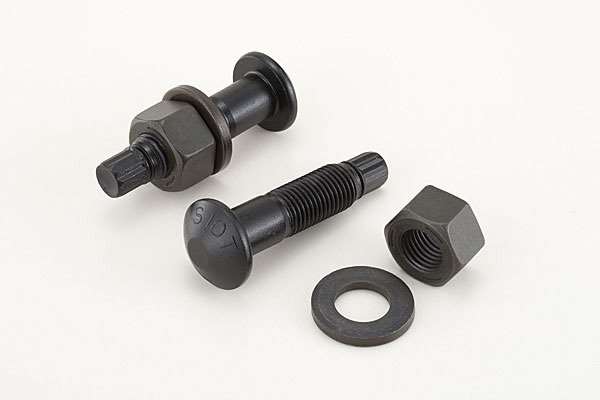
What material is generally used for high-strength bolts?
The upper limit of the tensile strength of the material used in high-strength bolts has a lot to do with the quenching treatment.
2024-05-22


Service E-mail
Service TEL
Address
Handan City, Hebei Province, China
To inquire about our products, please leave your email to us and we will contact you within 24 hours.
