



Understanding Stainless Steel Expansion: Key Insights for Industrial Fasteners
2025-11-20
Stainless steel expansion refers to the phenomenon where stainless steel components undergo dimensional changes due to temperature fluctuations. As temperature increases, the metal expands; conversely, it contracts when temperatures drop. This property is critical for industrial applications, especially in fasteners and connectors, where precision and reliability are paramount.
One of the primary
Stainless steel expansion refers to the phenomenon where stainless steel components undergo dimensional changes due to temperature fluctuations. As temperature increases, the metal expands; conversely, it contracts when temperatures drop. This property is critical for industrial applications, especially in fasteners and connectors, where precision and reliability are paramount.
One of the primary factors to consider is the coefficient of thermal expansion (CTE) of stainless steel, which typically ranges from 16 to 18 x 10^-6/°C. This means that for every degree Celsius increase in temperature, a meter of stainless steel will expand by approximately 16 to 18 micrometers. Understanding this property is essential for engineers and designers, as it affects the fit and performance of assembled components.
In applications where stainless steel fasteners are used, engineers must account for potential expansion when designing joints and assemblies. For instance, if bolts or screws are used to secure materials that may experience significant thermal variation, it is vital to ensure that the fasteners can accommodate these changes without compromising structural integrity. This may involve selecting appropriate joint designs or incorporating flexible materials that can absorb the stress caused by expansion.
Another critical consideration is the environment in which the stainless steel components will operate. Exposure to extreme temperatures can lead to uneven expansion, potentially causing warping or failure in assembly if not properly managed. In high-temperature environments, it may be beneficial to explore fasteners specifically designed to handle thermal stress.
Additionally, the selection of stainless steel grade can influence expansion characteristics. Different grades of stainless steel exhibit varying levels of resistance to heat and corrosion, which can affect their expansion behavior. For example, austenitic stainless steels, known for their excellent corrosion resistance and high tensile strength, may have different expansion properties compared to ferritic or martensitic stainless steels. Thus, understanding the specific grade being used is crucial for anticipating expansion behavior under operational conditions.
In summary, stainless steel expansion is a vital consideration in the design and application of industrial fasteners and connectors. By understanding the thermal expansion characteristics of stainless steel and how they relate to the operational environment, professionals can create more reliable and efficient designs. This knowledge not only enhances the performance of fasteners but also contributes to the longevity and safety of industrial applications. Always remember to factor in thermal dynamics during the selection and application process to ensure optimal results.
One of the primary factors to consider is the coefficient of thermal expansion (CTE) of stainless steel, which typically ranges from 16 to 18 x 10^-6/°C. This means that for every degree Celsius increase in temperature, a meter of stainless steel will expand by approximately 16 to 18 micrometers. Understanding this property is essential for engineers and designers, as it affects the fit and performance of assembled components.
In applications where stainless steel fasteners are used, engineers must account for potential expansion when designing joints and assemblies. For instance, if bolts or screws are used to secure materials that may experience significant thermal variation, it is vital to ensure that the fasteners can accommodate these changes without compromising structural integrity. This may involve selecting appropriate joint designs or incorporating flexible materials that can absorb the stress caused by expansion.
Another critical consideration is the environment in which the stainless steel components will operate. Exposure to extreme temperatures can lead to uneven expansion, potentially causing warping or failure in assembly if not properly managed. In high-temperature environments, it may be beneficial to explore fasteners specifically designed to handle thermal stress.
Additionally, the selection of stainless steel grade can influence expansion characteristics. Different grades of stainless steel exhibit varying levels of resistance to heat and corrosion, which can affect their expansion behavior. For example, austenitic stainless steels, known for their excellent corrosion resistance and high tensile strength, may have different expansion properties compared to ferritic or martensitic stainless steels. Thus, understanding the specific grade being used is crucial for anticipating expansion behavior under operational conditions.
In summary, stainless steel expansion is a vital consideration in the design and application of industrial fasteners and connectors. By understanding the thermal expansion characteristics of stainless steel and how they relate to the operational environment, professionals can create more reliable and efficient designs. This knowledge not only enhances the performance of fasteners but also contributes to the longevity and safety of industrial applications. Always remember to factor in thermal dynamics during the selection and application process to ensure optimal results.
Key words:
RELATED INFORMATION
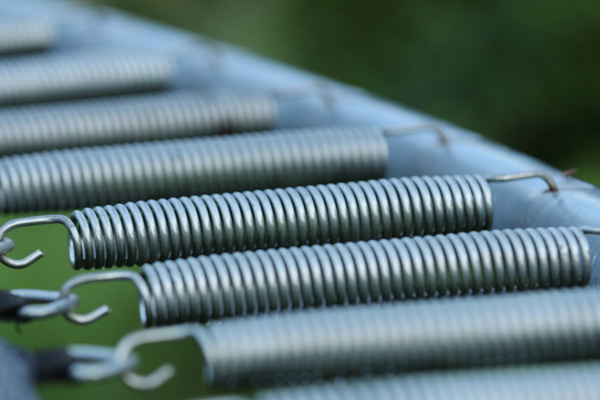
We know that within the elastic limit, the elongation (or contraction) of the spring is proportional to the external force.
2024-05-22
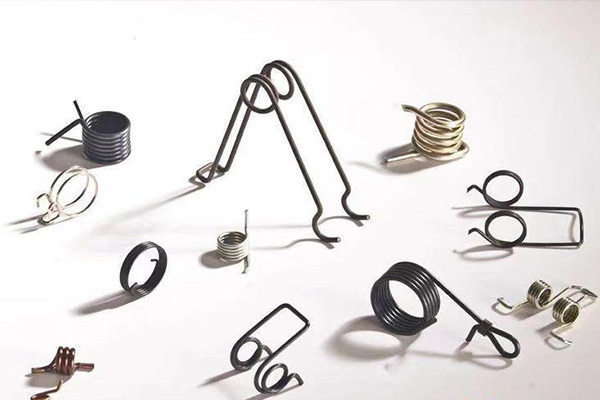
The current pattern of the spring industry
For the spring industry, for a long time, there has been an oversupply of low-grade ordinary springs.
2024-05-22
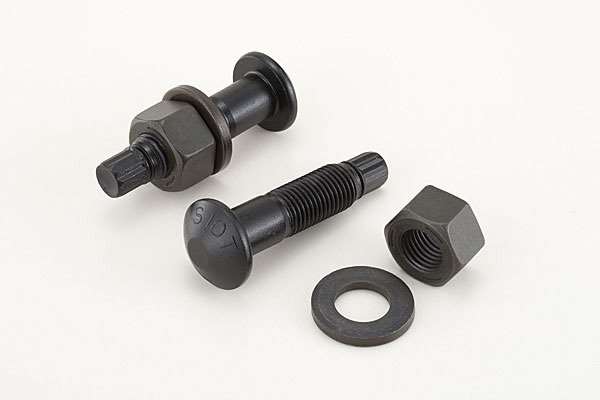
What material is generally used for high-strength bolts?
The upper limit of the tensile strength of the material used in high-strength bolts has a lot to do with the quenching treatment.
2024-05-22


Service E-mail
Service TEL
Address
Handan City, Hebei Province, China
To inquire about our products, please leave your email to us and we will contact you within 24 hours.
