



How to Identify High-Quality Stainless Steel Pins: A Comprehensive Guide
2025-11-13
Understanding the Importance of High-Quality Stainless Steel Pins
When it comes to industrial applications, the choice of materials directly impacts performance, safety, and longevity. **Stainless steel pins** play a crucial role in various fastening and connecting applications, making it essential to identify high-quality options.
What Are Stainless Steel Pins?
Stainless steel pins are cylindrica
Understanding the Importance of High-Quality Stainless Steel Pins
When it comes to industrial applications, the choice of materials directly impacts performance, safety, and longevity. **Stainless steel pins** play a crucial role in various fastening and connecting applications, making it essential to identify high-quality options.
What Are Stainless Steel Pins?
Stainless steel pins are cylindrical fasteners made from stainless steel, commonly used to align or secure components in assemblies. They come in various sizes, shapes, and grades, each designed for specific applications. Understanding the different characteristics of stainless steel pins can help you make informed purchasing decisions.
Common Applications of Stainless Steel Pins
Stainless steel pins are versatile and are commonly found in:
- **Automotive applications**: Used in engines and assemblies.
- **Aerospace**: Critical for safety and reliability in aircraft components.
- **Medical devices**: Ensuring sterility and durability.
- **Construction**: For structural integrity in buildings and bridges.
- **Manufacturing**: Essential in machinery and assembly lines.
Key Characteristics of High-Quality Stainless Steel Pins
Identifying high-quality stainless steel pins involves assessing several key characteristics. Here’s what to look for:
1. Material Composition
Stainless steel is an alloy of iron, chromium, and other elements. The most common grades are:
- **304 Stainless Steel**: Offers good corrosion resistance and is ideal for general use.
- **316 Stainless Steel**: Provides superior protection against corrosion, especially in marine environments.
Ensure the pins you choose meet industry standards for material composition.
2. Surface Finish
The surface finish of stainless steel pins affects not only their appearance but also their performance. Look for:
- **Passivation**: A treatment that enhances corrosion resistance.
- **Polished Finish**: Reduces friction and improves aesthetic appeal.
- **Electropolished**: A process that ensures cleanliness and smoothness.
A high-quality surface finish can significantly extend the life of stainless steel pins in various applications.
3. Dimensional Tolerances
Precision is key when selecting stainless steel pins. High-quality pins adhere to strict dimensional tolerances. Check for:
- **Diameter**: Ensure measurements are accurate to avoid fitting issues.
- **Length**: Confirm the exact length to ensure proper engagement in applications.
Utilizing pins with correct tolerances reduces the risk of failure in critical applications.
4. Hardness and Strength
The hardness and strength of stainless steel pins are crucial for their performance, especially under stress. Use hardness tests, like the Rockwell test, to ensure the pins can withstand operational demands.
5. Corrosion Resistance
The primary advantage of stainless steel is its corrosion resistance. Choose pins that are suitable for the environment in which they will be used. For marine or chemical applications, opt for higher-grade stainless steel, such as 316.
Quality Assurance Processes
When sourcing stainless steel pins, look for manufacturers that adhere to **ISO standards** and have a stringent quality assurance process. Here are some steps they should follow:
1. Raw Material Inspection
Manufacturers should inspect raw materials upon receipt to ensure they meet specified standards. This process includes checking for chemical composition and material integrity.
2. In-Process Inspections
During manufacturing, continuous quality checks should be performed to monitor dimensional accuracy, surface finish, and overall quality.
3. Final Product Testing
After production, high-quality stainless steel pins undergo testing for hardness, tensile strength, and corrosion resistance. Certificates of compliance should accompany products to confirm they meet required specifications.
How to Choose the Right Supplier for Stainless Steel Pins
Choosing the right supplier is critical for obtaining high-quality stainless steel pins. Consider the following:
1. Reputation and Experience
Research suppliers with a solid reputation in the industry. Look for manufacturers with years of experience and positive customer reviews.
2. Certifications and Compliance
Ensure the supplier complies with relevant standards, such as ISO 9001, and holds certifications for their materials and products.
3. Customer Support and Service
A reliable supplier should offer excellent customer service, including support for inquiries, returns, and replacements.
4. Product Range
Choose suppliers who offer a wide range of stainless steel pins in various sizes, grades, and finishes, which can streamline your procurement process.
FAQs About Identifying High-Quality Stainless Steel Pins
1. What is the difference between 304 and 316 stainless steel pins?
304 stainless steel pins are suitable for general applications, while 316 stainless steel pins offer enhanced corrosion resistance, making them ideal for marine environments.
2. How can I test the corrosion resistance of stainless steel pins?
You can perform a salt spray test or refer to manufacturer specifications that indicate the grade and treatment of the stainless steel.
3. What are the signs of poor-quality stainless steel pins?
Signs of poor-quality pins include visible rust, inconsistent dimensions, and a rough surface finish.
4. Can I use stainless steel pins in high-temperature environments?
Yes, but it is essential to select pins specifically designed for high-temperature applications and verify their specifications with the manufacturer.
5. How do I determine the right size of stainless steel pins for my project?
Measure the components you intend to fasten and refer to manufacturer charts to find the appropriate size and length for your application.
Conclusion
Identifying high-quality stainless steel pins is essential for ensuring the integrity and longevity of your industrial applications. By considering material composition, surface finish, dimensional tolerances, and supplier reputation, you can make informed decisions that enhance the performance of your projects. With this comprehensive guide, you are now equipped to select the best stainless steel pins, ensuring that they meet the specific requirements of your applications. Choose wisely, and your projects will benefit from the durability and reliability that high-quality fasteners provide.
Key words:
RELATED INFORMATION
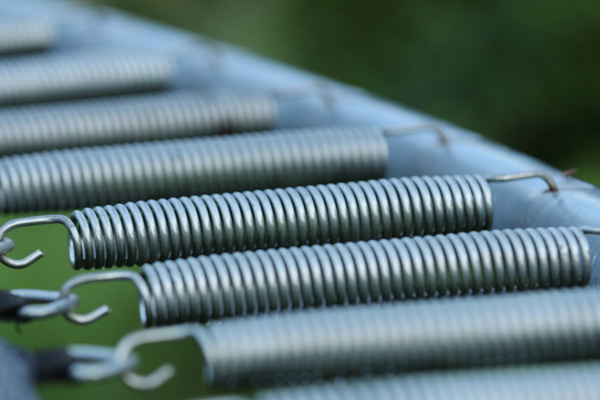
We know that within the elastic limit, the elongation (or contraction) of the spring is proportional to the external force.
2024-05-22
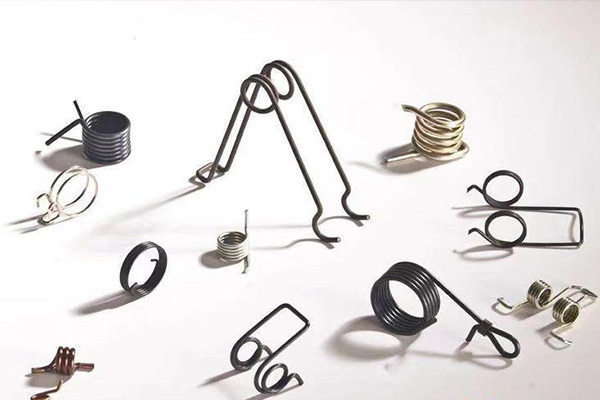
The current pattern of the spring industry
For the spring industry, for a long time, there has been an oversupply of low-grade ordinary springs.
2024-05-22
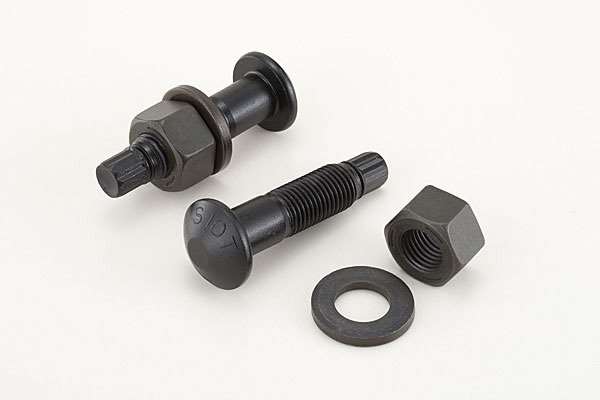
What material is generally used for high-strength bolts?
The upper limit of the tensile strength of the material used in high-strength bolts has a lot to do with the quenching treatment.
2024-05-22


Service E-mail
Service TEL
Address
Handan City, Hebei Province, China
To inquire about our products, please leave your email to us and we will contact you within 24 hours.
