



Future-Proofing Your Projects with Advanced Embedded Parts Technology
2025-11-11
Future-Proofing Your Projects with Advanced Embedded Parts Technology
Table of Contents
Introduction to Embedded Parts Technology
The Importance of Future-Proofing Your Projects
Understanding Advanced Embedded Parts Technology
Key Applications of Embedded Parts in Industries
Design Strategies for Effective Integration
Material Considerations for Embedded Components
Benefits of Advan
Future-Proofing Your Projects with Advanced Embedded Parts Technology
Table of Contents
- Introduction to Embedded Parts Technology
- The Importance of Future-Proofing Your Projects
- Understanding Advanced Embedded Parts Technology
- Key Applications of Embedded Parts in Industries
- Design Strategies for Effective Integration
- Material Considerations for Embedded Components
- Benefits of Advanced Embedded Parts Technology
- Challenges and Solutions in Implementation
- Future Trends in Embedded Parts Technology
- Conclusion
- FAQs
Introduction to Embedded Parts Technology
The landscape of industrial supply chains is rapidly evolving, driven by the need for increased efficiency, reduced costs, and heightened performance. **Embedded parts technology** has emerged as a transformative force within this paradigm. This technology involves integrating components directly into the product design, enhancing functionality while minimizing space and weight. This article delves into how this innovation can **future-proof your projects**, ensuring they remain relevant and competitive in an ever-changing market.
The Importance of Future-Proofing Your Projects
In today’s fast-paced industrial environment, **future-proofing** is not merely a competitive advantage but a necessity. Projects that are adaptable and resilient face less risk of obsolescence. By embracing advanced embedded parts technology, organizations can assure that their products accommodate ongoing advancements and shifting market needs. The importance of this methodology can be highlighted through several key aspects:
Adaptability to Market Changes
Industries are experiencing rapid technological advancements. Future-proofing ensures that your projects can seamlessly incorporate new technologies as they emerge, thus maintaining market relevance.
Enhancing Product Lifespan
By utilizing advanced embedded parts, products can be designed for longevity, reducing the frequency of upgrades and replacements, which translates to cost savings and reduced waste.
Improved Performance
Embedded parts can optimize product performance significantly, allowing for enhanced functionality without the bulk of traditional components.
Understanding Advanced Embedded Parts Technology
Advanced embedded parts technology encompasses a variety of components and methods that are designed to enhance the integration of systems. This section will explore the key features and functions of **embedded parts**, along with the types of technologies involved.
Types of Embedded Parts
1. **Sensors**: These are critical for monitoring and gathering data, enabling real-time adjustments and efficiencies.
2. **Microcontrollers**: Essential for executing specific tasks and functions within embedded systems, these components facilitate automated processes.
3. **Communication Modules**: These ensure connectivity between devices, enhancing interoperability and data sharing.
4. **Power Management Systems**: These components optimize energy consumption, significantly improving sustainability.
Functionality and Integration
The integration of embedded parts is crucial for creating smart and efficient systems. The functionality of these components can be enhanced through the use of advanced software algorithms, contributing to improved accuracy and performance.
Key Applications of Embedded Parts in Industries
Embedded parts technology is revolutionizing various sectors, providing innovative solutions tailored for contemporary challenges. Below are several critical applications spanning multiple industries.
Manufacturing
In manufacturing, embedded technology streamlines operations. Real-time monitoring and automated processes enhance productivity while reducing downtime.
Automotive
In the automotive sector, advanced embedded systems allow for features like advanced driver-assistance systems (ADAS), contributing to improved safety and efficiency.
Healthcare
Embedded components in medical devices facilitate patient monitoring, data analysis, and overall patient care, thus enhancing the effectiveness of treatments and diagnostics.
Consumer Electronics
In consumer electronics, the integration of advanced embedded technology enables smarter devices that adapt to user preferences, enhancing usability and satisfaction.
Design Strategies for Effective Integration
Integrating advanced embedded parts into your projects requires meticulous planning and a strategic approach. Here are several essential design strategies:
Modular Design
Employing a modular design allows for easier upgrades and replacements. This strategy means that components can be modified without overhauling the entire system, simplifying future enhancements.
Collaboration between Teams
Cross-functional collaboration between design and engineering teams ensures that all aspects of embedded technology are considered during the design phase, leading to more cohesive and effective solutions.
Prototyping and Testing
Developing prototypes allows for testing various configurations and functionalities. This iterative process helps identify potential pitfalls and refine the design before full-scale implementation.
Material Considerations for Embedded Components
The choice of materials for embedded components is crucial. They must be durable, lightweight, and compatible with the intended application. Here are key considerations:
Thermal Properties
Select materials with appropriate thermal properties to ensure stability and performance under varying temperatures.
Mechanical Strength
Materials must possess sufficient mechanical strength to withstand operational stresses and environmental conditions.
Compatibility with Electronics
Ensure that materials are compatible with electronic components to prevent interference and ensure optimal performance.
Benefits of Advanced Embedded Parts Technology
Embracing advanced embedded parts technology offers numerous benefits, making it an attractive choice for modern industrial projects.
Cost Efficiency
By reducing the number of components needed, organizations can lower production costs and improve overall profit margins.
Increased Efficiency
Embedded technology enables systems to operate more efficiently, resulting in better energy consumption and resource utilization.
Enhanced User Experience
Products that utilize embedded technology often provide a more intuitive and user-friendly experience, leading to higher customer satisfaction levels.
Challenges and Solutions in Implementation
While the advantages of advanced embedded parts technology are significant, challenges in implementation should not be overlooked.
Complexity of Design
The complexity of integrating multiple embedded components can be daunting. Investing in collaboration tools and skilled labor can mitigate this challenge.
Cost of Development
Initial development costs can be high. However, long-term savings and enhanced product performance often justify this expense.
Keeping Up with Technology
Technology evolves rapidly, making it essential for organizations to stay informed on the latest advancements. Continuous training and development can foster a culture of innovation.
Future Trends in Embedded Parts Technology
The future of embedded parts technology is promising, with several trends predicted to shape its evolution:
Increased Automation
The trend toward automation will drive further advancements in embedded systems, paving the way for smarter and more efficient manufacturing processes.
Integration of AI
Artificial intelligence will play a vital role in enhancing the capabilities of embedded systems, enabling predictive analytics and smarter decision-making.
Sustainability Focus
The push for sustainability will lead to the development of eco-friendly materials and processes, aligning with global efforts to reduce environmental impact.
Conclusion
The integration of advanced embedded parts technology is no longer an option but a necessity for organizations aiming to remain competitive in an evolving marketplace. By adopting this technology, businesses can ensure their projects are resilient, efficient, and future-ready. The numerous benefits, from cost efficiency to enhanced user experiences, make it a strategic investment for industries looking to innovate. As technology continues to advance, staying informed and adaptable will be crucial in harnessing the full potential of embedded components.
FAQs
What are embedded parts?
Embedded parts are components integrated directly into a product's design, enhancing functionality while minimizing size and weight.
How do advanced embedded parts improve product performance?
They optimize the product's design, functionality, and efficiency, leading to better overall performance and user satisfaction.
What industries benefit the most from embedded technology?
Manufacturing, automotive, healthcare, and consumer electronics are among the industries that significantly benefit from embedded technology.
What design strategies are crucial for effective embedded parts integration?
Modular design, cross-team collaboration, and prototyping are essential strategies for effective integration.
What challenges are faced when implementing embedded technology?
Challenges include design complexity, high initial development costs, and the need to stay abreast of rapid technological advancements.
Key words:
RELATED INFORMATION
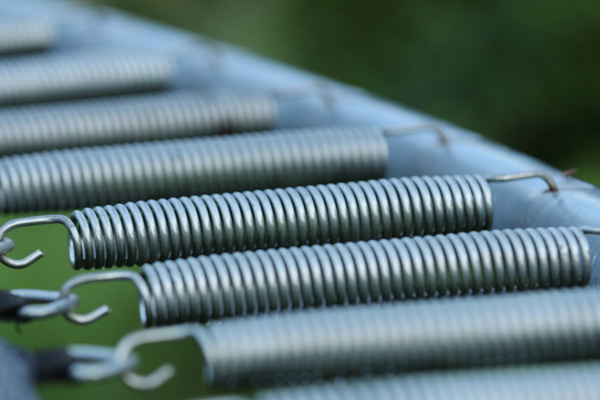
We know that within the elastic limit, the elongation (or contraction) of the spring is proportional to the external force.
2024-05-22
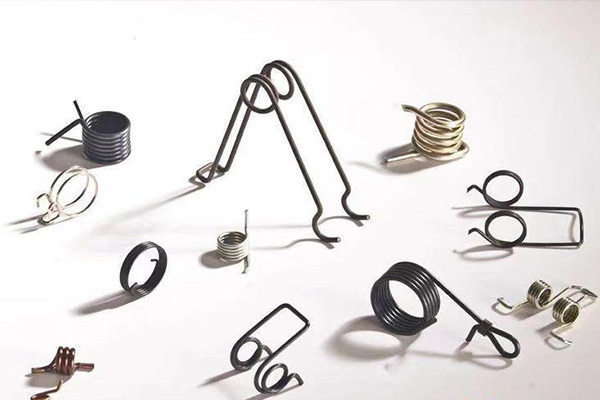
The current pattern of the spring industry
For the spring industry, for a long time, there has been an oversupply of low-grade ordinary springs.
2024-05-22
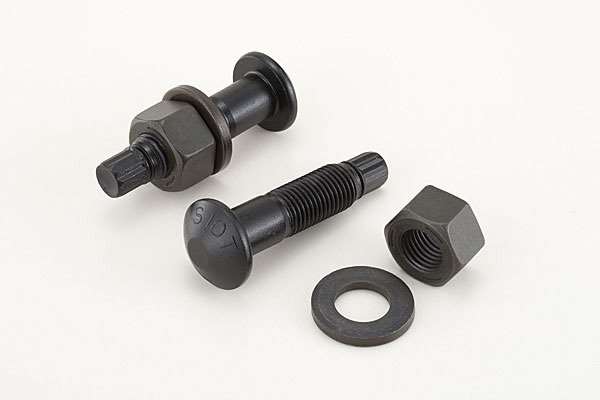
What material is generally used for high-strength bolts?
The upper limit of the tensile strength of the material used in high-strength bolts has a lot to do with the quenching treatment.
2024-05-22


Service E-mail
Service TEL
Address
Handan City, Hebei Province, China
To inquire about our products, please leave your email to us and we will contact you within 24 hours.
