



Comparative Analysis: Embedded Parts vs. Traditional Fastening Solutions
2025-10-30
Comparative Analysis: Embedded Parts vs. Traditional Fastening Solutions
Table of Contents
Introduction to Fastening Solutions
Understanding Embedded Parts
Understanding Traditional Fasteners
Advantages of Embedded Parts
Advantages of Traditional Fasteners
Limitations of Embedded Parts
Limitations of Traditional Fasteners
Application Comparison
Future Trends in
Comparative Analysis: Embedded Parts vs. Traditional Fastening Solutions
Table of Contents
- Introduction to Fastening Solutions
- Understanding Embedded Parts
- Understanding Traditional Fasteners
- Advantages of Embedded Parts
- Advantages of Traditional Fasteners
- Limitations of Embedded Parts
- Limitations of Traditional Fasteners
- Application Comparison
- Future Trends in Fastening Solutions
- Frequently Asked Questions
- Conclusion
Introduction to Fastening Solutions
In the realm of industrial equipment and components, fastening solutions play a pivotal role in ensuring structural integrity and seamless functionality. Engineers and manufacturers continuously seek innovative ways to enhance the efficiency and reliability of their products. Two prominent fastening methods are **embedded parts** and **traditional fasteners**. Each has its unique set of characteristics, advantages, and applications that can significantly affect the performance of different assemblies.
This article provides a detailed comparative analysis of embedded parts versus traditional fastening solutions. By exploring the intricacies of both methods, we aim to equip you with the knowledge necessary to select the best option for your specific needs.
Understanding Embedded Parts
Embedded parts, often referred to as **integrated fasteners**, are components that are incorporated directly into the material of the assembly during manufacturing. These parts can take various forms, including **nuts, anchors, and specialized inserts** that are embedded within composite or plastic materials.
How Embedded Parts Work
The installation of embedded parts typically occurs during the production process, where the fastener is placed into a mold and the material is then formed around it. This creates a strong bond and an efficient fastening solution that enhances the overall structural integrity of the component. The embedded nature of these fasteners allows for a more compact design, which can reduce weight and improve aesthetics.
Common Applications of Embedded Parts
Embedded parts find their use in various industries, including aerospace, automotive, and electronics. For instance, they are commonly used in plastic housings for electronic devices, where the need for compactness and strength is paramount. Additionally, embedded fasteners facilitate the automation of assembly processes, leading to increased productivity.
Understanding Traditional Fasteners
Traditional fasteners, such as bolts, screws, rivets, and nuts, are external components used to join two or more parts together. They are designed to be inserted into pre-drilled holes and secured using tools.
How Traditional Fasteners Work
The typical installation process for traditional fasteners involves aligning the components to be joined and then using the appropriate tool—like a wrench or screwdriver—to tighten the fastener. This method allows for the ability to disassemble and reassemble components easily, which is particularly useful for maintenance and repairs.
Common Applications of Traditional Fasteners
Traditional fasteners are ubiquitous across many sectors, including construction, machinery, and consumer products. They are favored in applications where ease of assembly and disassembly is essential, such as in the assembly of furniture or in automotive manufacturing.
Advantages of Embedded Parts
Embedded parts offer numerous advantages that can make them a superior choice in certain applications:
1. Enhanced Aesthetics
The seamless integration of embedded parts allows for cleaner designs, eliminating visible fasteners that can detract from the visual appeal of a product.
2. Improved Structural Integrity
By distributing stress across the material, embedded parts can enhance the overall strength of the assembly, reducing the likelihood of failure under load.
3. Weight Reduction
Embedded fasteners often allow for more compact designs, which can significantly reduce the weight of the final product—an essential factor in industries like aerospace.
4. Automation Compatibility
The ability to integrate fasteners during the manufacturing process lends itself well to automation, enabling quicker production cycles and lowering labor costs.
Advantages of Traditional Fasteners
Traditional fasteners also come with their own set of advantages:
1. Easy Assembly and Disassembly
Traditional fasteners allow for straightforward assembly and disassembly, making repairs and adjustments simpler and more efficient.
2. Versatility
With a wide variety of options available, traditional fasteners can be used in numerous applications across different industries.
3. Proven Technology
Traditional fastening methods have stood the test of time, providing reliability and performance that many engineers and manufacturers trust.
4. Cost-Effectiveness
Traditional fasteners are often less expensive compared to embedded solutions, which can be a critical factor in budget-sensitive projects.
Limitations of Embedded Parts
Despite their advantages, embedded parts are not without limitations:
1. Higher Initial Costs
The manufacturing processes required for embedded fasteners can be more expensive, leading to higher initial costs for projects.
2. Difficult Repairs
Once components with embedded fasteners are assembled, disassembly for repairs can be challenging and often requires specialized tools or techniques.
3. Limited Flexibility
Embedded fasteners can limit design alterations post-manufacturing, as modifications to the assembly may require complete redesign.
Limitations of Traditional Fasteners
Traditional fasteners also come with their own challenges:
1. Aesthetic Concerns
Visible fasteners can detract from the overall design and aesthetics of a product, which may be unacceptable in consumer-facing applications.
2. Stress Concentration
Traditional fasteners can create stress concentration points, potentially leading to premature failure if not appropriately designed.
3. Increased Weight
In some cases, traditional fasteners can add unnecessary weight to the assembly, which can be a drawback in industries where weight reduction is critical.
Application Comparison
When considering embedded parts versus traditional fasteners, the choice often depends on the specific application and requirements of the project.
1. Aerospace Applications
In aerospace manufacturing, every gram counts. Therefore, embedded parts are often preferred due to their weight-saving capabilities and enhanced structural integrity.
2. Automotive Industry
The automotive sector sees both embedded fasteners in plastic components and traditional fasteners in metal assemblies. The choice depends on the design and the need for maintenance.
3. Electronics Manufacturing
Embedded parts are common in electronics due to their space-saving features and ability to streamline production processes.
Future Trends in Fastening Solutions
The fastening solutions landscape is continuously evolving, driven by advancements in materials science and manufacturing technology.
1. Growth in Composite Materials
As industries increasingly adopt composite materials for their strength-to-weight ratios, the integration of embedded fasteners will likely rise.
2. Automation and Smart Fasteners
Future fastening solutions may incorporate smart technology, allowing for real-time monitoring of assembly integrity and performance.
Frequently Asked Questions
1. What are embedded parts?
Embedded parts are fasteners integrated directly into the material of the assembly during manufacturing, enhancing structural integrity.
2. What are traditional fasteners?
Traditional fasteners are external components like bolts and screws used to join parts together, allowing for easy assembly and disassembly.
3. Are embedded parts more expensive than traditional fasteners?
Typically, embedded parts have higher initial manufacturing costs due to the processes involved.
4. Can embedded parts be repaired easily?
Repairing assemblies with embedded parts can be challenging and might require specialized techniques.
5. Which fastening solution is better for aerospace applications?
Embedded parts are often preferred in aerospace due to their weight-saving capabilities and enhanced structural integrity.
Conclusion
In the comparative analysis of embedded parts versus traditional fastening solutions, it is evident that both methods have distinct advantages and limitations that cater to different industrial needs. Embedded parts excel in applications demanding compact design and structural integrity, while traditional fasteners provide ease of assembly and versatility.
Ultimately, the choice between these fastening solutions should be made based on the specific requirements of the project, considering factors such as cost, assembly processes, and the desired aesthetics. As industries continue to evolve, so too will the technologies and methods employed in fastening, leading to exciting developments in the future.
Key words:
RELATED INFORMATION
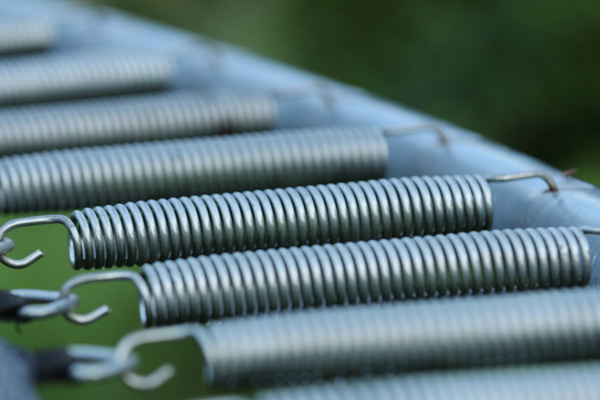
We know that within the elastic limit, the elongation (or contraction) of the spring is proportional to the external force.
2024-05-22
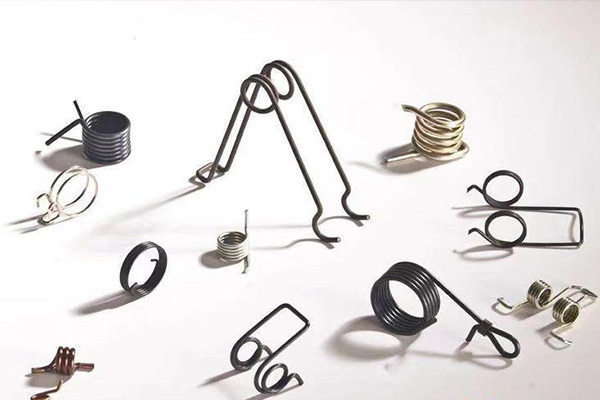
The current pattern of the spring industry
For the spring industry, for a long time, there has been an oversupply of low-grade ordinary springs.
2024-05-22
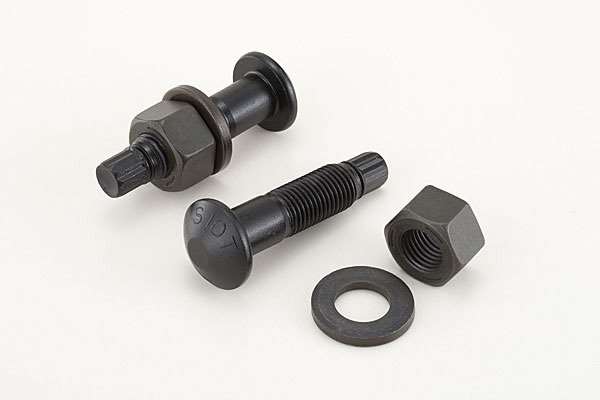
What material is generally used for high-strength bolts?
The upper limit of the tensile strength of the material used in high-strength bolts has a lot to do with the quenching treatment.
2024-05-22


Service E-mail
Service TEL
Address
Handan City, Hebei Province, China
To inquire about our products, please leave your email to us and we will contact you within 24 hours.
