



The Essential Guide to Stainless Steel Drill Tail Wire: Applications and Advantages
2025-10-25
Stainless steel drill tail wire is a specialized type of wire used extensively in various industrial applications, particularly in the realm of fasteners and connectors. Its unique properties make it a preferred choice for many professionals in the industry. The use of stainless steel offers significant advantages, including high resistance to corrosion, durability, and exceptional strength, makin
Stainless steel drill tail wire is a specialized type of wire used extensively in various industrial applications, particularly in the realm of fasteners and connectors. Its unique properties make it a preferred choice for many professionals in the industry. The use of stainless steel offers significant advantages, including high resistance to corrosion, durability, and exceptional strength, making it ideal for both indoor and outdoor applications.
One of the primary features of stainless steel drill tail wire is its robustness. The wire is typically manufactured from high-grade stainless steel, which enhances its strength and longevity. This is particularly important in applications where the wire is subjected to high tension or adverse environmental conditions. The use of stainless steel helps ensure that the wire maintains its integrity over time, reducing the likelihood of failure and minimizing maintenance costs.
In terms of applications, stainless steel drill tail wire is widely used in the construction and manufacturing industries. It serves various functions, such as securing materials, supporting structures, and facilitating connections between components. Many professionals utilize this wire in projects that require precision and reliability, such as in the assembly of machinery, automotive parts, and structural supports.
Another significant advantage of stainless steel drill tail wire is its resistance to rust and corrosion. This is particularly crucial for applications exposed to moisture or chemicals, where traditional metal wires may degrade quickly. The ability of stainless steel to withstand these harsh conditions extends the lifespan of the wire, making it a cost-effective choice in the long run.
When selecting stainless steel drill tail wire, it is important to consider the gauge, tensile strength, and specific requirements of your project. Different gauges of wire are suited to different applications, and understanding these specifications can help you choose the right material for your needs.
Moreover, the manufacturing process of stainless steel drill tail wire often includes techniques that enhance its flexibility and workability. This allows for easier installation and manipulation during assembly, which can be especially advantageous in complex projects.
In conclusion, stainless steel drill tail wire is an invaluable component in the industrial sector, offering a combination of strength, durability, and resistance to corrosion. Its versatility makes it suitable for a multitude of applications, ensuring that professionals can rely on it for robust and long-lasting solutions. By understanding the features and benefits of stainless steel drill tail wire, you can make informed decisions for your projects and enhance overall operational efficiency.
One of the primary features of stainless steel drill tail wire is its robustness. The wire is typically manufactured from high-grade stainless steel, which enhances its strength and longevity. This is particularly important in applications where the wire is subjected to high tension or adverse environmental conditions. The use of stainless steel helps ensure that the wire maintains its integrity over time, reducing the likelihood of failure and minimizing maintenance costs.
In terms of applications, stainless steel drill tail wire is widely used in the construction and manufacturing industries. It serves various functions, such as securing materials, supporting structures, and facilitating connections between components. Many professionals utilize this wire in projects that require precision and reliability, such as in the assembly of machinery, automotive parts, and structural supports.
Another significant advantage of stainless steel drill tail wire is its resistance to rust and corrosion. This is particularly crucial for applications exposed to moisture or chemicals, where traditional metal wires may degrade quickly. The ability of stainless steel to withstand these harsh conditions extends the lifespan of the wire, making it a cost-effective choice in the long run.
When selecting stainless steel drill tail wire, it is important to consider the gauge, tensile strength, and specific requirements of your project. Different gauges of wire are suited to different applications, and understanding these specifications can help you choose the right material for your needs.
Moreover, the manufacturing process of stainless steel drill tail wire often includes techniques that enhance its flexibility and workability. This allows for easier installation and manipulation during assembly, which can be especially advantageous in complex projects.
In conclusion, stainless steel drill tail wire is an invaluable component in the industrial sector, offering a combination of strength, durability, and resistance to corrosion. Its versatility makes it suitable for a multitude of applications, ensuring that professionals can rely on it for robust and long-lasting solutions. By understanding the features and benefits of stainless steel drill tail wire, you can make informed decisions for your projects and enhance overall operational efficiency.
Key words:
RELATED INFORMATION
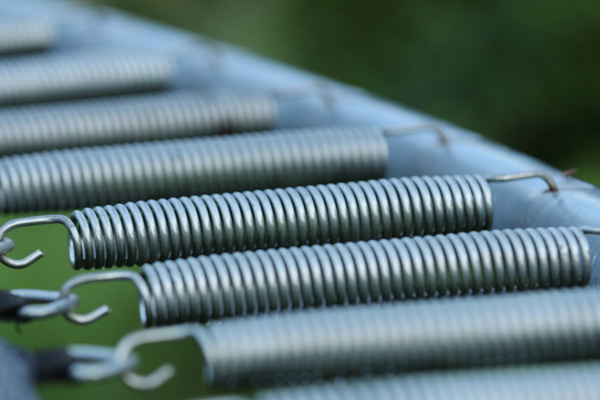
We know that within the elastic limit, the elongation (or contraction) of the spring is proportional to the external force.
2024-05-22
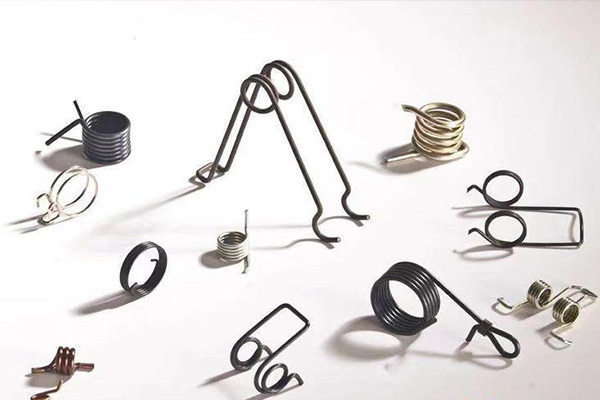
The current pattern of the spring industry
For the spring industry, for a long time, there has been an oversupply of low-grade ordinary springs.
2024-05-22
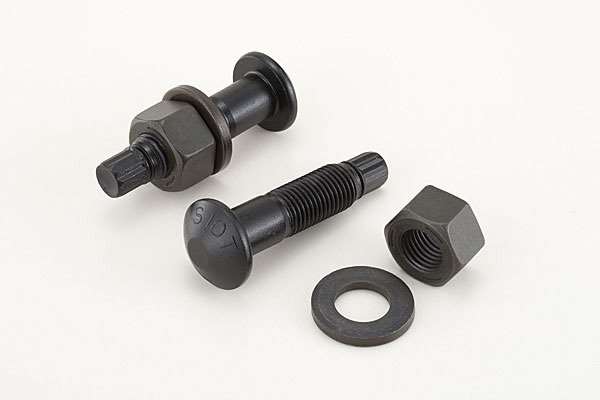
What material is generally used for high-strength bolts?
The upper limit of the tensile strength of the material used in high-strength bolts has a lot to do with the quenching treatment.
2024-05-22


Service E-mail
Service TEL
Address
Handan City, Hebei Province, China
To inquire about our products, please leave your email to us and we will contact you within 24 hours.
